
Confluence, Lyon: What to See and Do in the City's Modern Southern District
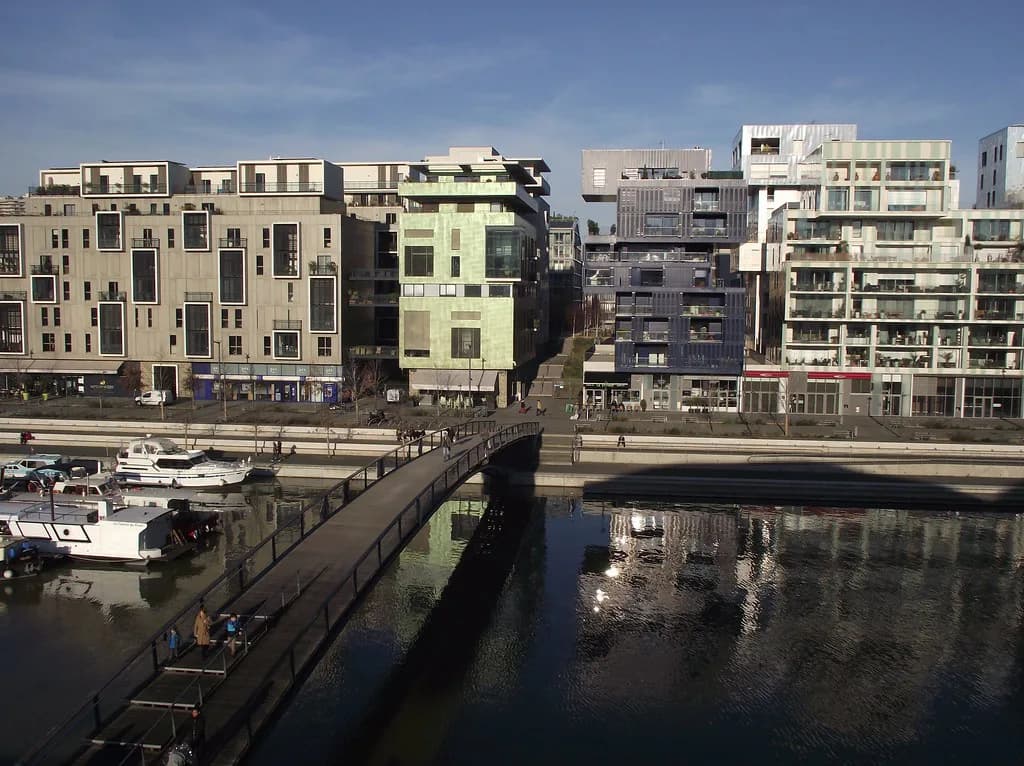
Confluence is the modern district at the southern tip of the Presqu'île, the wedge of land between the Rhône and the Saône, built out where the two rivers meet. It is the one part of central Lyon that looks new rather than Renaissance or 19th-century, with futuristic buildings, housing, offices, shops and plenty of green space and gardens.
Treat it as a district choice, not a stand-in for Lyon as a whole: you come here for contemporary architecture, riverside walking and the Musée des Confluences, not for traboules or bouchons. For a first weekend, one afternoon is usually enough; base yourself elsewhere and ride or walk down.
What Confluence is and where it sits
The district occupies the bottom of the Presqu'île, the peninsula that runs south from Place Bellecour between the two rivers. Where the land narrows to a point, the Rhône and Saône finally join, and the redevelopment spreads across that tip in the 2nd arrondissement.
Lyon Confluence is the name given to the urban project that reshaped this end of the city, and it now mixes shops, housing and offices with parks and gardens rather than presenting a single sight. Because the quarter is spread out and largely open-air, plan it as a walk with one indoor anchor rather than a checklist of ticketed attractions.
For orientation, think of the district as the southern bookend to the central sights: the historic core and the hill quarters sit north and west, and Confluence sits downstream at the confluence itself. That position makes it a natural final stop on a walk that follows the quays south.
The setting: where the Rhône and Saône meet
The meeting of the two rivers is the reason the district exists and the best way to understand its layout. The Saône runs along the western side of the Presqu'île and the Rhône along the eastern side, and the land between them tapers to the confluence point at the southern tip.
In practice this gives you two riverside approaches, one from each bank, and a compact tip where they converge. Walking down one side and back up the other makes a coherent loop, and it puts the district's newer buildings against a constant water backdrop instead of a street grid.
What to see: architecture, green spaces and the riverside
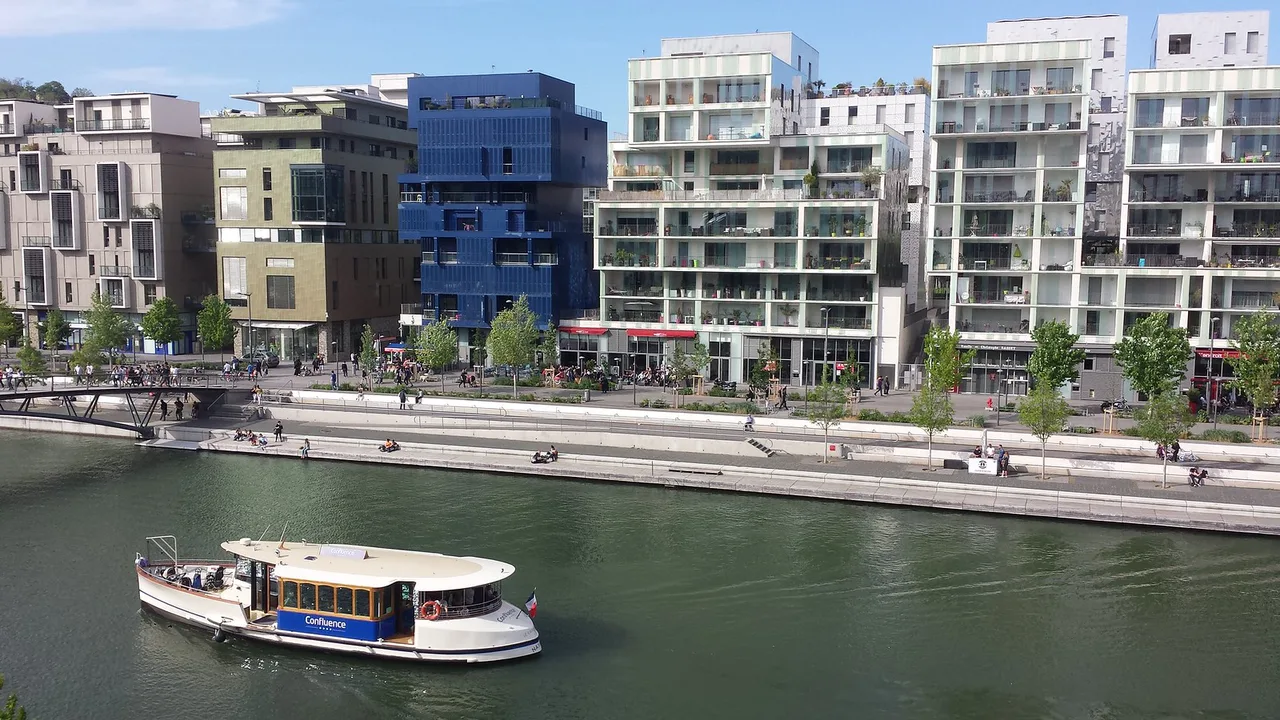
The draw here is contemporary design at city scale: futuristic buildings set among shops, housing, offices, parks and gardens. It is a district to look at and walk through rather than a cluster of monuments, so give yourself time on foot and let the architecture and the open space do the work.
The riverside setting is the other half of the appeal. Because the quarter sits at the tip of the Presqu'île where the Rhône and Saône meet, the water is never far away, and the green spaces give you somewhere to sit between sights.
If you want the contrast, do Confluence on the same trip as the older quarters: the traboules and steep streets of Croix-Rousse, or the Renaissance lanes and churches of Vieux Lyon. Seeing both makes clear what the city gained at its southern edge and what it kept upstream. If you are weighing another old-quarter stop for the trip, our guide to things to do in Dijon covers a comparable historic core with museums and markets.
The Musée des Confluences
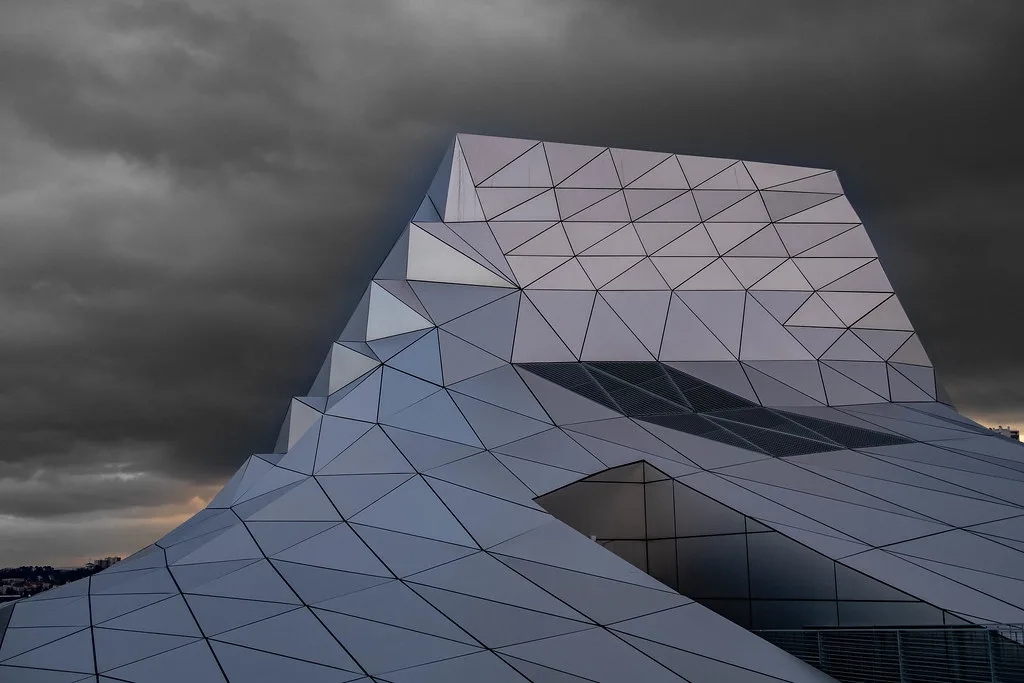
The Musée des Confluences is the district's headline building, the one indoor stop that justifies the trip south on a wet or cold day. It anchors the redeveloped tip of the Presqu'île, so build your walk around it rather than treating it as an afterthought.
Check the museum's own site for current admission prices and opening days before you go, since those change with exhibitions and season. Booking a timed slot online is the sensible move at busy periods, when walk-up places are the first to go.
Allow the museum a couple of hours and keep the rest of the visit outdoors, because the surrounding streets and quays are the point of the district. Pairing a long museum session with a slow riverside walk gives you a balanced half-day rather than an indoor marathon.
Getting there and getting around
TCL, the city transport network, runs four metro lines plus trams, and two funiculars climb to Fourvière; tickets work across the network. Tap a contactless card at the gate or buy through the TCL app, and ride down to the Confluence stop rather than walking the full length of the Presqu'île from Bellecour.
The funicular is classed as part of the metro system, so an all-day metro card covers it; a single one-way funicular ticket costs €1.90. If you are starting a single metro ride, the funicular can be folded into that same ticket, which makes a hill-and-river day cheap to string together.
Once you are in the district, walking is the way to see it: the streets, quays and gardens are laid out for pedestrians and cyclists rather than drivers. Coming on foot from the north also lets you approach along the river, which shows you the geography better than arriving by metro and surfacing at the museum.
Where to eat and drink in Confluence
Confluence is not the eating heart of Lyon, and the bouchons and celebrated kitchens that define the city's food reputation sit in the centre and the older quarters. Plan a proper Lyonnais meal before or after your visit rather than expecting the district to deliver it.
Many Lyon restaurants, shops and cafés close on Sunday and/or Monday, so check a place's own website before you build a day around it. That single habit saves more disappointment in Lyon than any other piece of planning.
For a market-and-produce fix, Les Halles de Lyon – Paul Bocuse, the covered food market named after the city's most famous chef, is the classic stop, with around 40 traders and stalls that keep different hours. Go mid to late morning, when most are open and some have yet to shut for lunch.
Where to stay in Confluence
Confluence is not the obvious base for a short break. If your priority is walking to the main sights, the Presqu'île puts you between the two rivers within reach of Place Bellecour, while Confluence leaves you at the southern tip with a ride or a long walk to everything else.
The trade-off is space and quiet: the district was planned with housing, green space and gardens, so it suits travellers who value a modern, less crowded setting over old-town atmosphere. Staying here makes most sense if you have already seen central Lyon and want a different side of it.
Weigh the walking you would give up. Basing yourself in the centre and riding down for an afternoon costs one short trip each way, while basing yourself in Confluence adds that trip to every day of the weekend.
Who Confluence suits and who should skip it
Come here if you like contemporary architecture, riverside space, museums and a district that feels planned rather than layered. It suits repeat visitors to Lyon, design-minded travellers and anyone who has already done the old town and wants the city's newer face.
Skip it, or keep it to a couple of hours, if this is your first weekend and your list is traboules, bouchons, Fourvière and Vieux Lyon. Those sit in the historic quarters, and Confluence gives you none of that atmosphere; it is a complement to the classic Lyon visit, not a substitute.
How long to allow and when to go
Half a day covers the district comfortably: a couple of hours in the Musée des Confluences and the rest on foot along the quays and through the gardens. Add a meal nearby and you have a full, unhurried afternoon without needing to rush back.
On timing, Lyon's mildest months are May and September, averaging roughly 19°C and 20°C, while June and July are the busiest and priciest, so book three to four months ahead for those. October is the value window, averaging around 13°C with lighter crowds.
These are climate averages rather than forecasts, so pack a layer either way. Confluence is largely an outdoor district, which means rain or a cold snap pushes you inside the museum and shortens the walk.
Practical notes: Sunday and Monday closures
The biggest practical trap in Lyon is the weekly shutdown: many restaurants, shops and cafés close on Sunday and/or Monday, and the same caution applies to anywhere you plan to eat around Confluence. Build your day around what is actually open instead of assuming a full choice.
Some Lyon restaurants shut on Saturdays and Sundays too, so a weekend trip needs a little forethought rather than improvisation. Book the places you care about ahead, and keep one flexible meal in reserve for the day your first choice is dark.
Shops in France often stay closed on Sunday, so treat browsing as a bonus rather than a plan if your visit falls at the weekend. The outdoor district itself, the quays and the riverside remain the reliable part of the day.
Plan Your Visit
Use Confluence as a half-day counterweight to old Lyon: ride the metro down, spend a couple of hours in the Musée des Confluences and walk the tip of the Presqu'île where the rivers meet. Check the museum's own site for current times and prices before you set out.
If you have more time in the city, the older quarters repay it more: Croix-Rousse for the traboules and silk workers' slopes, Vieux Lyon for the Renaissance streets below Fourvière. Confluence then reads as the modern chapter rather than the whole story.
Explore more Lyon guides
Frequently Asked Questions
What is Confluence in Lyon?
It is the modern district at the southern tip of the Presqu'île, built out where the Rhône and Saône meet. The Lyon Confluence project mixed futuristic buildings with shops, housing, offices, parks and gardens, so it reads as a contemporary quarter rather than a historic one.
Where do the Rhône and Saône meet in Lyon?
They meet at the southern point of the Presqu'île, the peninsula that carries the city centre. The Saône runs down its western side and the Rhône its eastern side, and the land narrows to the confluence at the bottom, which is the district's defining geography.
Is Confluence worth visiting in Lyon?
Yes, if contemporary architecture, riverside walking and the Musée des Confluences appeal, or if you have already seen the old quarters. It is not a substitute for Vieux Lyon or Croix-Rousse, and on a first weekend most visitors treat it as a half-day add-on.
How do you get to Confluence in Lyon?
Ride the TCL metro or tram network to the Confluence stop, or walk south along the Presqu'île from Place Bellecour. Funicular tickets are part of the metro system, so an all-day card covers the hill lines as well as the ride down.
What is there to do in Confluence, Lyon?
Walk the riverside and the gardens, look at the contemporary architecture and spend a couple of hours in the Musée des Confluences. Swimming, shopping and the open quays fill a half-day nicely, and the district works well as an outdoor walk with one indoor stop.
What is the Musée des Confluences?
It is the museum anchoring the redeveloped tip of the district, and the main indoor reason to come south. Admission prices and opening days change with exhibitions and season, so check the museum's own site and book a timed slot at busy periods.
Does Confluence suit a first visit to Lyon?
Only as a short addition. First-timers usually prioritise Vieux Lyon, Fourvière and Croix-Rousse, where the traboules, bouchons and historic streets are. Confluence gives you the city's modern face, which reads better once you know the old one.
When is the best time to visit Confluence?
May and September are the mildest months, averaging around 19°C and 20°C, and October is the value window at around 13°C with lighter crowds. June and July are busiest and priciest, and these are climate averages rather than forecasts.