
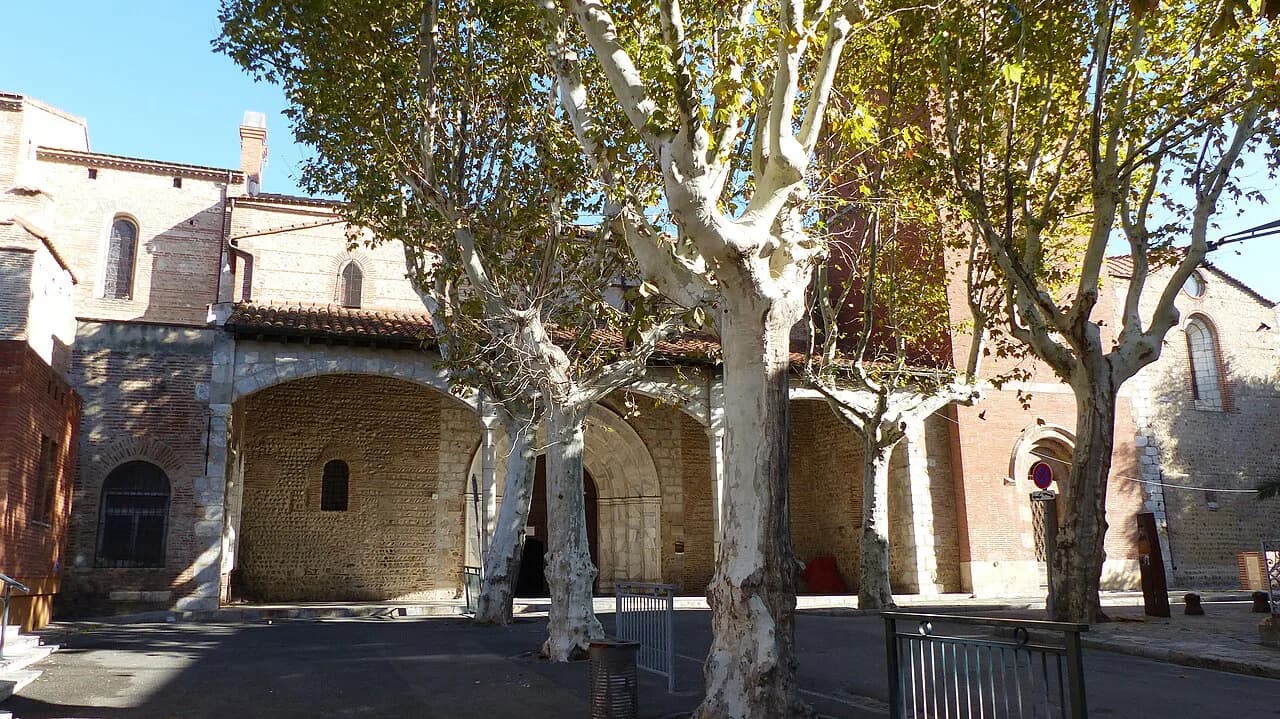
Saint-Jacques, Perpignan: the city's oldest quarter

Saint-Jacques is the oldest quarter of Perpignan, wrapped around the Église Saint-Jacques a short walk from the city's central historic core. It is a working neighbourhood rather than a museum set piece, and parts of it are being rebuilt, so you come for atmosphere, a Romanesque-Catalan church and lanes with real life in them rather than for polished retail streets. Treat it as a half-day layer on a Perpignan weekend, not a destination in its own right.
What Saint-Jacques is
This is the quarter that grew with Perpignan itself, and the Église Saint-Jacques was the first church built in the city, erected after the town extension of the 13th century. That gives the district a genuine claim to being the historic heart rather than a later addition. Approach it as a place to read the city's growth in its street pattern: the church sits inside a dense knot of narrow lanes, not on a grand open square.
Where it sits in Perpignan
Saint-Jacques occupies the historic centre just north of the older commercial heart, and the Église Saint-Jacques is addressed on rue de la Miranda. Because the quarter is compact, you can enter from several directions and be deep inside its lanes within a couple of minutes. Use the church as your landmark and let the lanes do the rest; the wider set of area guides in our Perpignan Neighborhoods: 4 Area Guides helps you see how Saint-Jacques knits into the rest of the city.
Who the area suits, and who it does not
Saint-Jacques suits travellers who want everyday street life, small food shops and a sense of how a Mediterranean Catalan city actually works. It does not suit anyone expecting a sanitised old town of gift shops and café terraces on every corner; parts of the district are visibly run-down and building works are part of the picture. If you want a gentler introduction to central Perpignan, the neighbouring quarter of La Réal, Perpignan makes an easier first stop. If you are weighing up other Languedoc cities for a similar short break, our guide to things to do in Montpellier covers the same kind of old-town wandering.
Saint-Mathieu, Perpignan is another central option with a different feel, and comparing the two quarters is a good way to judge which side of the city you want to base yourself near. Saint-Jacques rewards curiosity rather than convenience, so give it time when you are already in the centre rather than making a special trip.
The Église Saint-Jacques
The church is the quarter's one unmissable sight and the anchor for any wander here. It was the first church built in Perpignan, following the 13th-century town extension, and its position inside the lanes explains why Saint-Jacques feels older than the streets around it. Stand in the surrounding lanes rather than looking for a grand approach; the building reveals itself in stages as you walk.
Streets and lanes worth wandering
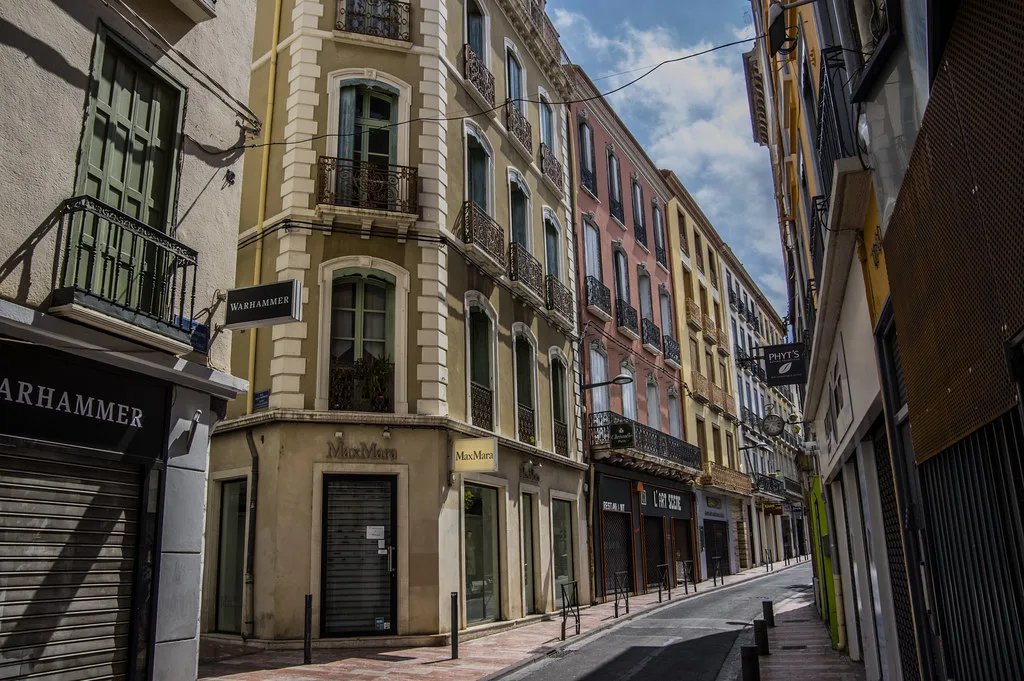
The lanes named in the city's rehabilitation programme give you a ready-made walking route through the quarter: rue Llucia, rue des Potiers, rue de la Savonnerie, rue des Carmes, Fontaine Neuve and rue du Moulin Parès. These are ordinary streets rather than sights, and that is the point: walk them slowly, look up at the façades and notice how the ground floors are used. Rue des Carmes is a good place to start if you are coming from the central historic core.
Place du Puig and what is changing
Place du Puig is the visible face of change in Saint-Jacques, where a reconstruction of 36 homes has been under way. The wider rehabilitation plan signed off in a declaration of public utility on 5 November 2024 covers seven blocks in the historic heart and was reported at around 117 million euros for 181 new homes, with nearly a hundred expropriations. Residents, many from the district's Gitano community, have contested the expropriations while supporting the place du Puig rebuild itself; expect building works and contested ground rather than a finished square.
For a visitor the practical effect is simple: the quarter is a place of cranes, boarded façades and emptied houses in places, not a tidy heritage zone. Walk through with that in mind rather than photographing doorways as if the street were a stage set. Details of the programme change as works advance, so check the mairie's current information before planning around any specific square or street.
Eating and drinking in the quarter
Saint-Jacques is a residential quarter, so eating here means small local places serving the neighbourhood rather than a strip of visitor restaurants. Cuisine has a strong Catalan accent, with charcuterie, anchovies, olives and market produce appearing on menus across central Perpignan. Because the district is compact and the historic centre is close, the most reliable approach is to walk the lanes in the late morning, see what is open and full, and decide on the spot rather than booking around a named address.
Getting there and around on foot
Saint-Jacques is entirely walkable and best seen that way, with the church on rue de la Miranda as your reference point. From the central historic core, the walk into the quarter is short and flat, so you can combine it with a visit to the rest of central Perpignan without transport. Buses and the wider network serve the city centre, but within the quarter itself you will not need anything except comfortable shoes.
How much time to give it
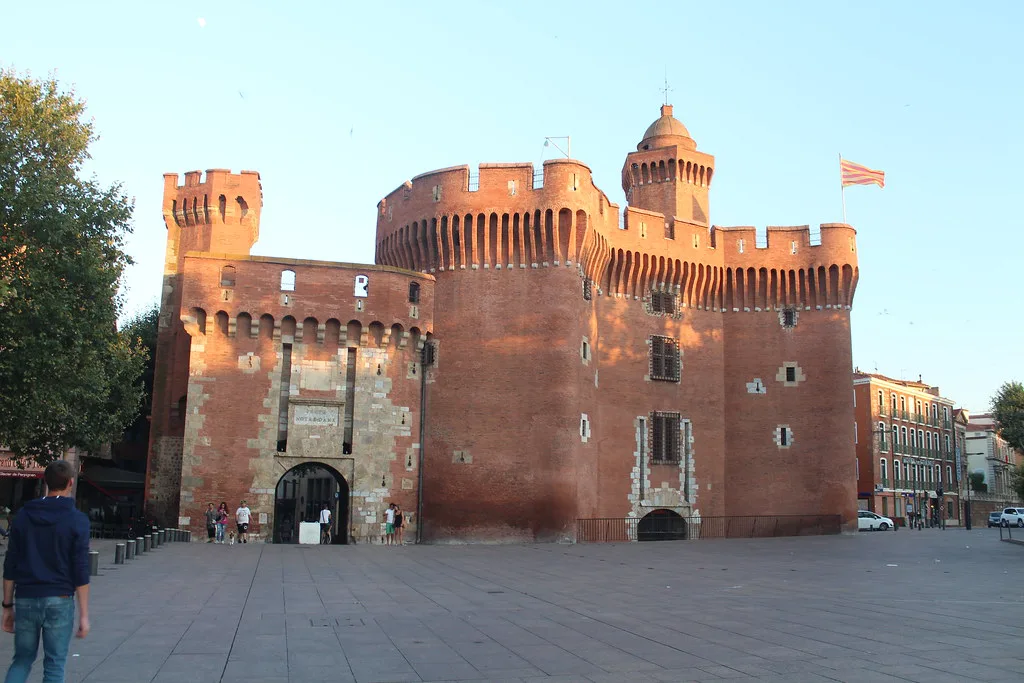
Give Saint-Jacques two to three hours inside a Perpignan weekend: enough to walk the named lanes, see the church and stop for a coffee or a snack. Two full days is a sensible shape for Perpignan as a whole, with Saint-Jacques as one of several quarter visits rather than the main event. If you only have a single day, see the church and one loop of lanes, then move on to the city's bigger sights such as Le Castillet.
Where it fits with the rest of the city
The quarter works best as one piece of a wider walk through central Perpignan, alongside La Réal and Saint-Mathieu. Les Platanes, Perpignan is a different proposition again, further from the historic lanes and better suited to a separate part of the day. Our Perpignan Attractions: 6 Visitor Guides covers the city's headline sights so you can slot Saint-Jacques into a realistic route.
Practical points before you go
The Église Saint-Jacques is an active place of worship, so treat it as one and leave quietly if a service is running. Building works around place du Puig and the named lanes can close pavements or change how you walk through, and the exact state of each block shifts as the programme progresses. Check the mairie's current notices if you want to see a specific street, and keep your route flexible rather than fixed on one square.
Plan Your Visit
Saint-Jacques is the right call if you want a real neighbourhood alongside Perpignan's historic core, with a first-built church at its centre and lanes that still belong to the people who live there. Expect scaffolding and emptied houses in parts, and do not treat it as a substitute for the city's main sights. Pair it with the central quarter and our Perpignan guide for a sensible weekend route.
Frequently Asked Questions
Where is Saint-Jacques in Perpignan?
Saint-Jacques sits inside Perpignan's historic centre in the Pyrénées-Orientales, with the Église Saint-Jacques on rue de la Miranda as its fixed landmark. It is a short, flat walk from the central historic core, so you can reach it on foot without any transport.
Is Saint-Jacques the oldest quarter of Perpignan?
Saint-Jacques holds that claim in Perpignan's heritage material: its church, Église Saint-Jacques, was the first church built in the city, erected after the town extension of the 13th century. That makes the quarter the historic heart of the city rather than a later addition.
Is the Église Saint-Jacques worth visiting?
Yes, if you are already in central Perpignan. It is the quarter's one unmissable sight and the reason the lanes around it feel older than the rest of the city. It is an active place of worship, so behave accordingly and leave quietly during a service.
How long should I spend in Saint-Jacques?
Plan on two to three hours for the church and a loop of the named lanes, with a stop for coffee or a snack. Across a Perpignan weekend, two full days is a reasonable shape for the city, with Saint-Jacques as one quarter among several.
Is Saint-Jacques walkable from central Perpignan?
Completely. The quarter is compact and flat, and you can walk into its lanes from the central historic core in a few minutes. Once inside, everything is on foot, so wear comfortable shoes rather than planning around buses.
Is Saint-Jacques safe at night?
This guide makes no safety rating for the quarter. The reliable approach is to stick to well-lit streets you already know, as in any city centre, and to check official local advice before a late walk.
Why is part of Saint-Jacques being rebuilt?
A rehabilitation programme covering seven blocks in the historic heart was formalised by a declaration of public utility on 5 November 2024, and a reconstruction of 36 homes on place du Puig has been under way. Residents have contested the expropriations even where they support the place du Puig rebuild. Building works and emptied houses are therefore part of the streetscape.
Which streets should I walk in Saint-Jacques?
Start with rue des Carmes, then follow rue Llucia, rue des Potiers, rue de la Savonnerie, Fontaine Neuve and rue du Moulin Parès. These are ordinary residential lanes, so walk slowly and treat them as lived-in streets rather than sights.