
Musée d'Archéologie, Antibes: What to See at the Bastion Saint-André
The Musée d'Archéologie in Antibes is a small municipal museum inside the Bastion Saint-André, at 3 avenue Maizière, on the old fortification line near the port. Its collection comes from terrestrial and underwater excavations and traces the story of Antipolis, the Greek city that became Antibes. Entry takes under an hour, so treat it as a stop on a wider walk through Antibes rather than a destination in its own right.
Where the Musée d'Archéologie sits in Antibes
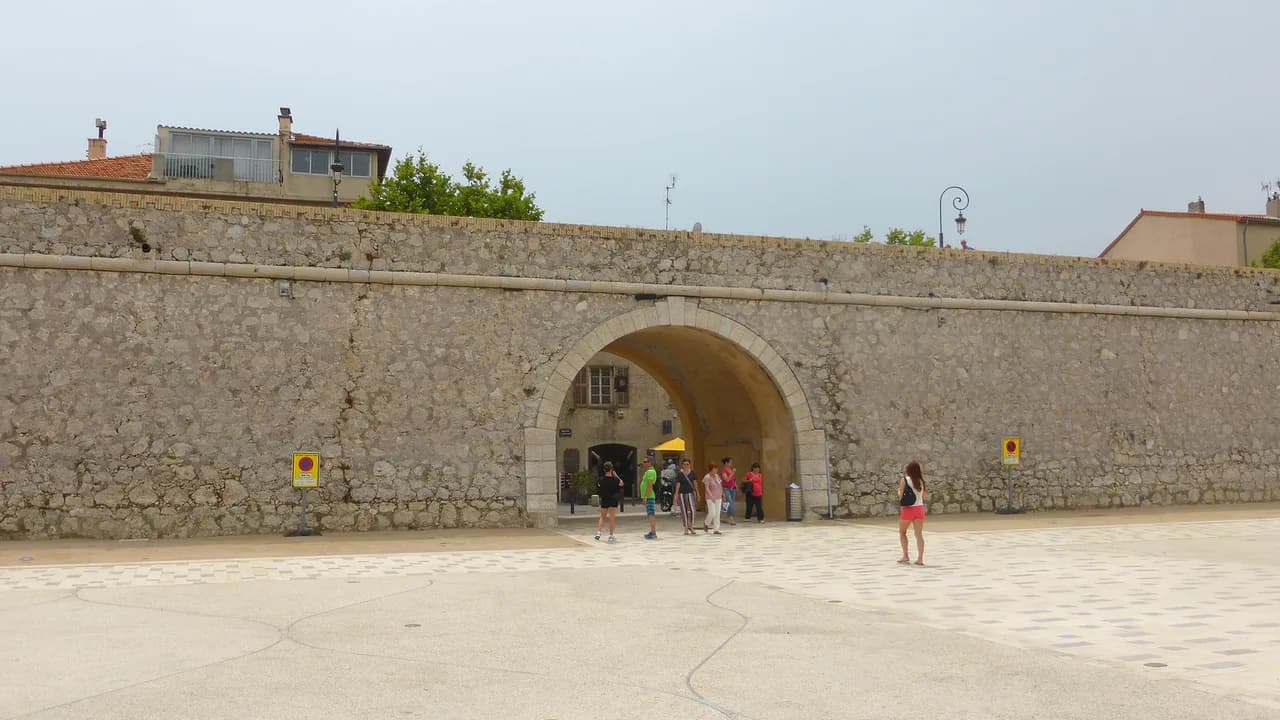
The museum occupies the Bastion Saint-André, part of the ring of fortifications that once enclosed the town, with the address given as 3 avenue Maizière, 06600 Antibes. That puts it on the seaward edge of the historic centre, close to the port and a short walk from the streets of the old town. Because the bastion is itself a piece of the town's defences, arriving is part of the visit.
If you are coming from the Cours Masséna and the covered market hall, the walk is short and flat, following the line of the walls towards the water. Come from the port side and you approach along the quays before turning in at the bastion. Either way, allow ten to fifteen minutes on foot from the market, which makes it easy to fold into a morning in the old town.
What the collection shows
The permanent collection is built from objects recovered in land excavations and in underwater work off the coast, and it is arranged to retrace the history of Antibes. The museum runs a guided visit of the collections built around discovering Antipolis, which is the clearest way to make sense of the material if you want context rather than cases of fragments.
The underwater material is what sets this collection apart from a standard local history display: Antibes was a Greek trading foundation, and finds raised from the sea speak to its role as a port long before the modern marina. Read the labels rather than skimming, since the interest is in what each object shows about trade, daily life and burial along this coast. The terrestrial finds balance the maritime story with the town itself.
The bastion as part of the visit
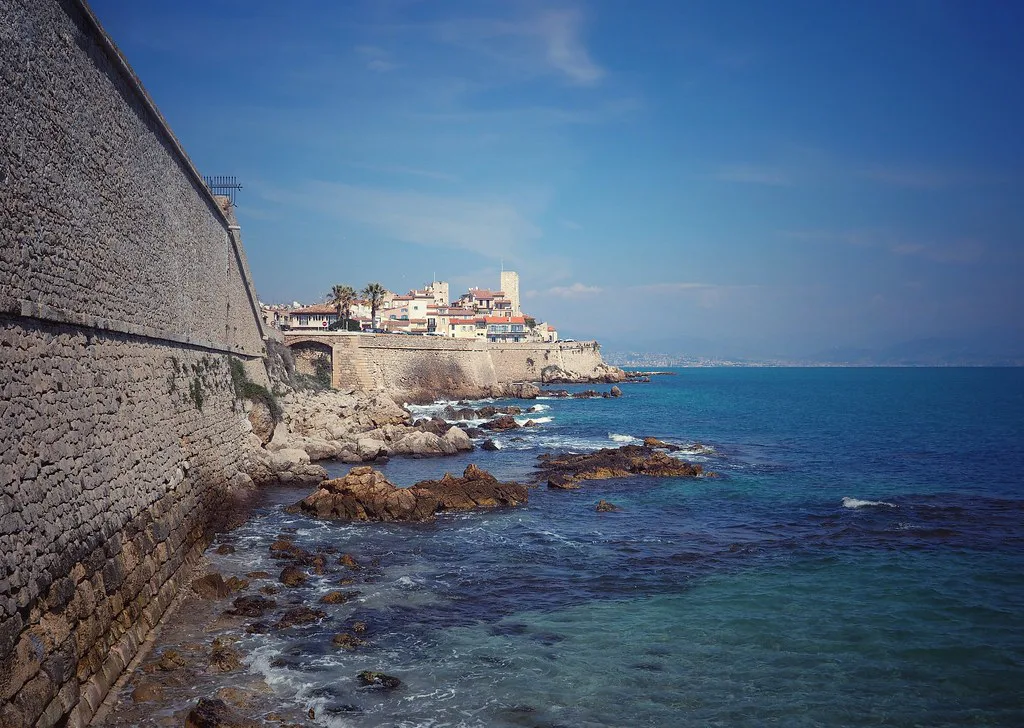
The Bastion Saint-André is a seventeenth-century defensive work, and its thick walls and vaulted spaces shape how the collection is shown. Rather than a neutral gallery, you are reading the town's archaeology inside a structure built to defend it, which is the reason to see this material here and not elsewhere. Take a moment at the openings and the outer walls before or after the rooms.
The building's position on the rampart line means the museum sits within the same circuit of walls you would walk anyway, and the old town's lanes are immediately behind it. That proximity is the practical argument for combining the two rather than making a separate trip.
How long to allow
Budget around forty-five minutes to an hour inside; the displays are compact and there is no risk of museum fatigue. That estimate stretches if a temporary exhibition or a guided visit is running, so build in extra time if you plan to join one. It is not a museum that rewards a half-day.
The sensible rhythm is to see the museum first, then walk the old town and the ramparts with the Greek and Roman background fresh in mind. Do the reverse and the labels will mean less. If you are short of time, the bastion and a quick pass through the main room will still give you the gist.
Tickets and opening days
Opening days, hours and admission charges are published by the museum itself on its official page and by the Antibes Juan-les-Pins tourist office, so check the day you plan to go before building an itinerary around it. Municipal museums in the region often close one day a week, so check current details before you set out.
Pairing it with the Musée Picasso and the ramparts
The Musée Picasso Antibes, in the Château Grimaldi, is the obvious partner: it sits above the bay in the old town and holds around 245 works by Picasso alongside a modern art collection begun in 1951. The regional tourism board gives a visit time of about one hour, opening hours of 10:00 to 13:00 and 14:00 to 18:00 with a continuous day from mid-June to mid-September, and closure on Mondays plus 1 January, 1 May, 1 November and 25 December. Between the two museums and a ramparts walk you have a full, unhurried day.
Picasso worked in the Château Grimaldi in autumn 1946, leaving paintings and drawings behind, and the story of his time in Antibes is the reason the building became a museum in 1966. Doing the archaeology museum first sets up that later chapter neatly.
The market and the old town on the same morning
The Marché Provençal in the covered hall on Cours Masséna runs every morning from 7.30am to 1pm, extending to 1.45pm from 1 June to 31 August, and closes on Mondays only from 1 September to 31 May. Arrive early for the food stalls, then walk to the bastion once the market thins out.
Other markets spread across town through the week, including stallholder markets at place De Gaulle on Tuesday and at place Jean Aude on Wednesday and Friday, so a midweek visit can still start with shopping. The cathedral, Notre-Dame-de-l'Immaculée-Conception d'Antibes, is a short walk away and rounds out a compact old-town circuit.
If the museum is closed
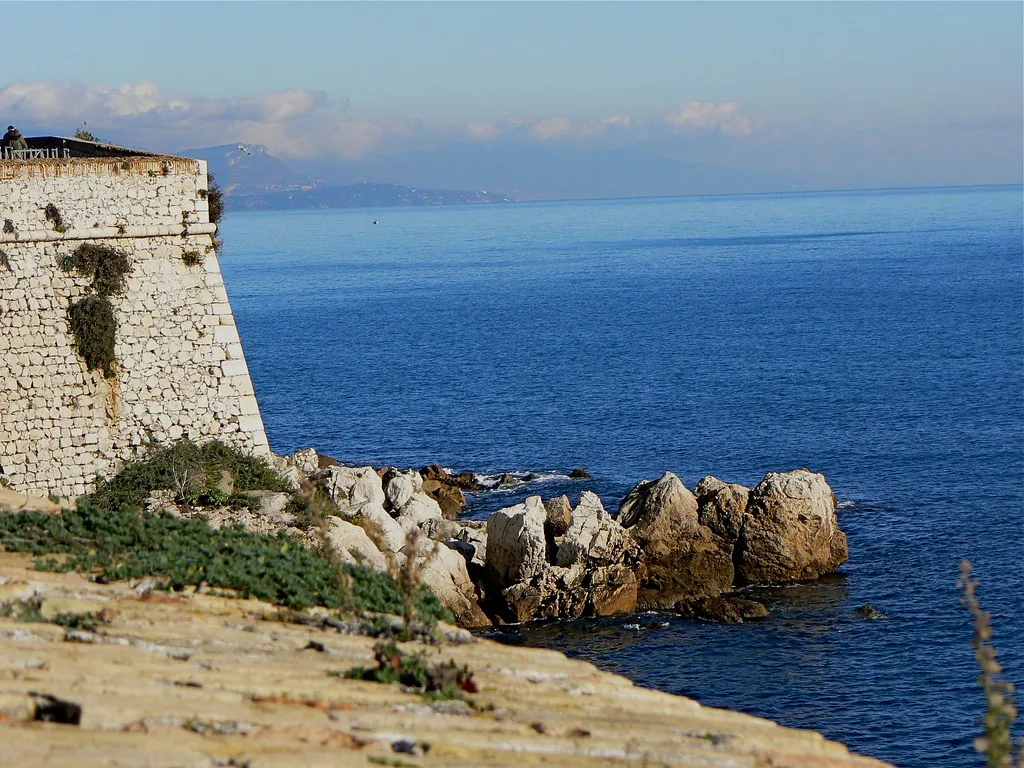
The Fort Carré is the strongest alternative on the same stretch of coast, a Renaissance fort with a rampart walkway 43 metres up and views over the bay. It opens 10:00 to 17:00 from 1 September to 30 June (last visit 16:30) and 10:00 to 18:00 from 1 July to 31 August (last visit 17:30), closes on Mondays and on 1 January, 1 May, 1 November and 25 December, and charges 5 € full fare, 3 € reduced, with a 15 € multi-site card covering municipal museums over seven consecutive days. It can close at short notice in bad weather or for security, and reservations by phone are recommended.
If both are shut, the old town itself fills the time: the lanes of Vieil Antibes, the covered market hall, the port and the walk along the walls need no ticket. Save the museums for another morning rather than forcing the schedule. If you would rather trade Antibes' ramparts for another stretch of coast altogether, the things to do in Cannes make an easy comparison for a second weekend.
Plan Your Visit
The Musée d'Archéologie is a short, focused stop that pays off when you slot it into a morning with the market and follow it with the Musée Picasso and the ramparts. Go for the underwater finds and the sense of the Greek port, not for scale. Confirm the day and the entry charge on the museum's own page before you go, and keep a wet-weather plan for the Fort Carré in reserve.
Explore more Antibes guides
Frequently Asked Questions
Where is the Musée d'Archéologie in Antibes?
It is housed in the Bastion Saint-André at 3 avenue Maizière, 06600 Antibes, on the old fortification line near the port. From the Cours Masséna and the covered market hall it is a short, flat walk of roughly ten to fifteen minutes.
What can you see at the Musée d'Archéologie in Antibes?
The permanent collection brings together objects from land excavations and from underwater work off the coast, arranged to retrace the history of Antipolis. A guided visit of the collections is offered for visitors who want the story behind the finds.
How long does a visit to the Musée d'Archéologie take?
Allow around forty-five minutes to an hour for the displays. Add time if a guided visit or temporary exhibition is running, and plan the museum as one part of a morning in the old town rather than a standalone outing.
Is the Musée d'Archéologie in Antibes open on Mondays?
Opening days vary between municipal museums, and this one should not be assumed open every day. Check the published opening days on the museum's official page before you plan a visit around it.
How much is entry to the Musée d'Archéologie in Antibes?
Admission charges are set by the museum and published on its official page and by the Antibes Juan-les-Pins tourist office. Confirm the current charge there rather than relying on older figures.
What is there to see near the Bastion Saint-André?
The Musée Picasso in the Château Grimaldi, the old town lanes, the port and the ramparts walk are all within easy reach on foot. The Fort Carré, with its 43-metre rampart walkway, is the other major fortification to visit nearby.