
Musée de Bastia: A Visitor's Guide to the Palais des Gouverneurs
The Musée de Bastia is the city's own museum, housed in the Palais des Gouverneurs on Place du Donjon inside the Citadelle. It is a compact, building-led visit: you come for the palace's story as much as for the Corsican collections, and it fits neatly into a half-day in the upper town.
Allow roughly one to two hours, and treat it as the cultural anchor of a Citadelle wander rather than a full day out. The reward goes to travellers who want context on Bastia's Genoese past before they walk the rest of the old quarter.
What the Musée de Bastia is
This is Bastia's municipal museum, set in the building traditionally called the Palazzo Pubblico, the seat of Genoese sovereignty in Corsica. The museum describes the palace as the very symbol of the Serenissima Repubblica di Genova's rule over the island, which is why the displays lean heavily on the building's own political history.
The collections began as a museum of Corsican ethnography when the building was converted in the early 1950s, so expect material culture and island life alongside the architecture. It suits travellers who like a place explained through its stones rather than through blockbuster art.
Where it sits: Place du Donjon in the Citadelle
The museum's address is Place du Donjon, Citadelle, Bastia, and the phone number published by the museum is 04 95 31 09 12. Use the Place du Donjon as your reference point once you are inside the Citadelle walls, because the palace sits within the fortified quarter rather than on the harbour front.
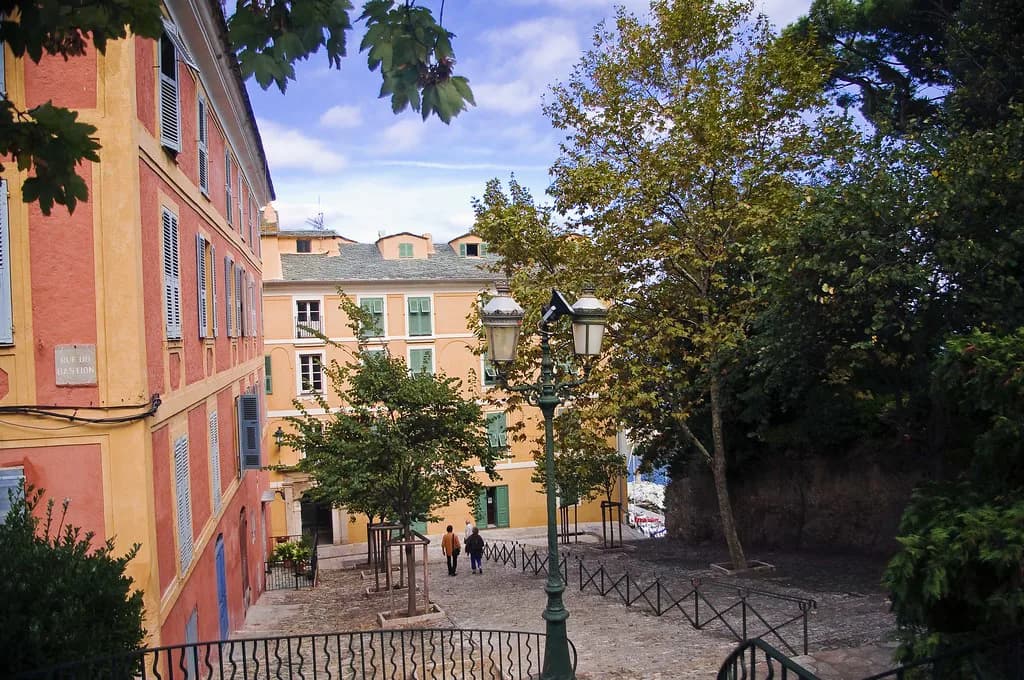
That location shapes the visit. You are not popping in from a shopping street: you are walking up into the old fortified core, so pair the museum with the surrounding lanes and walls rather than treating it as a stand-alone stop on a flat city circuit.
Getting there and finding the entrance
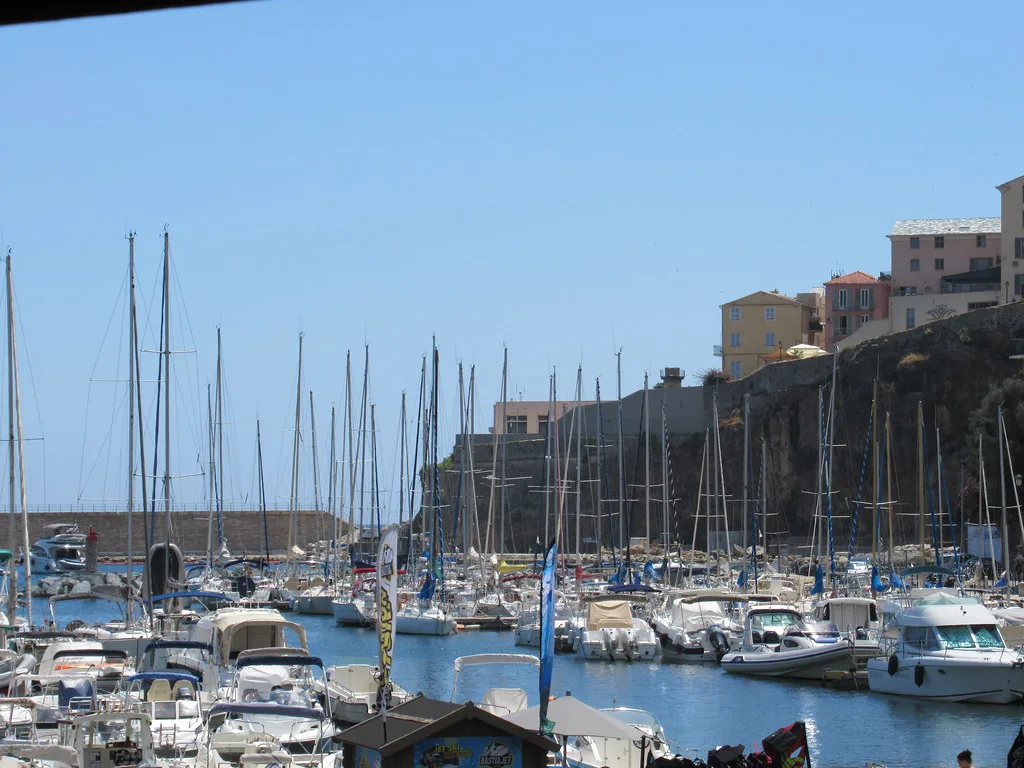
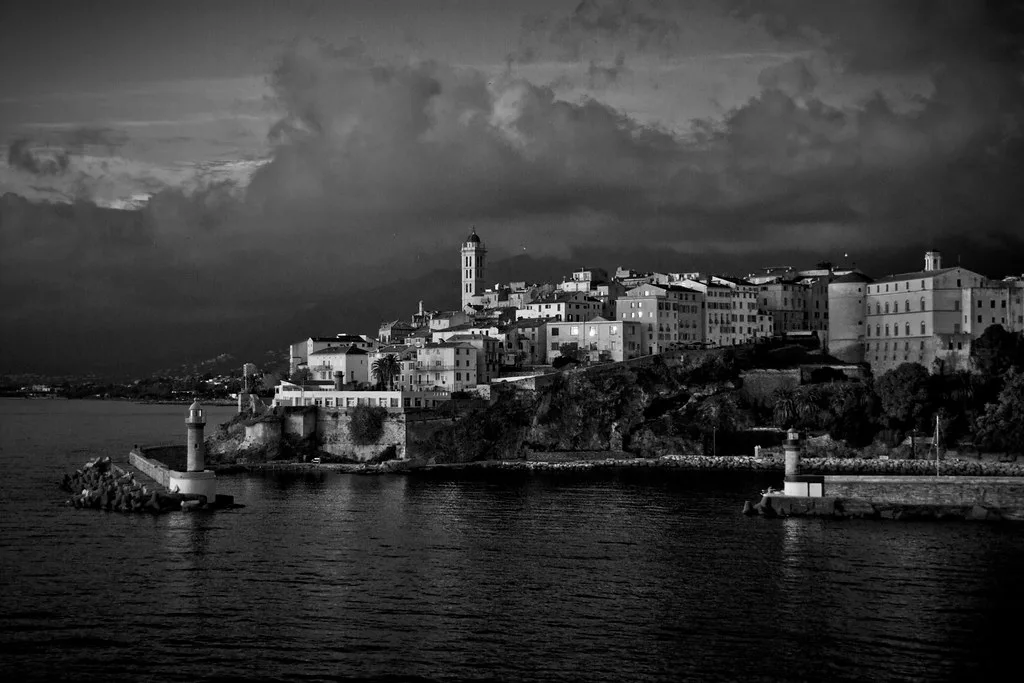
Bastia's geography does the work here: the Citadelle sits above the Vieux-Port, and the climb from the harbour side is on foot through the old town. Start from the port quarter rather than the modern lower town, and follow signs for the Citadelle and Place du Donjon rather than trying to drive into the fortified lanes.
The palace entrance sits off the square named for the donjon, the fortified tower that gives the spot its name. If you are unsure, the Place du Donjon address and the museum's published telephone number are the two concrete anchors to navigate by.
The building itself: from Genoa to barracks to museum
The palace's story begins around 1380, when it was built as the Palazzo Pubblico under Genoese rule. Its present shape owes more to later remodelling: the building was adapted across the 16th and 17th centuries, when it served as both the seat of the Genoese administration and a fortification at the heart of the Citadelle.
By the 1770s, after sieges and bombardments, it briefly became a centre of Ancien régime power and then a barracks, a role it kept until the Second World War. Those military years left their mark: a horseshoe staircase in the courtyard was destroyed and an extra floor was added to the east wing, which is why the building reads as a palimpsest rather than a pristine palace.
Only in the early 1950s did it become a museum, initially devoted to Corsican ethnography. Knowing that sequence makes the interior easier to read: you are walking through a building that has been government office, garrison and gallery in turn.
What to see inside
The palace-history displays carry the weight of the visit, tracing the building from Genoese seat of power to barracks and finally to museum. Read these before the collections and the rest of the Citadelle will make more sense, since the palace was the administrative and military core of the quarter.
The permanent collections centre on Corsican ethnography, the island's material and everyday culture, which is where the museum started in the 1950s. Expect a focused rather than encyclopaedic display: this is a city museum in a historic house, not a regional flagship with galleries stretching in every direction.
Because the palace has been repeatedly remodelled, part of the interest is architectural: courtyards, later additions and the remains of older arrangements. Keep an eye on the fabric of the building as you move between rooms, and the entry ticket pays for two things at once, the collections and the palace itself.
How long to allow and how to pace it
Budget one to two hours inside, which covers the palace history and the ethnographic collections at a comfortable pace. That leaves the rest of the morning or afternoon for the Citadelle lanes, the walls and the cathedral, all within the same compact quarter.
If you are short on time, prioritise the palace-history section first, since it explains the whole Citadelle. Save a slow pass through the ethnographic material for a return leg or a quieter moment, when the building's story is already in your head.
Tickets and opening times
The museum follows a published pattern: Tuesday to Saturday 9am to 12pm and 2pm to 5pm, with high-season opening on Sunday, Monday and public holidays from 10am to 18h30. That means a Monday or Sunday visit depends on the season, while midweek visits sit within the split morning and afternoon sessions.
Entry is free for children under 10, according to the published listing. Adult pricing is not something the museum sets out in the sources consulted here, so confirm the current tariff at the desk or on the museum's own site before you go.
Note the lunchtime gap in the standard schedule: a midday arrival outside high season may find the doors shut between the morning and afternoon sessions. Plan the museum for the morning or the afternoon slot and use the middle of the day for the Citadelle and the port instead.
Temporary exhibitions
The museum uses its exhibition space for loan-based shows that draw on major European collections. Banditi!, staged from 2 July to 18 December 2021, explored brigands and bandits as figures of collective imagination and borrowed works from institutions such as the Uffizi in Florence and the Brera in Milan, with entry at 5 euros at the time.
That gives a sense of the museum's ambition: small building, serious loans, thematic shows tied to Corsican and Mediterranean culture. Check what is on during your dates on the museum's site, since the palace's exhibition programme changes rather than running a fixed display.
Practical trade-offs
This is a compact museum, and honesty helps: it rewards travellers who want context on Bastia's Genoese past rather than those chasing a headline day out. If you have a single day in the city, the palace history plus a walk around the Citadelle gives you more than a rushed hour indoors.
The seasonal hours are the other trade-off. A high-season Sunday or Monday opens the museum on a day when midweek visitors would find it closed, so build your day around the season rather than assuming a standard pattern.
Nearby in the Citadelle
The Cathédrale Sainte-Marie de Bastia is the obvious companion, since it sits within the same fortified quarter and its scale contrasts with the palace's domestic rooms. Pair the two and you have covered the Citadelle's main interiors without leaving its walls.
Below the Citadelle, the Vieux-Port gives you the harbour-side Bastia that the palace once governed from above, and it is the natural place to end the walk. The Jardin Romieu offers a greener stop if you want to break up the stone and the staircases.
For the broader picture of what to see in the city, the Bastia Attractions: 6 Visitor Guides collection puts the museum alongside the other named sights. It is the practical way to slot the Palais des Gouverneurs into a short break. If you are island-hopping, the same city-museum-in-a-historic-quarter approach is worth comparing with things to do in Ajaccio and things to do in Calvi.
Checklist before you go
Confirm the day's opening session against the season, since the museum's published hours split between the standard Tuesday-to-Saturday pattern and extended high-season days. Check the adult ticket price at the desk, because only free entry for under-10s is clearly published.
Finally, look at the temporary exhibition page before you set out, because the programming changes and the palace's exhibition space is part of the reason to visit. That one check keeps a Monday or Sunday plan from unravelling at the door.
Plan Your Visit
The Musée de Bastia is the Citadelle's explainer: a Genoese governors' palace that became a barracks and then a museum of Corsican life. Give it one to two hours, check the seasonal opening pattern, and let the building's own history set up the rest of your walk through Bastia's old quarter.
Explore more Bastia guides
Frequently Asked Questions
What can you see inside the Musée de Bastia?
The museum covers the history of the Palais des Gouverneurs, from its origins as the Genoese Palazzo Pubblico around 1380 through its later use as a barracks, alongside permanent collections devoted to Corsican ethnography. Temporary exhibitions add loan-based shows on Corsican and Mediterranean themes.
How long does a visit to the Musée de Bastia take?
Allow one to two hours. The palace history and the ethnographic collections are compact, so the museum works best as the anchor of a half-day in the Citadelle rather than as a full-day stop.
When is the Musée de Bastia open?
The published pattern is Tuesday to Saturday from 9am to 12pm and 2pm to 5pm, with high-season opening on Sunday, Monday and public holidays from 10am to 18h30. Because the schedule shifts by season, confirm the session for your date before travelling.
How much is entry to the Musée de Bastia?
Entry is free for children under 10 according to the published listing. Adult pricing is not clearly published in the available sources, so check the current tariff at the desk or on the museum's site.
Where is the Musée de Bastia in Bastia?
It is in the Palais des Gouverneurs on Place du Donjon, inside the Citadelle quarter above the old port. Use Place du Donjon as your reference point once you are inside the Citadelle walls.
Is the museum open on Mondays?
Monday openings fall in the high season, when the museum opens on Sunday, Monday and public holidays from 10am to 18h30. Outside that period, the standard pattern runs Tuesday to Saturday.
Can you see temporary exhibitions at the Musée de Bastia?
Yes. The museum stages loan-based shows, such as Banditi! from 2 July to 18 December 2021, which borrowed works from the Uffizi and the Brera. The programme changes, so check what is on for your dates.