
Vieux-Port de Bastia: A Visitor's Guide to the Old Harbour

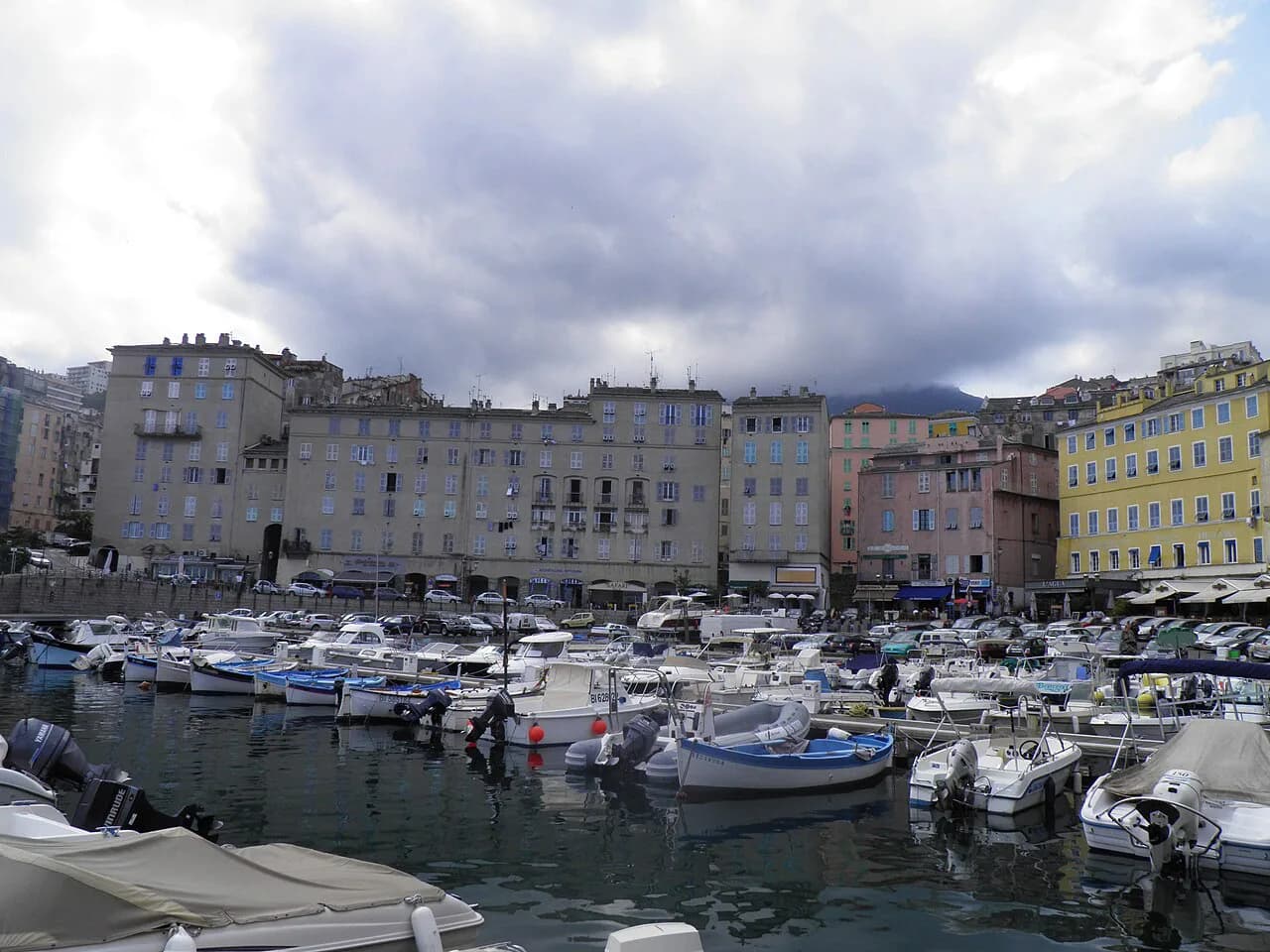
Bastia's Vieux-Port is the city's old fishing harbour and marina, lying flat at the foot of the citadel and within a few minutes' walk of Place Saint-Nicolas. It is the natural starting point for a Bastia visit: pastel facades and café terraces on one side, the citadel ramparts above, and the Terra Vecchia lanes immediately behind. Allow two to three hours if you want the lighthouse walk and the climb into Terra Nova, or an hour for a straight pass along the quays.
Where the Old Harbour Sits
The harbour occupies a small cove that was once a village known as Marina di Cardo, now Bastia's fishing port and marina beneath the citadel and its keep. Its layout is easy to read: the water in front, the citadel hill rising on the southern side, and the lower old town, Terra Vecchia, folding inland behind the quays. That compactness matters, because everything described here is reachable on foot without transport.
Think of the harbour as the hinge of the city. Place Saint-Nicolas, the broad main square, sits at the northern end, while the citadel district of Terra Nova crowns the hill to the south. Between them runs the line of quays where boats moor and restaurants set out tables. If you are planning a wider weekend, the Bastia Attractions: 6 Visitor Guides collection covers the other sights in the same walking order.
Walking Down from Place Saint-Nicolas
The simplest approach is on foot from Place Saint-Nicolas, which is lined with cafés, shops and trees and serves as the city's main open space. From the square, Rue Napoléon runs down towards the water; it has been fully pedestrian since 2013 and holds designer workshops, souvenir shops, local food stores and ice-cream parlours along its length. Walking the whole route takes only a few minutes, so it works as a warm-up rather than a hike.
On the way down you pass two small oratories on Rue Napoléon, Sainte-Croix and the Immaculate Conception, both worth a glance through the doorway. The street delivers you almost directly onto the quayside, which is where the harbour opens up in front of you. This is the moment to decide whether to turn left towards the lighthouse or right towards the market square.
The Quays: Facades, Terraces and Boats
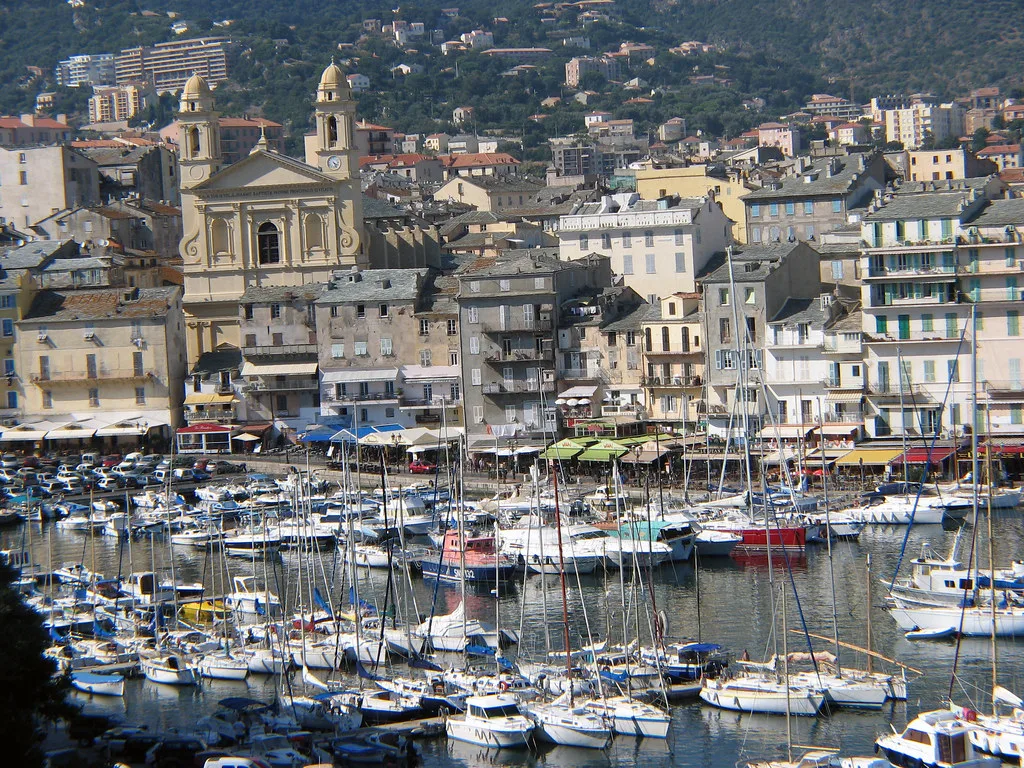
The old harbour has kept its colourful old buildings, which give the waterfront a distinctly Tuscan feel, and it ranks among the liveliest corners of the city alongside the citadel above it. Fishing boats and yachts share the water with pleasure craft, and the quays are lined with terraces that fill through the afternoon and into the evening. The ground here is flat, which makes it the easiest part of Bastia to stroll for all ages. If you enjoy harbour life with this kind of character, the Vieux-Port Marseille offers a comparable quayside wander.
Treat the quays as a place to linger rather than a checklist. A slow circuit of the basin, a pause at a terrace and a look back at the facades will take most of an hour without trying. The one thing to plan around is the climb to the citadel, which is much easier by lift than by stairs.
The Red Lighthouse Walk
At the southern tip of the harbour, a walk out to the red lighthouse gives the best views back towards the citadel and the city; a green lighthouse marks the northern side. The path is stroller-friendly and level, so it suits anyone who wants the panorama without the climb, and it takes only a short time each way. Arrive in the late afternoon and the low light picks out the pastel walls across the water.
This is also the best spot to photograph the harbour as a whole. From here the citadel reads as a wall of buildings stacked above the port rather than a single fortress, which is why the lighthouse detour is worth the extra quarter of an hour. Bring water in high summer, as the outer quay has little shade.
Getting Up to the Citadel: Lift or Stairs
Two routes connect the harbour to the citadel. The Mantinum, a space opened in 2020 and named after the Roman name for the city, links the Old Port directly to the citadel by a lift below the Palais des Gouverneurs, with the Jardin Romieu staircase as the alternative. The lift is the sensible choice for anyone with luggage, small children or tired legs, while the stairs suit those who want the terraced garden views on the way up.
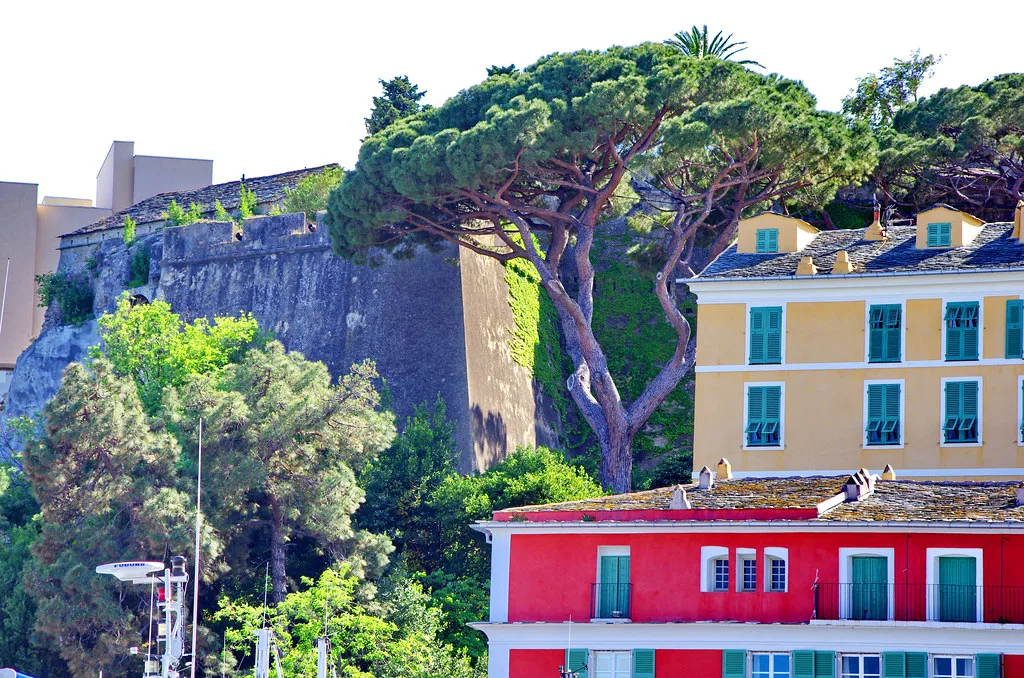
The citadel itself is a compact, village-like district of narrow lanes, small squares and churches on the hill above the port, fully restored and explored on foot. Its monuments include the Palais des Gouverneurs, the Louis XVI Gate, Donjon Square and the Sainte-Croix Oratory. Set aside an hour for the citadel district if you want more than a quick look from the ramparts.
Inside the Palais des Gouverneurs, the Musée de Bastia covers the city's history and opens onto a hanging garden with harbour views below. It makes a useful pause on the climb, particularly in poor weather.
Aldilonda and the Seaside Promenade
From the Old Port, the Aldilonda promenade begins and runs along the water backed by the citadel ramparts, a popular route to start or end the day. Further on, the U Spassimare seafront walk continues from the Toga Marina to Arinella Beach, with benches and deck chairs along the way. Both are level routes, so they work well as an extension of the harbour walk rather than a separate outing.
Families often use the Spassimare to reach Arinella, where a children's play area sits near the sand. The walk out is gentle and can be shortened at any point if the weather turns.
Across the Water: Église Saint-Jean-Baptiste
The twin bell towers of Église Saint-Jean-Baptiste rise above the old harbour and are the city's most recognisable landmark, with the best view of the facade from the far side of the water. Dating from 1636, it is the largest church in Corsica and holds a silver tabernacle made in the nineteenth century by an Italian silversmith. Stepping inside takes minutes, so it slots easily into a quayside circuit.
A short step inland from the harbour, Place du Marché is a plane-tree-lined square where local produce such as fritters, cheese, cured meats, jam and honey is sold. The market trade is a morning affair, so an afternoon arrival will find the square quiet with the cafés and benches left to enjoy.
How Long to Allow and When to Come
A generous half-day covers the harbour properly: twenty minutes from Place Saint-Nicolas to the quays, the lighthouse walk, the lift up to the citadel and a look inside Saint-Jean-Baptiste. If you also want the Musée de Bastia and a proper sit-down meal, give the harbour a full afternoon and keep the rest of Bastia for the following morning. A single day is enough for the city as a whole if you start early.
Mornings are the quietest time on the quays, and the market square is at its best before the produce is packed away. Afternoons bring the terraces to life, and the harbour stays busy into the evening. Bastia is also a cruise port, so the waterfront can swell with day trippers in season; early mornings and evenings are calmer.
Late May to June and September to October give warm conditions with fewer visitors than the peak summer weeks. The harbour is open public space, so the only timing that matters is the market in the morning and the light at the lighthouse in the late afternoon.
Nearby Within a Few Minutes
Ficaghjola beach lies just below the citadel and is the closest stretch of sand to the harbour, popular and easy to reach on foot. For something grander, the coastal walk towards Arinella takes you out along the bay. Beyond the city, Cap Corse begins to the north, but that is a separate day rather than an add-on to a harbour morning.
Above the harbour, the Cathédrale Sainte-Marie de Bastia sits within the citadel and is worth combining with the lift ride up. Built between 1604 and 1619, it holds a silver statue of the Virgin Mary carried through the streets each 15 August.
If you have time for more of the old town after the harbour, the Terra Vecchia lanes climb behind the quays and lead towards Place Saint-Nicolas again, closing the loop. The Bastia page gathers the rest of the city's sights if you want to build a full weekend around this walk.
Plan Your Harbour Visit
Start at Place Saint-Nicolas, walk down Rue Napoléon, follow the quays to the red lighthouse and take the Mantinum lift up into Terra Nova for the return leg. That order gives you the flat waterfront first, the views second and the climb last, when a café terrace at the top is the reward. Keep the morning free if you want to see Place du Marché doing its proper trade.
The harbour is central and always accessible, which makes it the one Bastia sight you can fit around everything else. Check the Bastia tourist office for current details on guided walks, the little train and lift access before you set out.
Explore more Bastia guides
Frequently Asked Questions
Where is the old harbour in Bastia?
The Vieux-Port sits at the foot of the citadel, on the cove once known as Marina di Cardo. Place Saint-Nicolas is a few minutes' walk to the north, and the Terra Vecchia lanes run inland behind the quays. Everything is level and walkable.
Can you walk from Bastia old port to the citadel?
Yes. The Mantinum lift below the Palais des Gouverneurs connects the Old Port to the citadel, and the Jardin Romieu staircases offer a stepped alternative through the terraced gardens. The lift suits anyone with luggage, children or limited mobility.
What is there to see around Bastia's Vieux-Port?
The red lighthouse at the southern tip gives the best view back to the citadel, and Église Saint-Jean-Baptiste shows its twin towers from across the water. Inland, Place du Marché holds a morning market, and the Aldilonda promenade starts at the port.
How long do you need at Bastia's old harbour?
Two to three hours covers the quays, the lighthouse walk and the climb into Terra Nova. Add an hour if you want the Musée de Bastia or a sit-down meal on the waterfront. An hour is enough for a straight pass along the boats.
Is the Vieux-Port of Bastia good for an evening stroll?
The quays are flat and lined with terraces that fill through the afternoon and evening, making them the easiest part of the city to walk after dinner. Mornings are quieter for the market, while evenings bring the harbour's liveliest mood.
Do you need tickets for Bastia's old harbour?
No. The harbour, quays and lighthouse walk are open public spaces with no entry charge. The paid elements nearby are the museums and guided tours, which the Bastia tourist office lists.