
La Joliette, Marseille: What the Waterfront District Is Really Like
La Joliette is worth a day of any Marseille short break if you want museums, shopping and a metro stop within a few streets, and it is the wrong base if you came for the worn, old Marseille of the Panier. The district sits in the 2nd arrondissement, north of the Vieux-Port, and has been reshaped by the Euroméditerranée project rather than preserved as a postcard quarter.
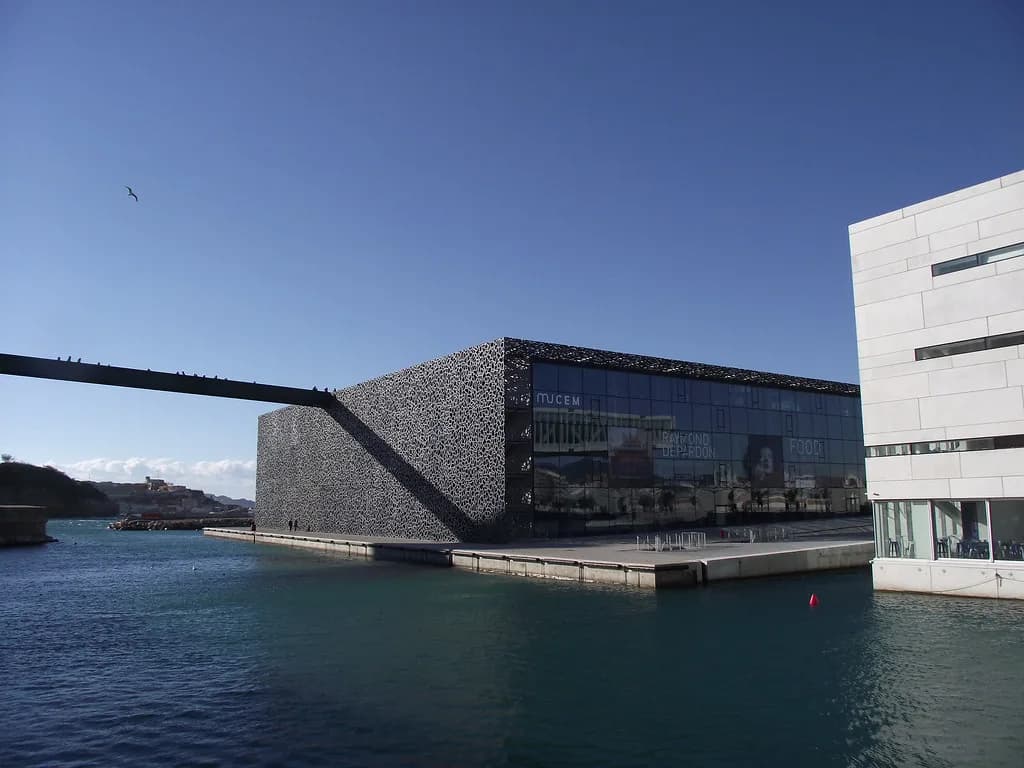
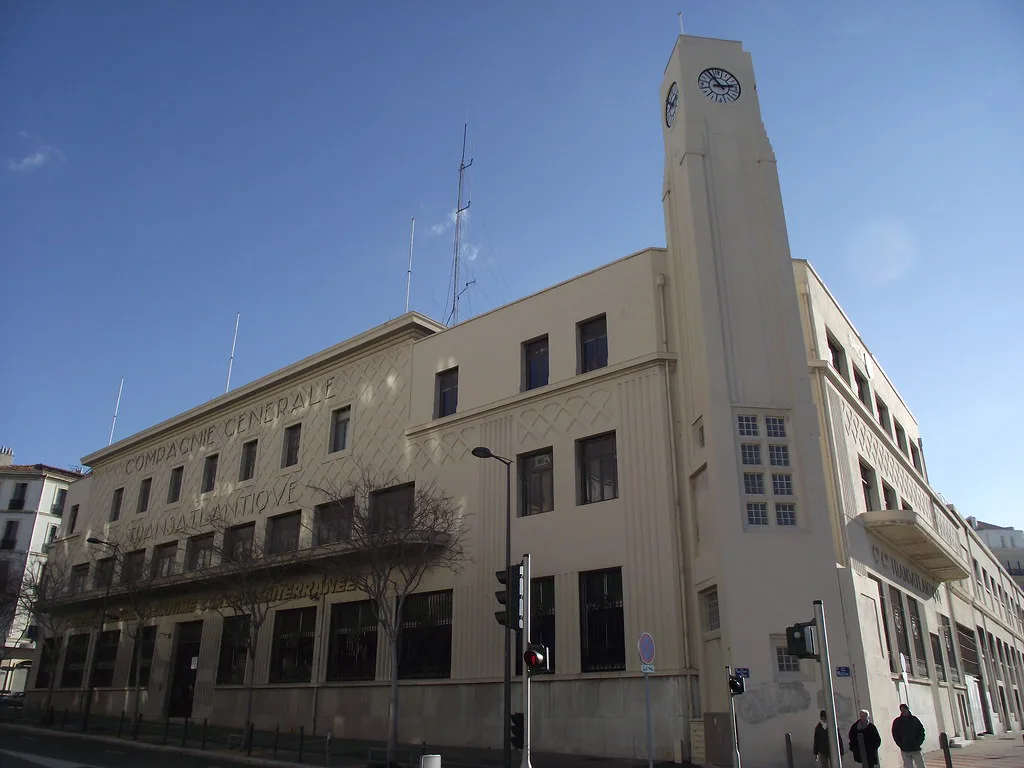
The streets alternate between older buildings and contemporary architecture, which is exactly what the Euroméditerranée rebuild has produced: a district in transition that lives alongside the ferry traffic and the business towers. Plan it as one focused block of a weekend — culture on the waterfront, a mall or two inland — and treat the rest of the city as the main event.
What La Joliette is
La Joliette occupies the 2nd arrondissement on the waterfront north of the Vieux-Port, positioned between the Old Port, the Panier and the road out to the airport. Its identity comes from the Euroméditerranée urban project, which mixed contemporary buildings into an older fabric and gave the area its new business district. If this rebuilt waterfront appeals, our things to do in Aix-en-Provence guide shows how a neighbouring Provençal city handles its own old-meets-new centre.
A local property notice places the quarter in the 2nd arrondissement and describes it as Marseille's most transformed area over a 15-year span, which is a fair way to set expectations: you come for what has been built, not for what survived.
That distinction matters when you plan a short break. Old Marseille atmosphere — narrow lanes, small workshops, laundry overhead — is the business of Le Panier, Marseille's oldest quarter; La Joliette offers space, water views and big cultural institutions instead.
Who it suits and who it doesn't
Book here if your weekend is about the MuCEM, contemporary architecture, a large shopping centre and quick metro access, and if you like the idea of stepping out of a hotel into a rebuilt waterfront rather than a medieval street pattern. The cluster of museums, malls and the Joliette metro station means you can cover a lot on foot without long transfers.
Skip it if you want the old city on your doorstep, if you dislike construction hoardings and business-district frontage, or if you prefer to sleep inside the evening life of the Vieux-Port and the Panier.
A sensible compromise for a two- or three-night stay is to sleep in the older centre and spend one morning walking the La Joliette waterfront, then cross back through the Panier. The district is compact enough that it works as a half-day rather than a base.
How the district is laid out
Picture two bands. The waterfront band runs along Quai de la Joliette and the MuCEM esplanade, where the cultural buildings and the ferry port face the water. Inland, Place de la Joliette and the streets towards Boulevard de Dunkerque carry the malls, offices and the newer residential blocks.
Between the two you get the useful addresses: the Rue de la Joliette corridor for Le Cirva, Avenue Robert Schuman for shops and casual food, and Place Henri Verneuil for the Théâtre de la Joliette. Learning this grid takes about ten minutes of walking and saves a lot of backtracking.
The cultural axis on the waterfront
The MuCEM at 7 Promenade Robert Laffont anchors the waterfront, with the Villa Méditerranée and the Fondation Regards de Provence on Avenue Vaudoyer forming the rest of the museum axis. Build a morning around these three and you have covered the district's headline culture without leaving the water's edge.
Le Môle Passedat sits on the roof of the MuCEM at 1 Esplanade J4, with views over the Mediterranean and the Cathédrale de la Major — a setting that makes it a natural lunch stop if you are already on the esplanade.
The Fondation Regards de Provence sits on Avenue Vaudoyer with its collection and a café facing the port, which makes it a good second stop when you want to sit down between exhibitions.
Contemporary architecture to look up for
The CMA-CGM tower by Zaha Hadid is the symbol of the new business district and the easiest landmark to orient yourself by when you come off the water. Look up rather than ahead: the tower and its neighbours are the clearest statement of what the Euroméditerranée project set out to do.
The FRAC at 21 Boulevard de Dunkerque adds another piece of contemporary architecture to the walk, with artists' studios inside. If you enjoy buildings as much as exhibitions, this is the street to follow inland after the waterfront.

Shopping and covered halls
Les Terrasses du Port, Les Docks and Les Voûtes de la Major give the district its shopping weight, and the Marché des Docks at 10 Place de la Joliette sets out stalls for a browse between the shops. The market is the closest thing to an old-market feel in a district that otherwise looks forwards.
A hotel review posted on a booking site describes Les Terrasses du Port as a 190-boutique mall a short walk from the Joliette area, which gives a sense of scale without pretending it is a market.
Treat the malls as wet-weather insurance and a place to pick up essentials, not as the reason for the trip. Market days, mall hours and Sunday opening vary, so check the Les Terrasses du Port, Les DOCKS and Les Voûtes de la Major websites before you build a plan around them.
Eating in La Joliette
Beyond Le Môle Passedat, Toïa at 7 Quai de la Joliette serves ceviche with a waterfront setting, and Flower Burger at 64 Avenue Robert Schuman is a colourful vegan option with a designed interior rather than a plain canteen.
For a quick lunch between sights, the Place de la Joliette and Avenue Robert Schuman cluster keeps you close to the metro and the malls. Booking dinner ahead makes sense for the rooftop tables at Le Môle Passedat, where the view is the draw.
If you want a different evening, the bars and small restaurants of Cours Julien are a short hop away and give you a counterpoint to the business-district calm.
Le Cirva and the Théâtre de la Joliette
Le Cirva at 62 Rue de la Joliette is a centre for artist and designer residencies with a collection worth seeing, and it works well as an indoor stop when the weather turns. The Théâtre de la Joliette at 2 Place Henri Verneuil is a small venue with an intimate room and a café, useful for an evening that stays local.
Programmes and visiting times change, so look at each venue's own listing before you count on an exhibition or a performance.
What is within walking distance
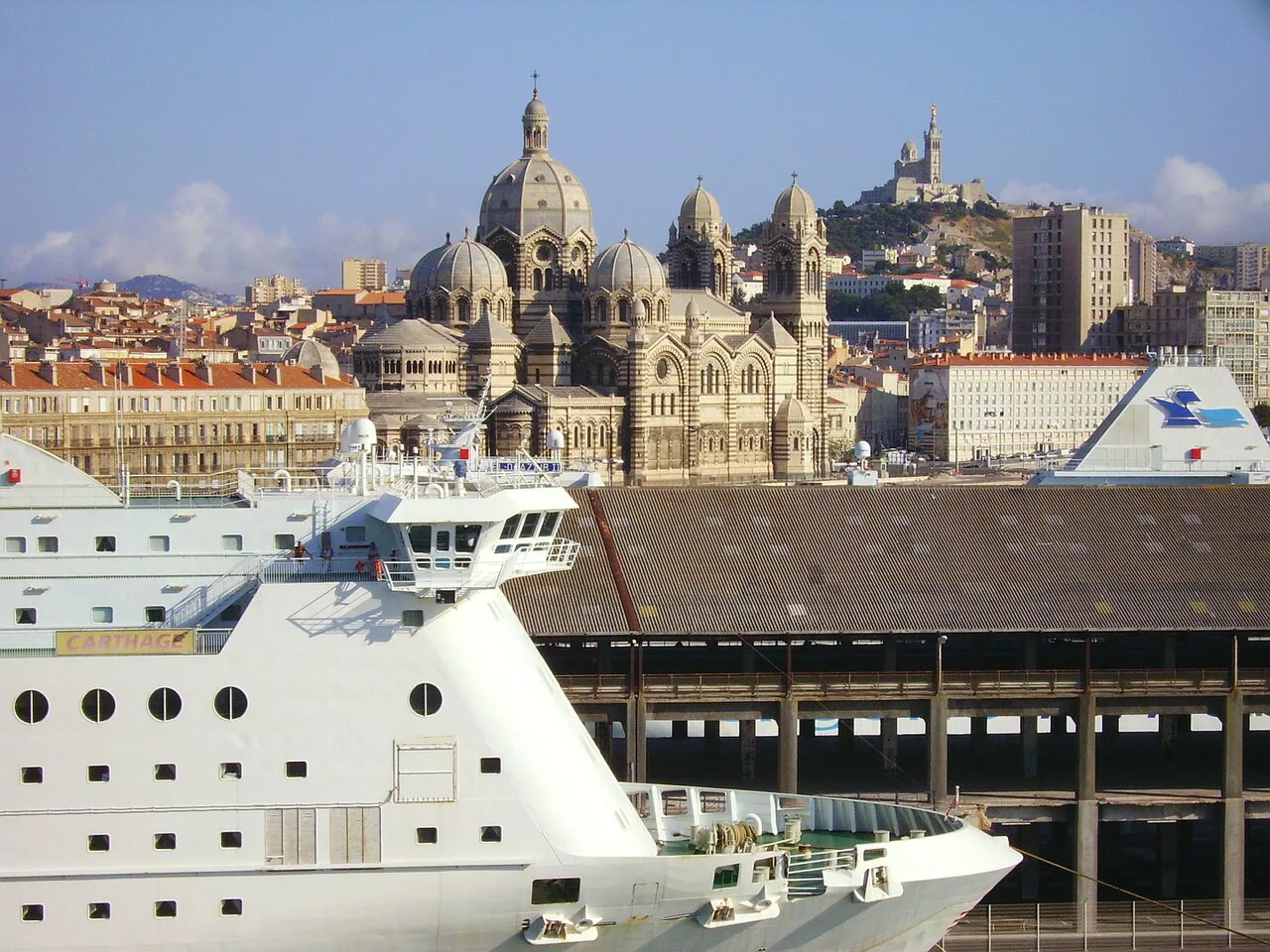
The Old Port, Fort Saint-Jean, the Cathédrale de la Major and the Panier all sit within a comfortable walk of the MuCEM esplanade, which is why La Joliette earns a place on a short-break itinerary even if you sleep elsewhere. A booking-site listing puts Fort Saint-Jean about 1 km from a Joliette hotel and the Vieux-Port about the same, which matches the feel on the ground.
Walking east from the waterfront towards the Panier takes you into older streets and the climb towards La Canebière, so you can link the new district to the historic centre in one loop without a metro ride.
Build the loop the other way round if you prefer: old centre in the morning, La Joliette in the afternoon, ending at the water for sunset.
Getting there and around
Joliette metro station and Gare de la Joliette are the two transport anchors, with the hotel listing noting the metro stop within about 200 metres of Avenue Robert Schuman and the station about 550 metres away. Saint-Charles mainline station is roughly 1.2 km off, which is a walkable transfer with light luggage.
Once you are in the district, everything on this page is within a compact walk, which is the main practical argument for staying here. Check current metro and rail timetables with the RTM and SNCF before you travel.
Where to base yourself
The Best Western Plus Hotel La Joliette at 49 Avenue Robert Schuman puts you between the metro, the malls and the waterfront, and is the kind of base that suits a trip built around museums and shopping.
If you would rather sleep among the old streets, choose the Panier or the Vieux-Port and treat La Joliette as a half-day.
Honest trade-offs
The Euroméditerranée rebuild is ongoing, so parts of the district still look like a building site, and the business towers give some streets an office-hours feel rather than a neighbourhood one.
What you get in exchange is space, water views, big institutions and easy transport — a combination that few other Marseille quarters offer at this scale.
Plan Your Visit
Give La Joliette one morning or afternoon: the MuCEM and the Avenue Vaudoyer museums first, the waterfront walk second, then a mall or the Marché des Docks if the weather turns. Sleep here only if museums, shopping and metro access matter more to you than old-street atmosphere.
Pair it with the Panier for the contrast and with Cours Julien for an evening out, and check opening days, market mornings and venue programmes directly before you build a schedule.
Explore more Marseille guides
Frequently Asked Questions
Is La Joliette worth visiting in Marseille?
Yes, for a half-day focused on the MuCEM, the Avenue Vaudoyer museums and the waterfront. It is a rebuilt district rather than an old quarter, so pair it with the Panier if you want historic Marseille.
What is there to see in La Joliette?
The MuCEM on Promenade Robert Laffont, the Villa Méditerranée and Fondation Regards de Provence on Avenue Vaudoyer, the CMA-CGM tower by Zaha Hadid, the FRAC on Boulevard de Dunkerque, and the shops and Marché des Docks around Place de la Joliette.
Where should I eat in La Joliette?
Le Môle Passedat on the MuCEM roof, Toïa on Quai de la Joliette and Flower Burger on Avenue Robert Schuman are the named options in the district, with the Place de la Joliette area handy for a quick lunch between sights.
Is La Joliette walkable from the Old Port?
Yes. Fort Saint-Jean and the Vieux-Port are each about 1 km from the Avenue Robert Schuman side of the district, and the whole waterfront loop is easily done on foot.
Which metro station serves La Joliette?
Joliette metro station serves the district, with Gare de la Joliette also nearby and Saint-Charles mainline station about 1.2 km away.