
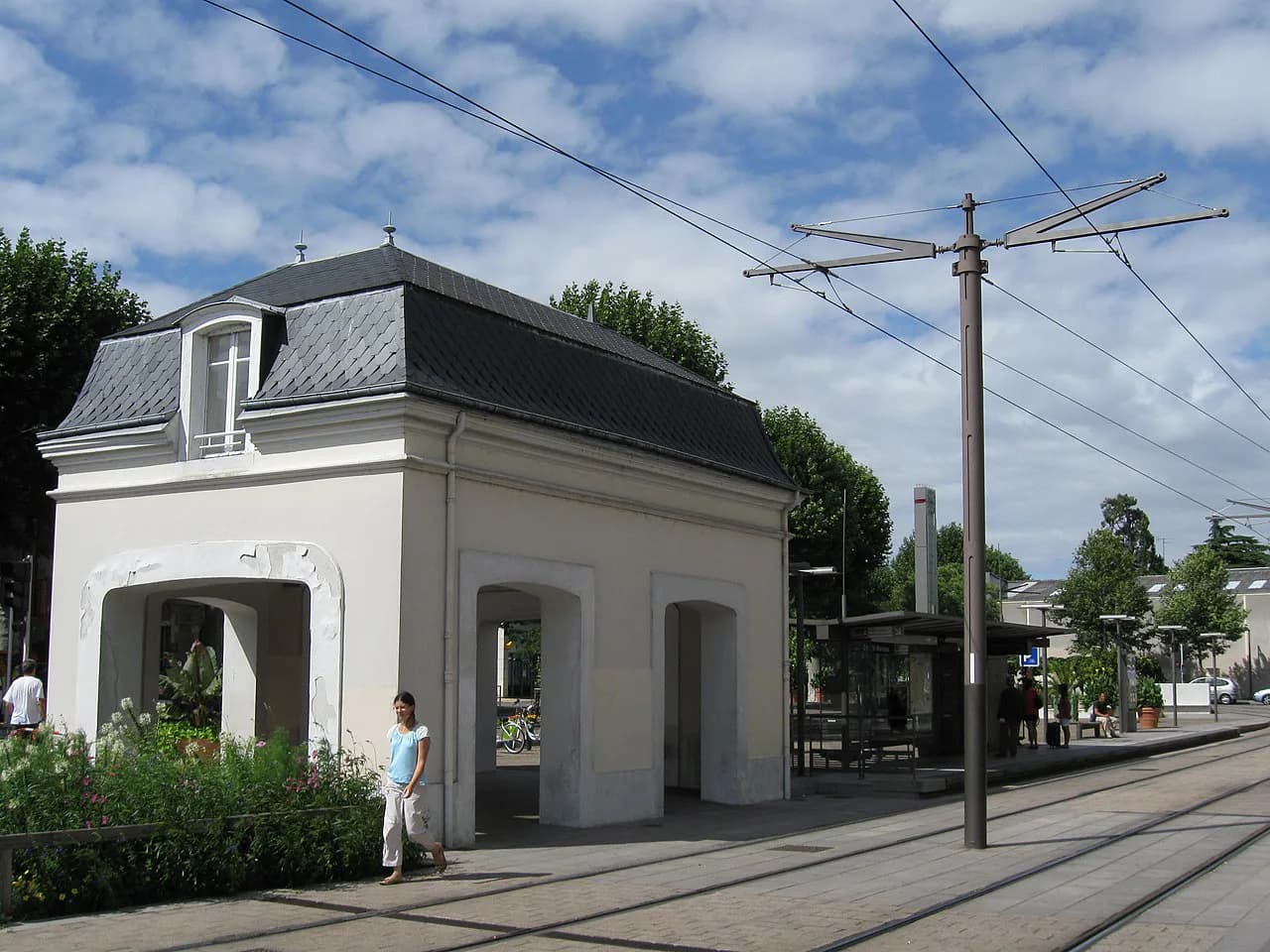
Saint-Marceau, Orléans: The Quiet South-Bank District

Saint-Marceau is the district of Orléans that spreads along the south bank of the Loire, opposite the historic centre. Its landmark is the Église Saint-Marceau, a Catholic church attached to the parish of Sacré-Coeur, and the river lies a short walk north. Treat it as a quiet base rather than a sightseeing quarter: the cathedral, Place du Martroi and the timbered lanes of the old town are all on the far bank.
That geography shapes how a weekend here feels. You gain space, greenery and the riverside paths towards Parc de Loire, and you give up stepping out of your door into the postcard streets. It is a fair trade for anyone who wants the Loire on the doorstep and does not mind a river crossing each time they head for the centre.
Where Saint-Marceau sits in Orléans
Orléans lies in the Loiret department of the Centre-Val de Loire region, on the Loire itself. The city divides along the river: the historic centre with its cathedral and main square is on the north bank, while Saint-Marceau occupies the southern side. The broader spread of districts is mapped out in the four area guides to Orléans Neighborhoods, which help you place Saint-Marceau against the rest.
For a visitor, the useful mental model is a short walk north to the water, a crossing, and then the old town. Nothing in the district competes with the cathedral as a monument, and that is the point. If you want to be inside the sightseeing zone from the moment you arrive, look at the north-bank quarters instead and plan a morning here rather than a stay.
Who the district suits and who it does not
Saint-Marceau rewards travellers who value calm over convenience. It suits couples and families who want green space, river air and a car parked without drama, and anyone content to walk or cycle to the centre rather than fall out of a hotel into it. The district is residential, so evenings are quiet and the streets are not built around visitors.
It suits less well anyone whose weekend is a checklist of cathedral, old-town squares and museum ticket desks. Those sights cluster on the north bank, and you will cross the Loire every day to reach them. If that sounds like friction, base yourself centrally and come south for the river and the church instead.
Église Saint-Marceau, the district's landmark
The Église Saint-Marceau is the one named sight in the area and the anchor of the neighbourhood. It is a Catholic religious building in Orléans, recorded as such in the city's heritage listings, and it belongs to the parish of Sacré-Coeur within the Orléans Sud Sologne grouping. Build a visit around the church itself rather than around a schedule, and confirm mass times with the parish before you set out.
In August the church is decorated with flowers for the Fête de la Saint-Fiacre, the patronal celebration of gardeners, and visitors describe it as a particularly striking moment to see the building. Dates for the fête shift from year to year, so check the parish calendar for the current year's timing. Outside that period, the appeal is the church's own architecture and the peaceful, local feel of the surrounding streets.
The Loire bank and Parc de Loire
The river is the district's real reason to stay south. Paths run along the Loire in both directions from Orléans, and they are free, flat and good for an early walk or a slow evening. Orléans also sits directly on the Loire à Vélo long-distance cycling route, which stretches more than 900 kilometres through the valley, so you can ride a section without committing to the whole thing.
Further along the bank, Parc de Loire is a large natural area with walking trails, cycling routes, picnic spots, a sandy beach and a children's playground. It feels wilder than its distance from the city suggests, which makes it a good half-day for families or anyone travelling with a dog. Bring lunch from a bakery and treat it as the district's outdoor living room.
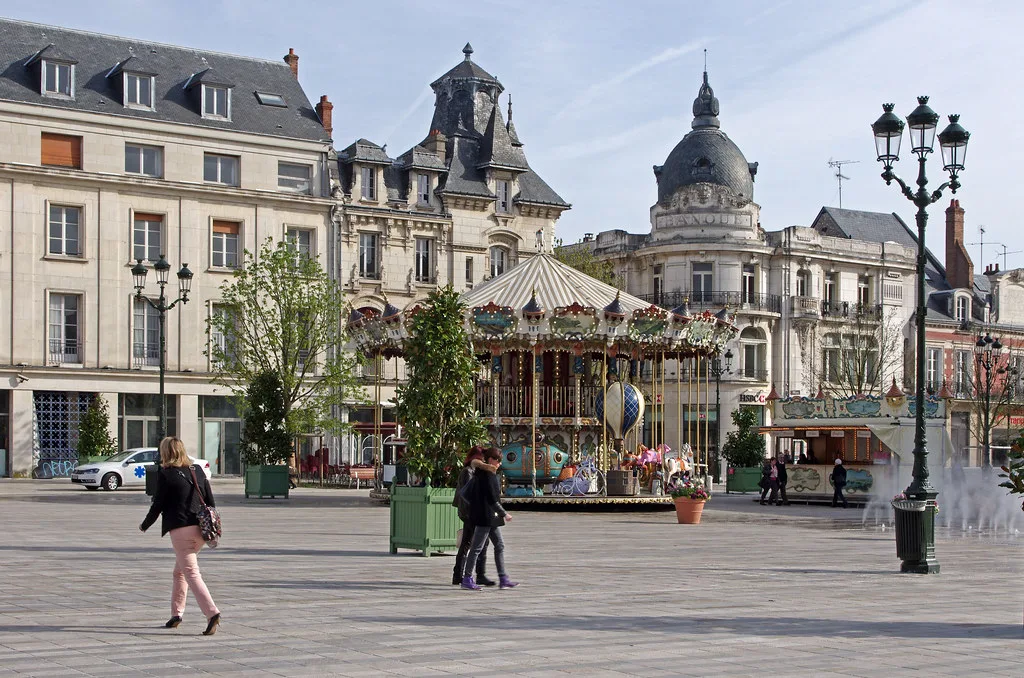
Crossing to the centre: cathedral and Place du Martroi
The historic centre is a walk away across the Loire, and it is compact once you arrive. The Cathédrale Sainte-Croix d'Orléans is free to enter and opens daily, with stained glass that references Joan of Arc and the siege. Nearby, Place du Martroi holds the equestrian statue of Joan of Arc and is the square you will keep returning to.
The old town itself is small, a legacy of wartime destruction, so a couple of hours covers the headline streets on foot. Rue de la Poterne gives a framed view down to the Loire, and the timbered houses around Place du Châtelet reward a slow detour. From Saint-Marceau, plan the crossing as part of the day rather than a quick errand.
Eating in and around Saint-Marceau
Chez Meumeu, near Parc de Loire, is the practical lunch stop on this side of the river. It serves generous portions with friendly service, offers lunch menus and daily specials, and caters for vegetarians on request. Dogs are welcome in the alfresco area, which makes it a natural pause on a river walk with a pet.
For a wider choice, the north bank does the heavy lifting: Rue de Bourgogne is the restaurant and bar street where locals gather in the evening, and Rue des Carmes adds another cluster of places to eat. Both are a crossing away rather than on the doorstep, so decide whether you want dinner close to your bed or close to the old town.
Where to base yourself in the district
Hotel Escale Oceania Orléans sits beside the Loire just outside the historic centre, which makes it a sensible fit for this district. It offers free parking at the back of the hotel, welcomes dogs and babies, and has gardens at the front that work well for an evening drink. Rooms here are generally better value than equivalent accommodation in Paris.
The trade-off is location: you are riverside rather than in the old town, so the cathedral and Place du Martroi mean a walk and a bridge. For drivers and dog owners that is often worth it, since parking in the centre is the bigger headache. If you would rather wake up among the sights, the sibling guides to Carmes, Orléans and Bourgogne, Orléans cover the central quarters. The same riverside-versus-centre trade-off shapes a stay in Blois, so it is worth weighing the things to do in Blois before you commit.
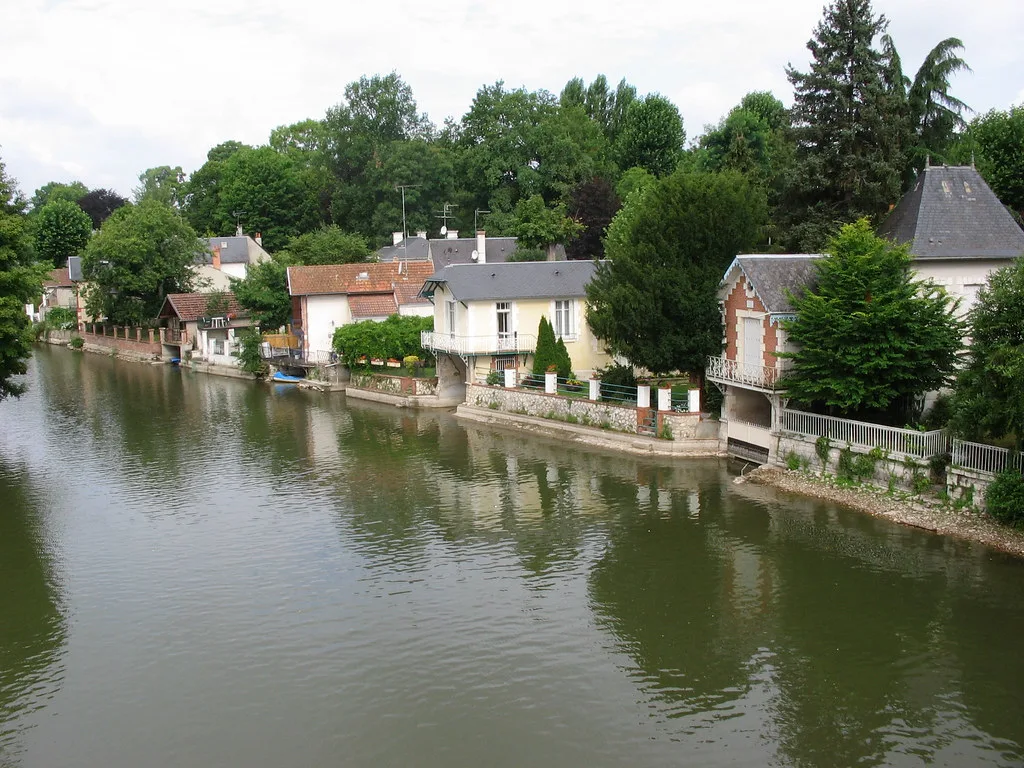
A half-day plan from Saint-Marceau
Start at the Église Saint-Marceau, then walk north to the Loire and follow the bank towards Parc de Loire for the trails, beach and picnic spots. Loop back for a relaxed lunch at Chez Meumeu, then cross the river for the Cathédrale Sainte-Croix and Place du Martroi in the afternoon. It is a gentle sequence with no need for transport until the final crossing.
If you have a second day, use it for the old town properly: the Musée des Beaux-Arts d'Orléans holds one of France's largest pastel collections after the Louvre, and a combined museum ticket covers several city museums for a single day. The wider picks are set out in Things to Do in Orléans and the Orléans Attractions: 6 Visitor Guides hub. Keep one day free for the river rather than filling every hour.
Practical trade-offs before you book
Museum and church rhythms matter here. Several Orléans museums close on Mondays or Tuesdays and some smaller Loire châteaux keep the same pattern, so check the specific site before building a day around it. Sunday can also be quiet for shops in French cities, so plan market and boutique browsing for a weekday or Saturday where you can.
Getting to Orléans is straightforward: direct trains from Paris Austerlitz take around an hour, and by road it is roughly 90 minutes from Paris on the A10. From Saint-Marceau, walking and cycling cover most needs, with the riverside paths doing double duty as your route into town. If you are heading further into the Loire, the southern base makes an easy exit by car.
Is Saint-Marceau Right for Your Weekend?
Choose Saint-Marceau if you want the Loire outside your window, a car parked for free and a church-and-river morning before the crowds arrive. It is quiet, residential and genuinely pleasant, and the walk across the river is short enough to do twice a day without resentment. Base here for the calm and accept that the old town is a crossing away.
Choose the north bank instead if your weekend is built around the cathedral, the museum ticket desks and dinner on Rue de Bourgogne. Either way, treat Saint-Marceau as a half-day of church, flowers in August and river path rather than a sightseeing district in its own right.
Frequently Asked Questions
Where is Saint-Marceau in Orléans?
Saint-Marceau is the district on the south bank of the Loire in Orléans, opposite the historic centre. The cathedral, Place du Martroi and the old town are across the river, while the Église Saint-Marceau and the riverside paths towards Parc de Loire are in the district itself.
What is there to see in Saint-Marceau?
The main sight is the Église Saint-Marceau, the district's Catholic church in the parish of Sacré-Coeur. The other draw is the Loire itself: the riverside paths and Parc de Loire, with walking trails, a beach, picnic areas and playgrounds. In August the church is decorated with flowers for the Fête de la Saint-Fiacre.
Is Saint-Marceau a good area to stay in Orléans?
It suits travellers who want quiet, green space, river air and easy parking rather than stepping straight into the old town. Hotel Escale Oceania Orléans sits by the Loire with free parking and welcomes dogs and babies. If you want the cathedral and main square on your doorstep, a central district will fit better.
How do you get from Saint-Marceau to Orléans old town?
Walk north to the Loire and cross the river; the historic centre is compact once you are there. Cyclists have it easier, since Orléans sits on the Loire à Vélo route and the riverside paths connect the district to the centre. Direct trains from Paris Austerlitz reach Orléans in around an hour if you are arriving from outside the city.
When is mass at Église Saint-Marceau?
Mass times vary. Theodia lists the Église Saint-Marceau under the parish of Sacré-Coeur and is the practical place to check schedules before planning a visit around the church.
What should you eat near Saint-Marceau?
Chez Meumeu, near Parc de Loire, is the closest thing to a district canteen: generous portions, lunch menus, daily specials and vegetarian options on request, with dogs allowed in the alfresco area. For a wider choice of restaurants and bars, cross the river to Rue de Bourgogne or Rue des Carmes.