
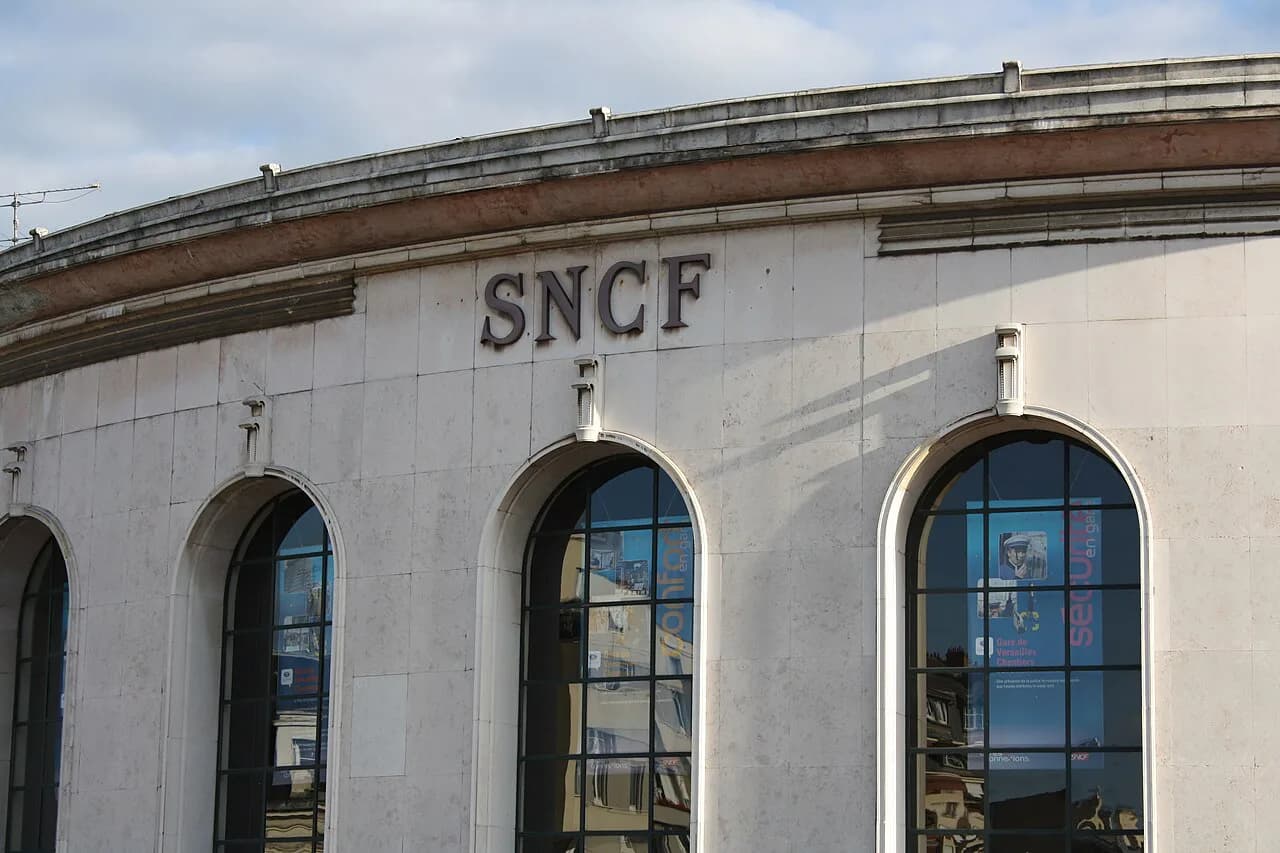
Quartier des Chantiers, Versailles

The Quartier des Chantiers is the district wrapped around the Gare de Versailles Chantiers, on the southern, station side of Versailles rather than the château side. It earns its place in a weekend plan as a practical rail base and a slice of ordinary French town life, not as a sightseeing quarter in its own right. Travellers who want grand avenues and palace gates on the doorstep should base themselves closer to the Château de Versailles.
What the Quartier des Chantiers is
This is a station neighbourhood first and a visitor attraction second. Its identity comes from the Gare de Versailles Chantiers, one of the town's main railway stations, and from the streets, housing and local services that grew up around it. As a base it is functional and well connected; as a place to wander for its own sake, it is modest.
Judge it as a location decision rather than a sight. If your priority is stepping off a train and being minutes from your bed, Chantiers makes sense. If your priority is waking up beside the palace gates and strolling to the Château, it does not.
Where it sits and how it is laid out
The quartier sits on the south side of Versailles, separated from the château and the formal town centre by the body of the town in between. The station is the anchor, and the surrounding streets fan out from it into residential blocks and local commerce.
Think of the area as a hub with spokes: everything orients around the Gare de Versailles Chantiers, and the useful routes for a visitor are the ones that lead north and west towards the centre and the palace. The neighbourhood is grouped with Chantiers-Prochefontaine in local area listings, so if you explore the adjoining Porchefontaine district you are staying in the same southern band of town.
Getting there and getting around
You arrive at the Gare de Versailles Chantiers, which is the natural gateway for this side of Versailles. From the station, the centre and the Château de Versailles are reached on foot or by local transport; the walk is a real one rather than a two-minute hop, so plan it as part of the day rather than an afterthought.
Once you are in the quartier, everything local is walkable. The trade-off is that the quartier is a means to reach Versailles rather than a destination to loop around; you will spend more time walking out of it than within it. Check the current bus and train arrangements for your dates before you travel.
Arriving from Paris: what the Chantiers approach means
Coming from Paris, arriving at Versailles Chantiers puts you on the southern flank of town, with the palace still a walk away. That makes it a sensible arrival point if your accommodation is here, and a slightly indirect one if your first stop is the Château.
The practical call is this: if you are staying two nights in the quartier, arrive here and walk in each morning; if you are day-tripping to the palace and gardens, plan your route to the château side from the outset. Either way, the rail link is the neighbourhood's strongest card for a short break. If you are comparing château towns across the region, the same base-versus-sight decision comes up in our Fontainebleau city guide.
What is within walking distance
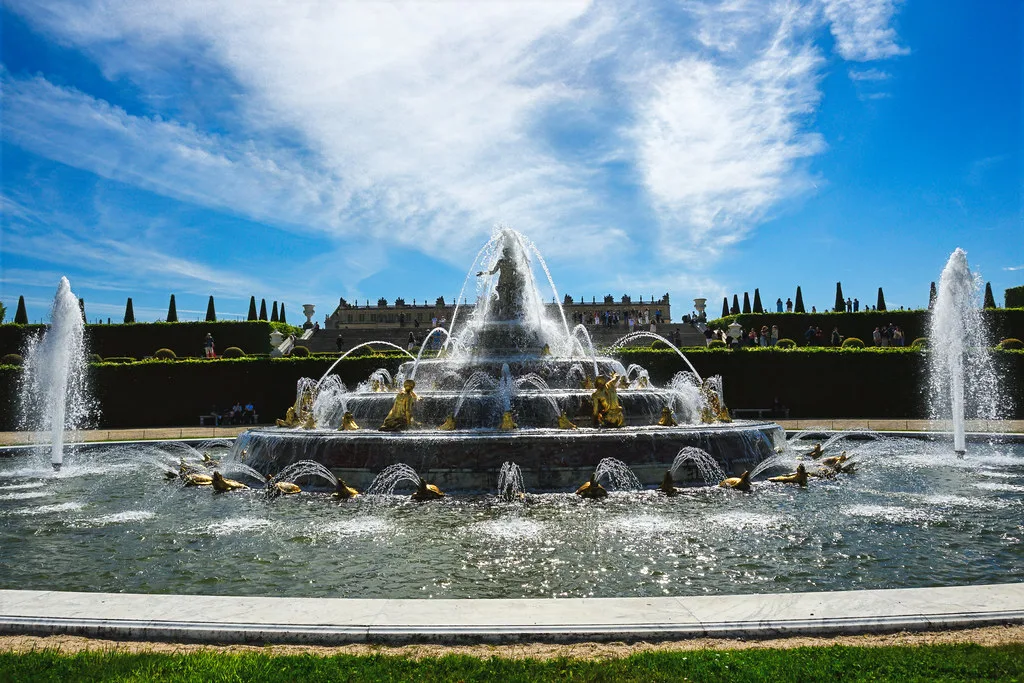
From the station you can walk into the centre of Versailles and on to the Château de Versailles and its gardens, though the distance means comfortable shoes and a bit of time. The walk takes you through ordinary Versailles streets rather than the manicured approaches used by coach tours.
For visitors weighing up a château-side base, the Quartier Saint-Louis puts you within a short stroll of the palace and the market streets, a very different proposition from the station district. The Quartier Montreuil, to the east, is another residential alternative with its own character. Use the Versailles Neighborhoods: 4 Area Guides overview to compare them side by side.
Who the quartier suits
Chantiers suits travellers who value the rail link above all, who want a quieter, more everyday evening than the tourist core offers, and who do not mind a walk to reach the sights. It also works well for repeat visitors who have already done the palace circuit and want to see how Versailles actually lives.
It suits less well anyone whose ideal weekend is a hotel room within sight of the palace gates, or who wants restaurants and boutiques on the doorstep. Those travellers should look at the château side of town. If you want the full menu of sights and practicalities, use the Versailles Attractions: 5 Visitor Guides pages alongside this one.
Eating in the quartier
Expect a station-district food scene: everyday bakeries, cafés and local restaurants serving the people who live and work here, rather than destination dining. That is part of its charm if you want a normal French lunch, and a limitation if you want a memorable dinner.
For a special evening, head into the centre of Versailles, where the choice is broader. This page deliberately does not list individual venues; the city-wide guides cover eating and where to stay, so use those to plan meals and your bed for the night.
The everyday quartier: the Maison de quartier des Chantiers
The neighbourhood's community anchor is the Maison de quartier des Chantiers, run by the Comité de Sauvegarde et d'Animation de Versailles Chantiers (CSAVC). It is the kind of local institution that tells you this is a lived-in district rather than a tourist set piece, and it sits at the heart of the quartier's associational life.
The association's site also carries pages on the quartier's history and events. For a visitor, the value is context: it explains why the area feels the way it does and what the community around the station is trying to preserve. Check the site directly for what is currently on and when.
A short history and the redevelopment debate
Chantiers has long been the station quarter of Versailles, and its story is bound up with the railway that still defines it. That history explains the area's practical, slightly workaday feel and its role as the town's southern gateway.
The area has also been the subject of a long-running redevelopment debate. A 2016 forum post captured the anxiety of the moment, arguing that the quartier was already expensive and risked becoming unaffordable, with the station at the centre of the change.
Read that as dated opinion, not a description of the neighbourhood today. It is useful for understanding why residents care about the area's future, but it should not shape expectations of what you will find on the ground now. Spend a few minutes on the association site instead if you want the community's own account.
The practical rhythm
The rhythm of the quartier follows the station: busy with commuters at peak times, calmer in between, and quiet in the evenings compared with the centre. That makes it a restful base if you are out sightseeing all day and want somewhere unfussy to come back to.
Time your arrivals and departures around the commuter flow so you are not dragging luggage through the busiest moments. Beyond that, there is little here that needs scheduling; the point of staying in Chantiers is that you do not have to time anything at all.
Honest trade-offs: a working station district
The central trade-off is character versus convenience. Chantiers gives you the rail link and a genuine slice of local life, but not the postcard Versailles of royal squares and gilded gates. You will walk to the sights, and you will see more of ordinary town than of the palace.
If that sounds like a fair exchange, book here and use the walks into town as part of the trip. If it does not, the château-side quartiers are the better fit, and the neighbourhood overview will help you choose between them without overselling any of them.
Does Chantiers Earn a Place in a Weekend Plan?
The Quartier des Chantiers earns its place as a practical base for a Versailles weekend, particularly for travellers arriving by train and happy to walk to the sights. It is not the Versailles of the postcard, and it does not pretend to be.
Choose it for the rail link and the everyday calm, and choose the château side if you want the palace on your doorstep. For hotels, restaurants and the rest of the planning, the Versailles city guide and the wider neighbourhood pages carry the detail this page deliberately leaves out.
Frequently Asked Questions
Where is the Quartier des Chantiers in Versailles?
It is the district around the Gare de Versailles Chantiers, on the southern, station side of Versailles, away from the château and the formal centre. You reach the palace on foot or by local transport.
Is the Quartier des Chantiers a good base for a Versailles weekend?
It suits travellers who value the rail link, quieter evenings and a more everyday setting. It is less suitable if you want to step out of your accommodation straight into the palace quarter, which is a different part of town.
How do you get from the Quartier des Chantiers to the Château de Versailles?
The palace and gardens are within walking distance through the centre of Versailles, or you can use local transport. Check current bus and train arrangements for your dates.
What is there to see in the Quartier des Chantiers itself?
The quartier is a lived-in station district rather than a sightseeing quarter. Its community anchor is the Maison de quartier des Chantiers, run by the CSAVC, and the area's interest lies in its everyday life and railway history rather than in monuments.
Is the Quartier des Chantiers quiet at night?
It is generally calmer in the evenings than the centre, with activity following the station's commuter rhythm. Its daytime character is practical and busy around peak travel times.