

Angers Attractions: 6 Visitor Guides
Angers's fortress-like château holds the medieval Apocalypse Tapestry, with the cathedral, the Saint-Serge abbey, the Collégiale Saint-Martin and the Jardin des Plantes nearby. These guides cover each one.
Angers attraction guides
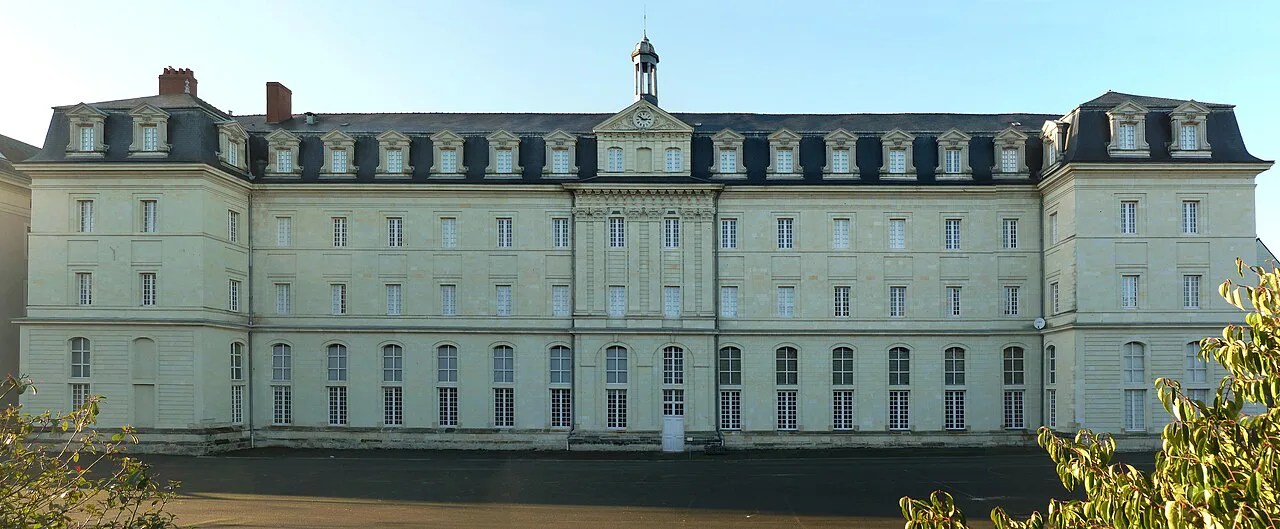
Abbaye Saint-Serge Angers Guide: What to See at the Abbey
The Abbaye Saint-Serge is a former Benedictine monastery on the north side of Angers whose abbey church still serves the parish. The visit centres on a 13th-century choir of six soaring columns, a Flamboyant 15th-century nave and a Romanesque transept, and it fits easily into a half-day alongside the Jardin des Plantes.
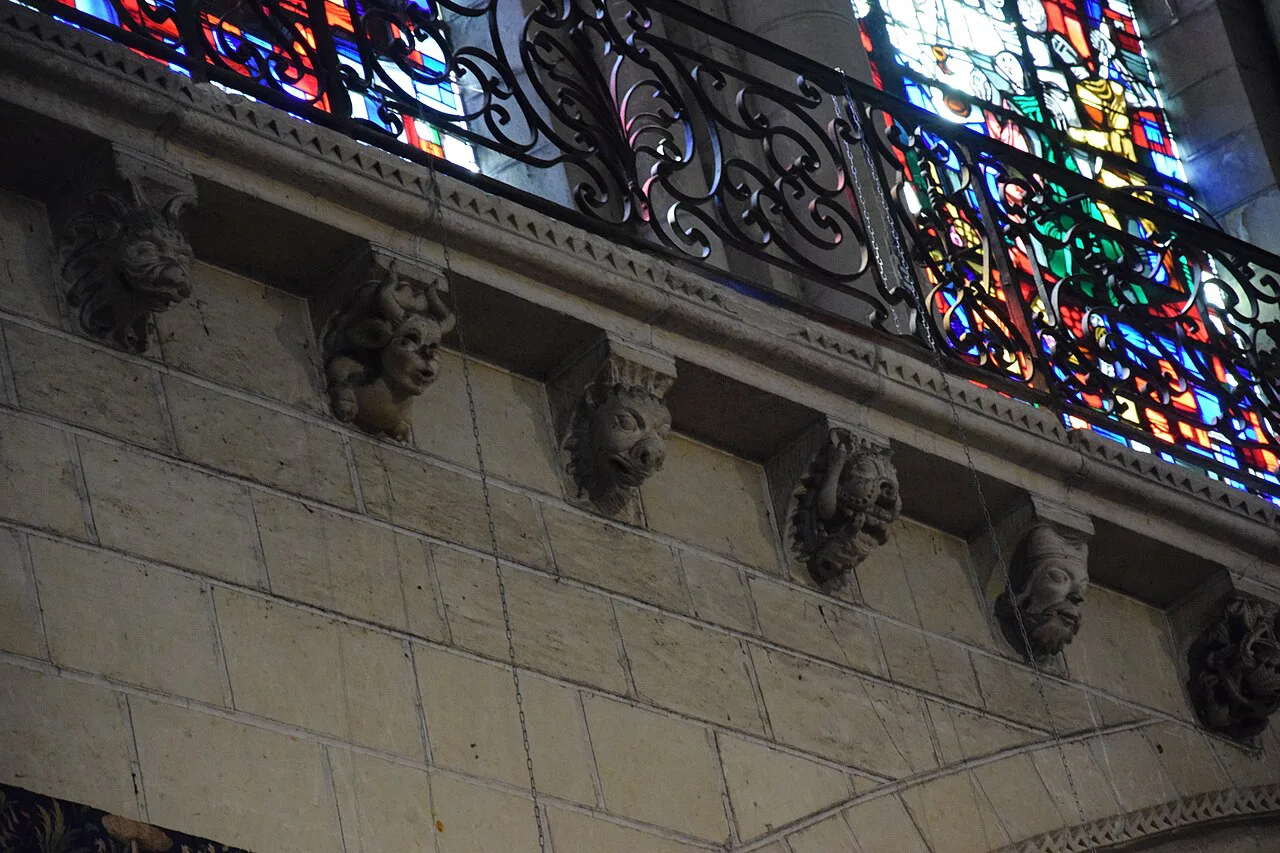
Angers Cathedral: What to See at Saint-Maurice
Angers Cathedral is a Romanesque and Gothic building in the old city, and its western portal now sits behind a 2020 concrete gallery by Kengo Kuma. Plan around the portal, the nave and a short walk to Angers Castle.
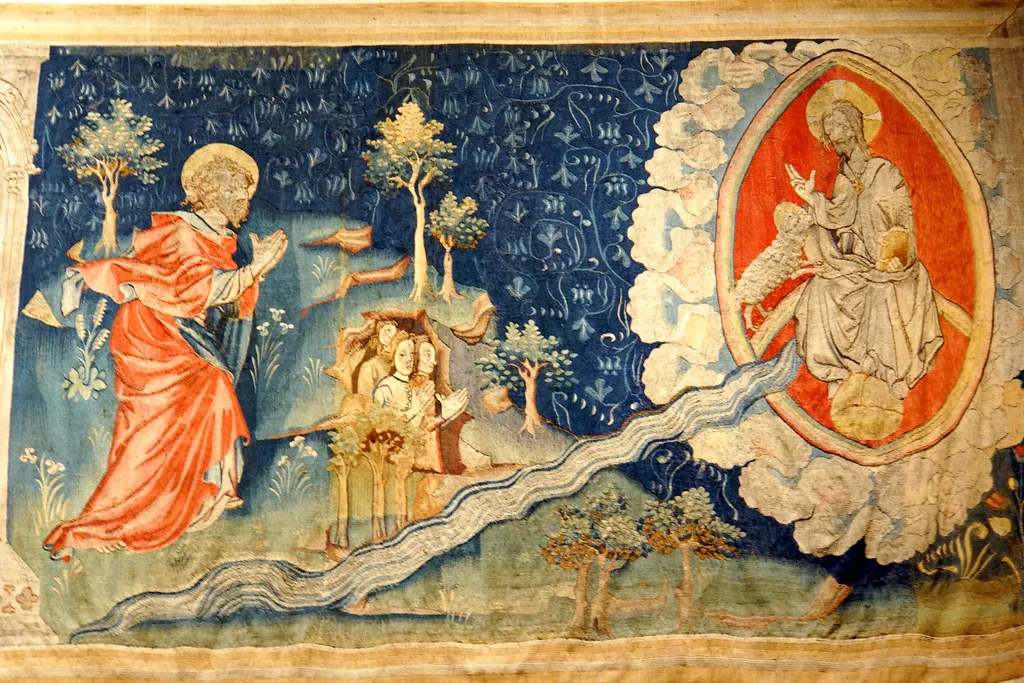
Apocalypse Tapestry, Angers: Visiting the Château Display
The Apocalypse Tapestry hangs inside the Château d'Angers, a set of enormous medieval panels weaving the Book of Revelation into scenes of St John's visions. Here is what survives, how to read the hang and how much time to give it within a weekend in Angers.
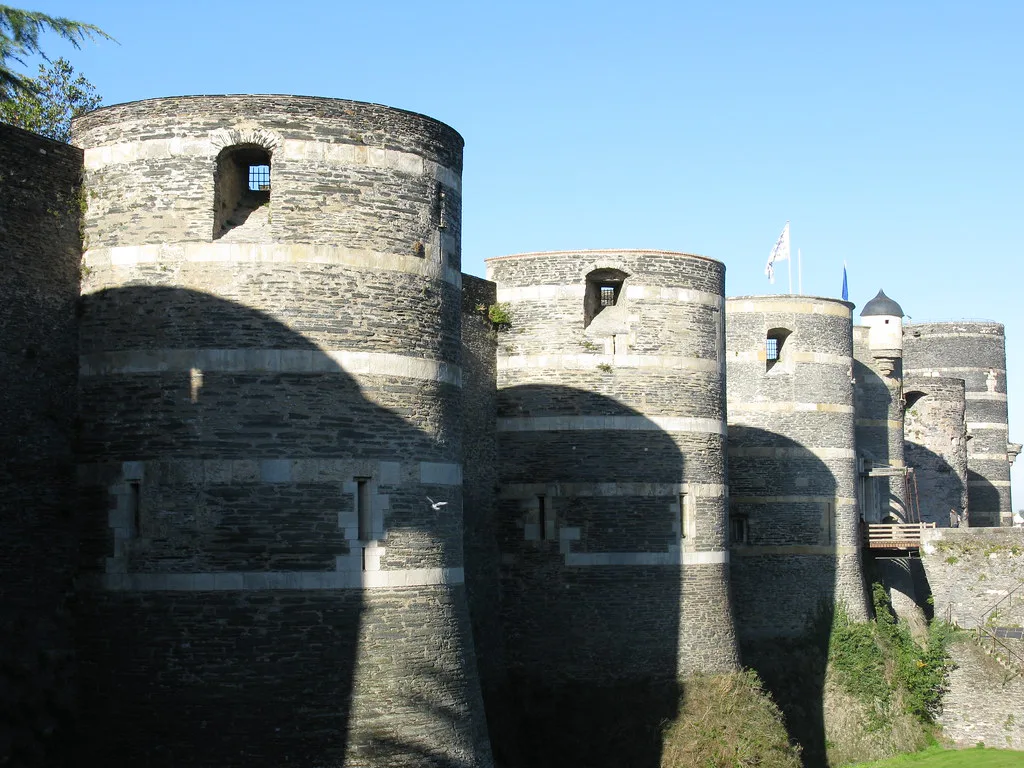
Château d'Angers: What to See Inside the Fortress
The Château d'Angers is a vast medieval fortress on high ground above the River Maine, built around a courtyard under Saint Louis and home to the 104-metre Apocalypse tapestry. Here is what to see, how long to allow and what to check before you travel.
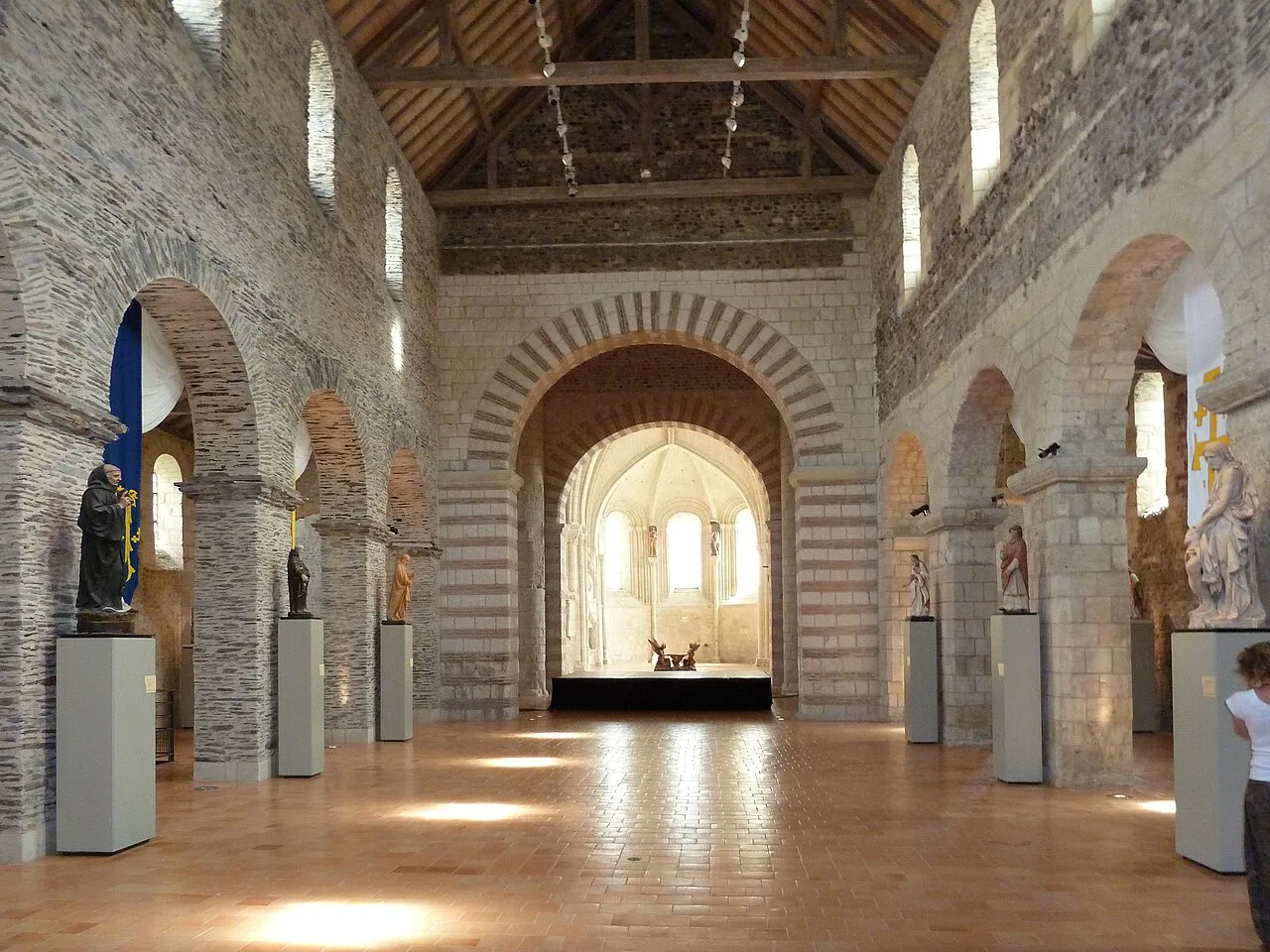
Collégiale Saint-Martin, Angers: Visitor Guide
The Collégiale Saint-Martin is a former collegiate church at 23 rue Saint-Martin in the heart of old Angers, visited for its surviving architecture, its crypt and a display of statues. Allow around an hour, confirm current opening hours and admission with the venue, and pair it with the château a short walk away.
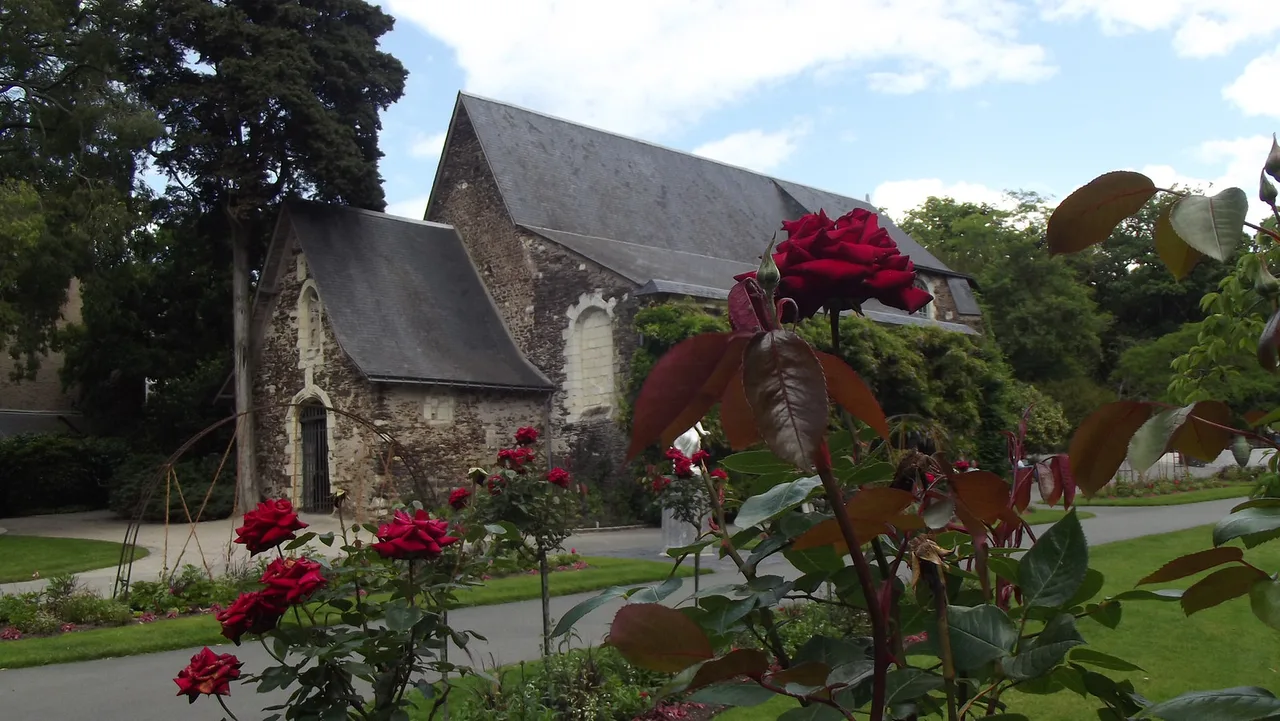
Jardin des Plantes Angers: Garden Guide & Tips
The Jardin des Plantes is Angers' botanic garden in the Saint-Serge quarter, behind the congress centre. Expect flowering beds, a historic tree collection and a scientific origin story, and allow a short, focused hour rather than a half-day.