
Saint-Trophime in Arles: What to See at the Romanesque Church
Saint-Trophime is the Romanesque church on Place de la République in the heart of Arles, and the reason to step inside is the sculpture: a carved west portal widely regarded as one of the finest works of Provençal Romanesque art. It sits minutes from the Roman monuments, so it slots easily into a half-day circuit of the old town rather than demanding a trip of its own.
The building is easy to misread. It is a parish church today, but it was a cathedral, it holds relics that tied it to the pilgrimage road to Compostela, and its Gothic choir sits oddly against the Romanesque nave. Knowing that before you arrive turns a quick look round into a proper visit of 30 to 60 minutes.
What Saint-Trophime is and why it matters in Arles
The city's heritage service describes Saint-Trophime as one of the most important buildings of the Provençal Romanesque domain, and as a relic church on the route to Compostela. That combination explains the ambition of the façade: this was a stopping point for pilgrims, not just a local parish church.
Construction ran from the 12th century into the 15th, which is why the Romanesque body of the church ends in a Gothic choir. If you only look at the west front you will come away thinking the whole building is Romanesque; walk to the east end and the change of style is obvious.
Where it is: Place de la République and the approach on foot
The church stands at 6, place de la République, according to the parish listing of its churches. The square is the civic centre of the old town, which makes Saint-Trophime the natural anchor for a walking circuit rather than a detour.
You do not need transport to reach it: the Roman monuments, the riverfront and the old streets all lie within easy walking distance, so most visitors arrive on foot between other sights. Approach from the square for the full effect of the façade rather than slipping in from a side street.
The west portal and its sculpture
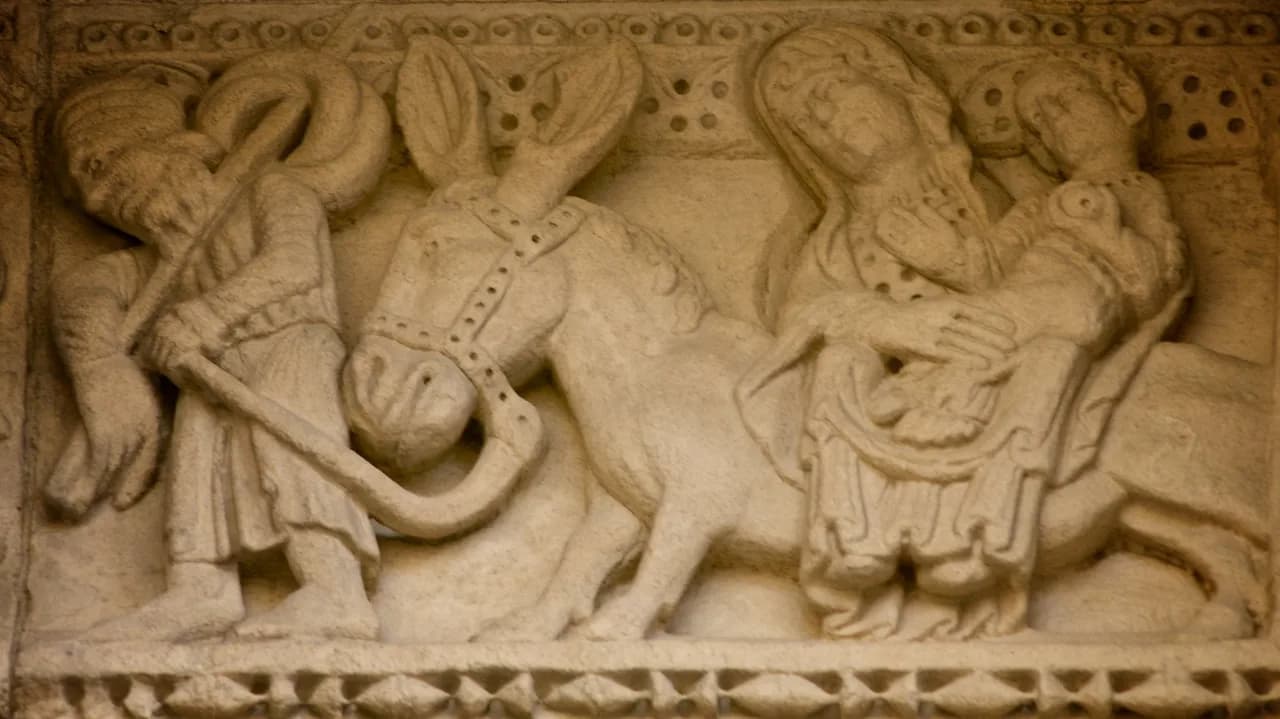
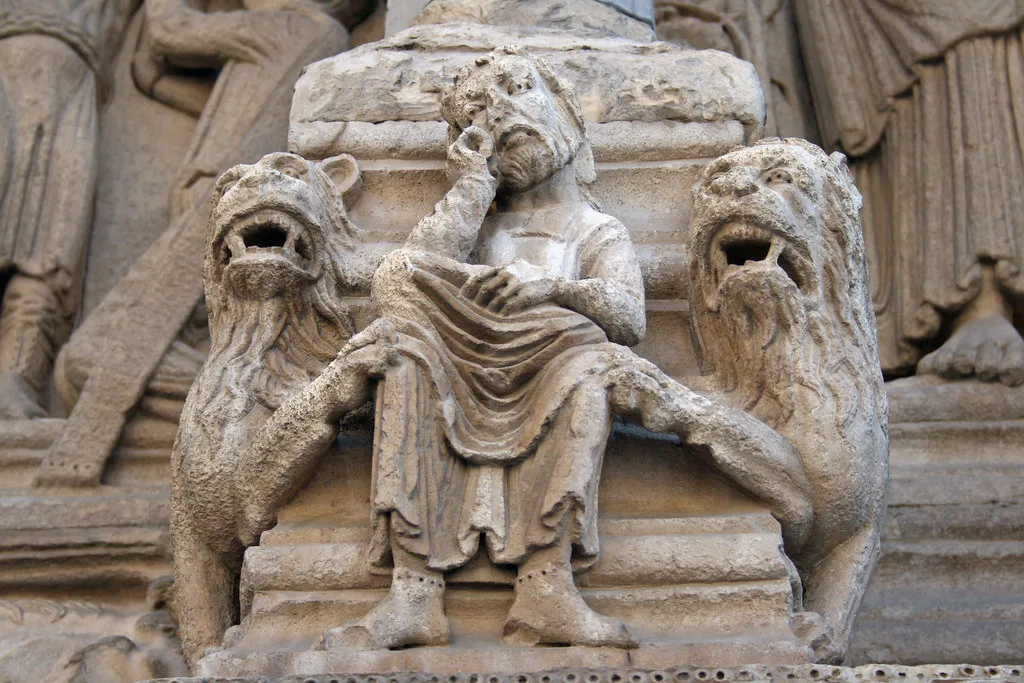
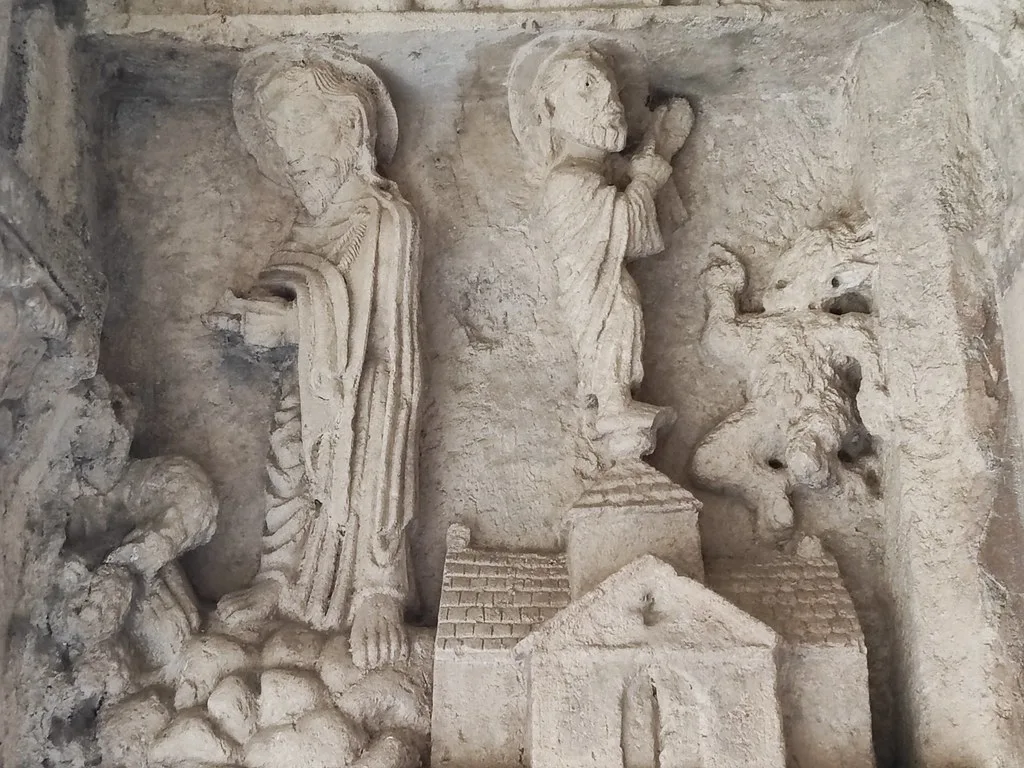
The west portal is the highlight, a deep recessed doorway packed with carved figures and closely tied to the church's status as a pilgrimage station. Give it time before you go in: read the tympanum and the jambs from a few paces back, then close up, because the detail at eye level is easy to walk past. The city heritage page is the place to check the sculpture's place in Romanesque art before or after your visit.
Inside the church: nave, Gothic choir and relics of Saint Trophimus
Inside, the contrast between the Romanesque nave and the later Gothic choir is the thing to look for, and it makes sense of the building's long construction history. Look east to see where the styles meet, then turn back towards the west end to compare proportions.
The church is dedicated to Saint Trophimus, and its relics gave Arles a place on the Compostela route. That pilgrim function shaped the layout and the sculpture, so treat the interior as part of the same story as the portal rather than a separate stop.
It remains an active Catholic church in the parish of Arles, alongside Saint-Césaire, Notre-Dame de la Major and others listed by the parish. Visitors should keep that in mind and dress and behave accordingly, especially during services, when sightseeing has to wait.
The cloister and its relationship to the church
The cloister is a separate experience from the church: a covered walkway of carved capitals that repays slow looking rather than a quick lap. Treat it as its own visit with its own entrance arrangements, and budget time for it on top of the church itself. Check the current access and any charge on site or through the Arles tourist office before you go, since these can change with the season.
How much time to allow and when to go
Allow 30 to 45 minutes for the church and portal, and add a further 30 minutes if you plan to see the cloister properly. That makes Saint-Trophime a comfortable hour-long stop rather than an all-morning commitment, which matters when you are fitting in the amphitheatre and the Roman theatre the same day.
Mornings are the calmer choice for the square, before groups build up around the portal, and the light on the west front is better earlier in the day. Avoid timing your visit to coincide with mass, when the church is in use for worship rather than visiting. Confirm current opening times locally, as they vary through the year.
Nearby: Alyscamps, the amphitheatre and other Arles sights
The Roman amphitheatre and the Roman theatre are both a short walk from Place de la République, so you can combine the church with the city's Roman layer in a single morning. The Alyscamps, the ancient burial avenue outside the old walls, is a longer walk but belongs to the same pilgrimage story as Saint-Trophime's relics.
For contemporary art, LUMA Arles at the Parc des Ateliers makes a strong counterpoint to the Romanesque carving and is worth an afternoon in its own right. The Fondation Vincent van Gogh Arles covers the painter's connection to the city in a compact space.
Practical points: checking current opening times and entry arrangements
Opening hours, any entry charge and cloister access are not fixed facts you can rely on from a guide, so check them at the church door, with the parish, or at the Arles tourist office on the day you plan to visit. That applies double outside high season, when hours typically shorten. The parish lists Saint-Trophime among its churches if you want to confirm it is open for worship.
Saint-Trophime is one of six sights covered in the Arles attractions guides, which is the sensible next step if you are building a short break around the old town. Plan the church first, then work outwards to the Roman monuments and the museums.
Plan Your Visit
Saint-Trophime earns an hour of your Arles weekend: the portal first, then the nave and Gothic choir, then the cloister if access allows. Check the day's opening arrangements before you set out, and build the rest of the morning around the square. If you are weighing up other Provençal cities on the same trip, our guide to the things to do in Avignon covers a comparable old-town circuit built around a major church and Roman remains.
Explore more Arles guides
Frequently Asked Questions
Is Saint-Trophime free to visit?
Entry arrangements are not fixed in any source you can rely on from a guide, so check the current position at the door, with the parish, or at the Arles tourist office. The church is an active place of worship as well as a monument, so access can be restricted during services.
How long do you need at Saint-Trophime?
Allow 30 to 45 minutes for the church and its west portal, and around another 30 minutes if you want to look at the cloister properly. That makes it an hour-long stop that fits comfortably alongside the amphitheatre and the Roman theatre.
Is Saint-Trophime a cathedral?
It was a cathedral, which is why the building is so ambitious for its size, but it now serves as a parish church in Arles. The Gothic choir added from the 13th century onwards sits against the earlier Romanesque nave.
Where is Saint-Trophime in Arles?
It stands at 6, place de la République in the old town, on the square that forms the civic centre of Arles. The Roman monuments and the riverfront are all within walking distance, so you can reach it on foot between other sights.
What is Saint-Trophime known for?
Its west portal, a major work of Provençal Romanesque sculpture, and its status as a relic church on the pilgrimage road to Compostela. The building's mix of Romanesque and Gothic work is the other reason to look beyond the façade.