
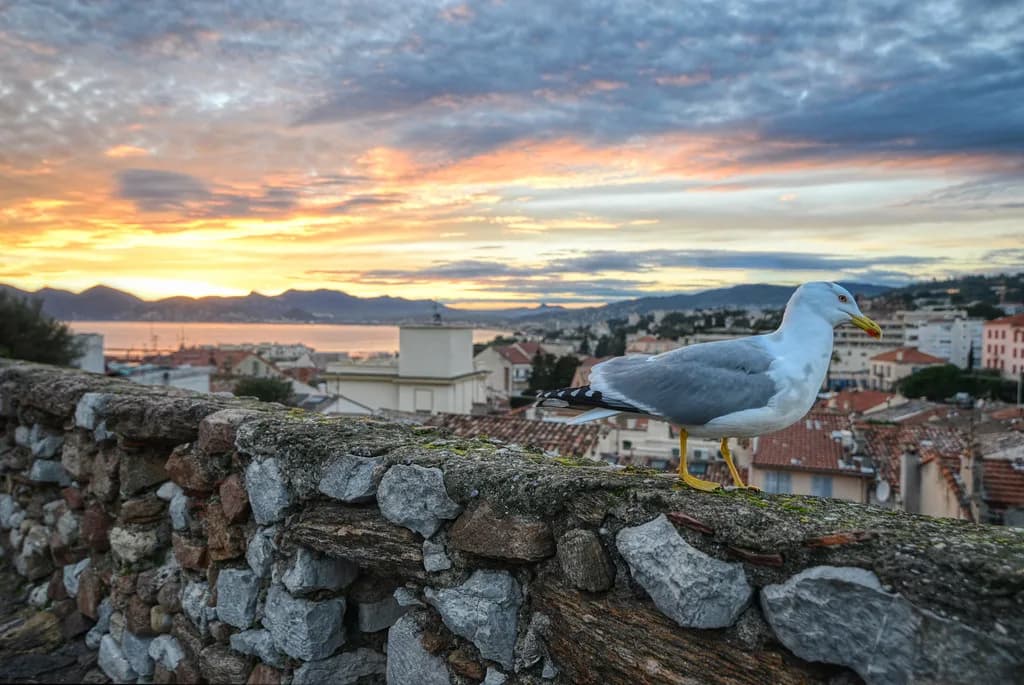
Le Suquet, Cannes: what to see in the old town
Le Suquet is the old town of Cannes, a medieval quarter of steep cobbled streets stacked on the hill directly behind the Old Port. It is the part of the city that predates the seafront hotels and the festival crowds, and it works best on foot as a slow climb from the harbour.
Plan it as a half-day if you want the castle museum at the top, or an hour or two for the lanes and the church alone. The ground is uneven and much of the route is stepped, so trainers beat sandals, and the climb is worth doing earlier in the day in summer.
What Le Suquet is and where it sits
Le Suquet is a picturesque medieval quarter, crisscrossed by steep cobbled streets, that runs from the Old Port of Cannes up and back into the land behind it. The address is 06400 Cannes, and the quarter begins just a few streets back from the quayside.
Its position is what defines the walk: the Old Port, filled with sailboats, sits at the foot of the hill, and the lanes climb away from the water towards the castle museum and the church. Approaching from the harbour side means the whole quarter rises in front of you, and you can see how far up you are going before you start.
This is one of the anchors of a Cannes weekend, and it pairs naturally with the waterfront rather than replacing it. Think of the hill as the historical counterweight to the seafront: same city, entirely different scale and mood. If you are comparing Riviera old towns, the things to do in Antibes guide covers another compact historic quarter with its own port and Picasso museum.
How to get there and how to approach the climb
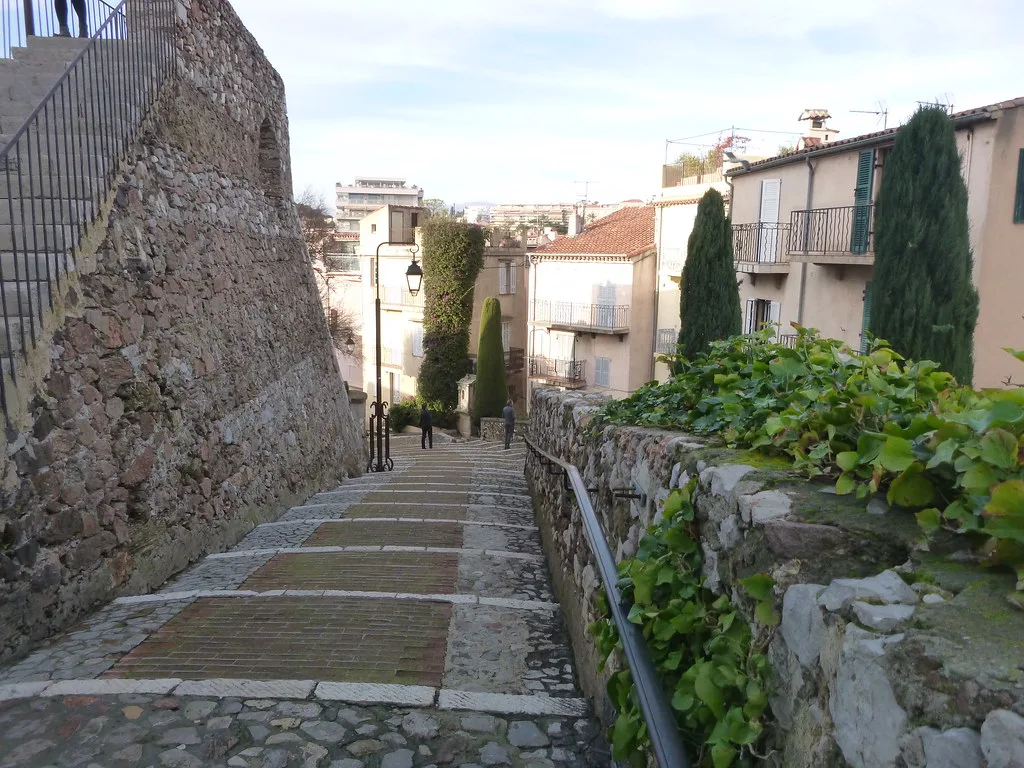
Arrive on foot from the Old Port side. From the quays and the Palais des Festivals et des Congrès, Cannes, the quarter is a short walk inland; once you reach the first cobbled lane, the route up is obvious because the streets only go one way — uphill.
Take the climb slowly and in stages. The lanes twist, so a five-minute push followed by a pause at a viewpoint works better than marching straight to the summit; the church at the top is the natural reward, and you can bail out at any point and drop back to the port.
The lanes themselves
The pleasure of Le Suquet is the fabric of the quarter: brightly coloured houses, pedestrian alleys and steps that bend around corners with no warning. The streets are lined with jazz clubs, independent shops and breweries serving Provençal dishes, so the climb comes with places to pause.
Pace yourself on the steps. The quarter is well maintained, but the cobbles are uneven and the gradients are real, which is why the climb is slow going in the heat. Wear shoes with grip, carry water in summer, and treat the lanes as the destination rather than a route to somewhere else.
Musée de la Castre on the hilltop
At the top of the hill stands the castle museum of La Castre, which houses works representing the landscapes of the Côte d'Azur. It is the main indoor draw in the quarter and the reason to give Le Suquet a proper half-day rather than a quick look.
Check the museum's opening days and ticket price on the museum's own site before you climb, since opening days vary across French museums and a closed door at the top wastes the walk. The tower beside the museum, the Tour du Suquet, is the quarter's other landmark and appears in the same complex on the hill.
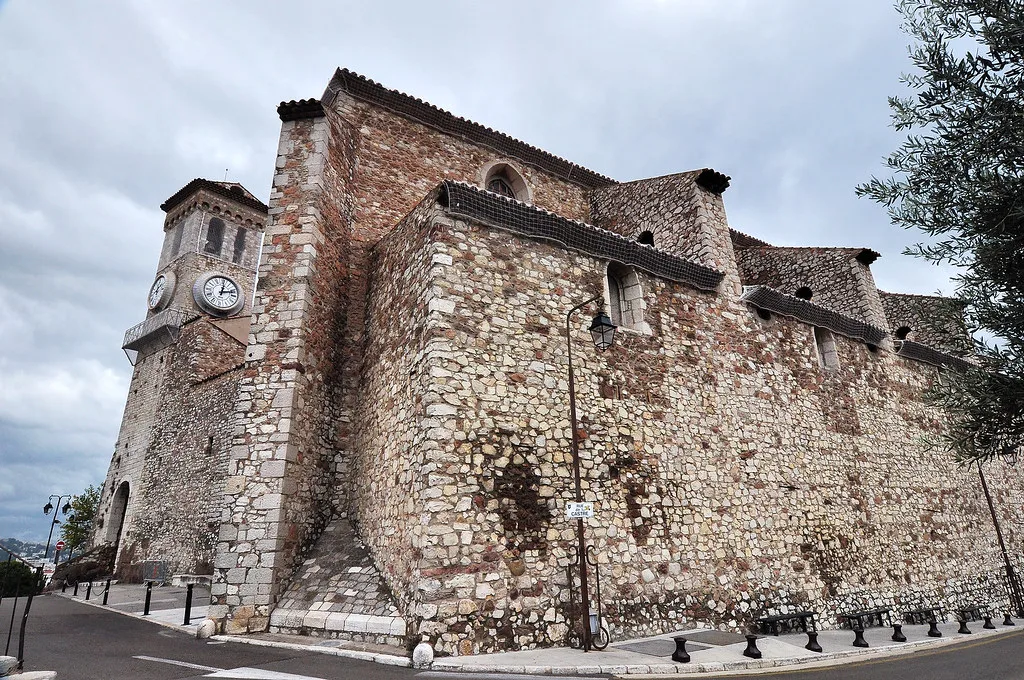
Église Notre-Dame-d'Espérance
The church of Notre-Dame-d'Espérance, built in Gothic style, sits high in the quarter and offers a panoramic view over the bay of Cannes. Even if you give the museum a miss, the walk up to the church earns its keep on the outlook alone.
Allow time to stand still at the top rather than turning straight round. The view takes in the harbour and the curve of the bay, which is the clearest way to understand how Cannes is laid out: the old hill town, the port below and the seafront running off to the west.
Food and drink in the quarter
Eating in Le Suquet means Provençal cooking in the lanes themselves, with breweries and small kitchens among the independent shops. It is a good place to build a long lunch or an early dinner into the walk rather than treating food as an afterthought.
Café Le Suquet, at 7 rue du Pré in 06400 Cannes, is listed by the city's tourist office, which also notes that the venue was temporarily closed. Confirm that it has reopened before you plan a meal around it.
Marché Forville and the food stalls
The quarter hosts the food stalls of the Marché Forville, the covered market that sits at the foot of the hill near the Old Port. It is the practical link between the old town and the rest of Cannes, and a sensible first stop before you climb. For the practical details, see the marché forville Cannes.
Market days and hours change, so check the market's own information for the dates you plan to visit rather than assuming it runs every morning. Arriving early is the safer bet for produce and for a quieter climb afterwards.
How long to allow
Give Le Suquet an hour or two if you want the lanes, the viewpoints and a coffee, and half a day if you are adding the Musée de la Castre. The museum is what stretches the visit from a stroll into a proper outing.
Build the walk around the light and the heat. The lanes are exposed in places and the climb is steady, so an early start leaves the afternoon free for the seafront; a late-afternoon climb ends with the view at its softest. Either way, the route up and back down is compact enough to fit around other plans.
What's nearby
The Old Port sits directly below the quarter, and beyond it runs La Croisette, Cannes' seafront promenade with its beaches and hotels. The contrast between the two halves of the city is the point of the walk: medieval lanes above, a wide seafront boulevard below.
Inland and west of the centre, the Villa Rothschild, Cannes, is another of the city's named sights if you want a second stop after the hill. For a wider plan covering the port, the seafront and the museums, work from the Cannes Attractions: 6 Visitor Guides overview.
Practical trade-offs
The honest trade-off is the ground underfoot: steep streets, steps and cobbles make Le Suquet harder work than the seafront, and summer heat turns the climb into a sweaty business. Go early, carry water, and wear proper shoes.
The other trade-off is timing the museum. Opening days at French museums are not uniform, so the one thing that can derail a half-day plan is arriving at the top to find the castle closed; check before you set out.
Plan Your Visit
Le Suquet rewards a simple plan: start at the Old Port, climb through the lanes at an unhurried pace, see the church and its view, and add the Musée de la Castre if the opening days line up. An hour or two covers the quarter; half a day covers it properly.
Wear shoes that cope with cobbles, go earlier rather than later in summer, and leave the seafront for afterwards. For the rest of the city, the things to do in Cannes guide fills in the port, the promenade and the museums around the hill.
Frequently Asked Questions
What is Le Suquet in Cannes known for?
Le Suquet is the medieval quarter on the hill above the Old Port, known for steep cobbled streets, brightly coloured houses, the castle museum of La Castre, the Gothic church of Notre-Dame-d'Espérance and the food stalls of the Marché Forville.
Is Le Suquet worth visiting?
Yes, if you want the historical side of Cannes rather than only the seafront. The lanes, the church and the view over the bay make a rewarding hour or two, and the Musée de la Castre turns it into a half-day.
How long does it take to walk around Le Suquet?
Allow an hour or two for the lanes, the viewpoints and a pause for coffee, or half a day if you include the Musée de la Castre. The climb is short but steep, so the pace matters more than the distance.
What can you see at the top of Le Suquet?
At the top you reach the castle museum of La Castre, which holds works representing the landscapes of the Côte d'Azur, and the Gothic church of Notre-Dame-d'Espérance, which gives a panoramic view over the bay of Cannes. The Tour du Suquet stands beside the museum.
Are there restaurants in the old town of Cannes?
The lanes are lined with breweries and independent shops serving Provençal dishes, so there are places to eat within the quarter itself. Confirm individual venues are open before you build a meal around them.
Do I need to check museum opening days before visiting Le Suquet?
Yes. Opening days vary between French museums, so check the Musée de la Castre's own information before climbing the hill, otherwise you may reach the top to find it closed.