
Palais des Festivals et des Congrès, Cannes: What to See and How to Visit
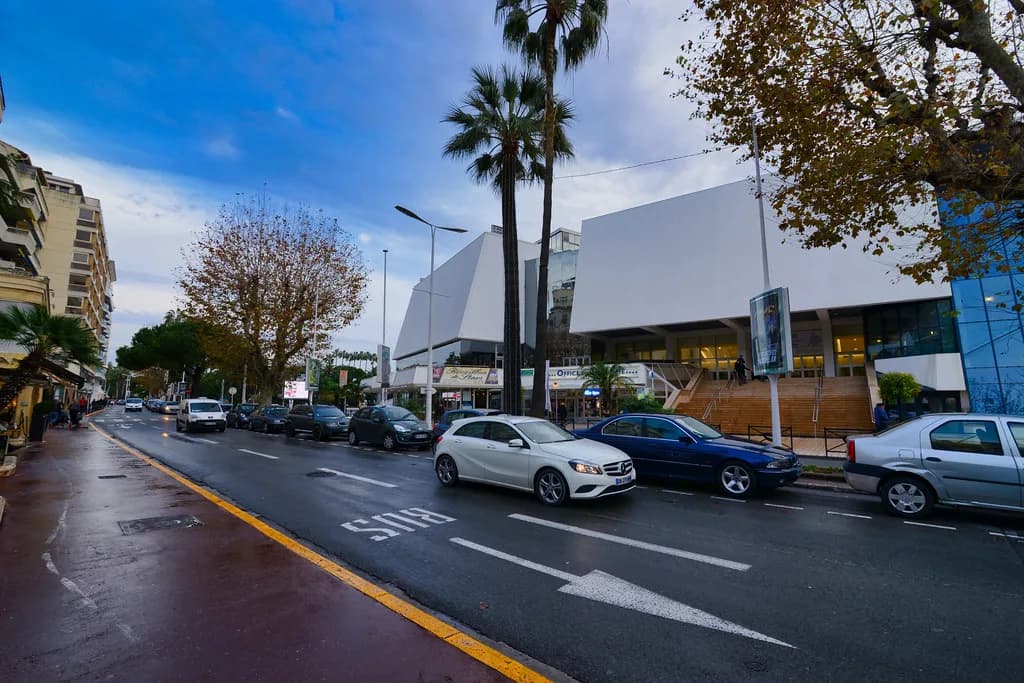
The Palais des Festivals et des Congrès is the white, glass-fronted building at 1 boulevard de la Croisette in Cannes, standing at the western end of the Croisette beside the Old Port. It is the town's main events venue and the best-known home of the Cannes Film Festival, so most visitors arrive simply to see the building and the seafront around it. This guide covers its address, how to reach it, what is visible from outside and how to slot it into a wider walk around Cannes.
What the Palais des Festivals is
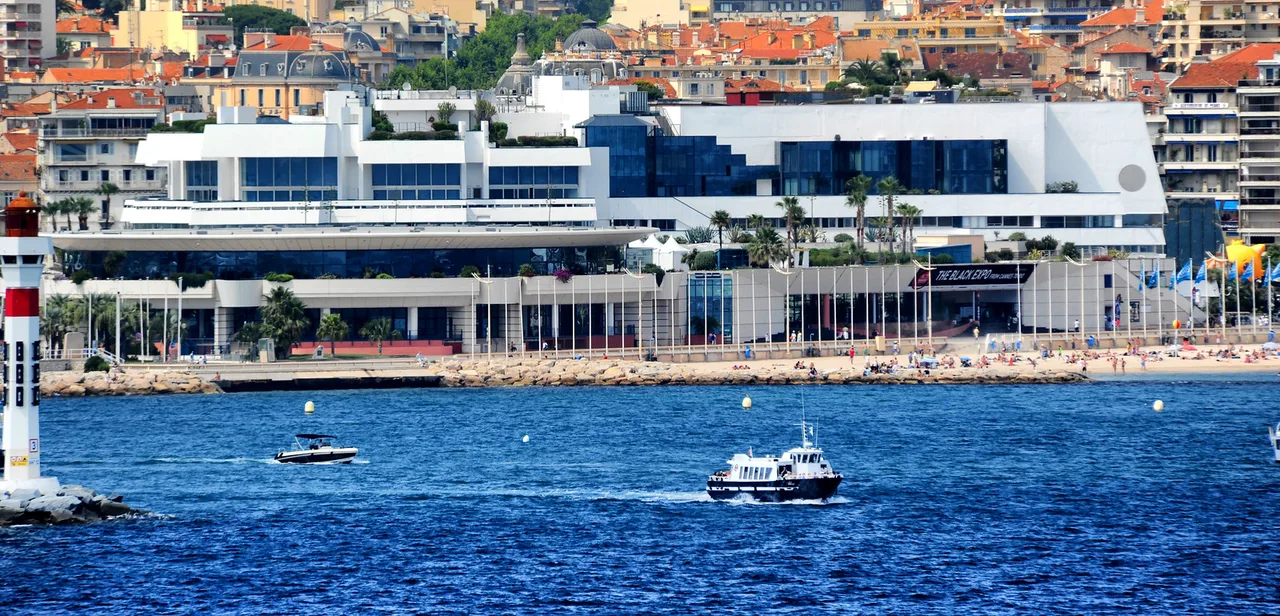
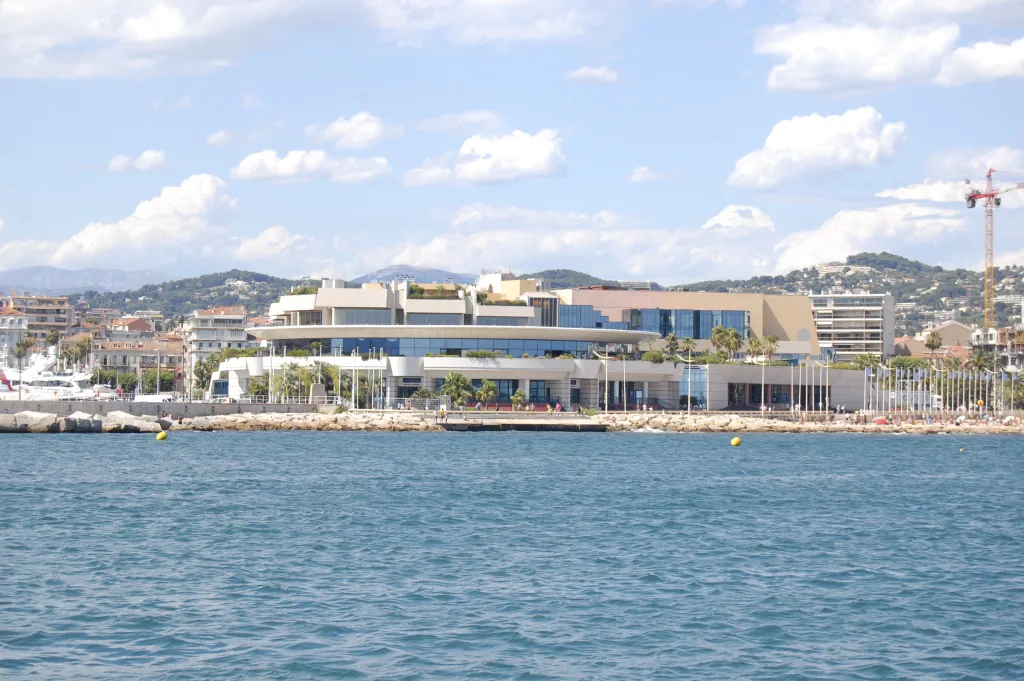
The building is Cannes' principal congress and performance venue: a large white and glazed structure on the seafront with a sweeping view over the bay. It opened in 1983 and has since hosted professional events, shows and internationally known festivals, with the Cannes Film Festival the most famous name attached to it. Expect a working events centre rather than a museum, so the building's life changes with whatever is booked that week.
The Palais also contains named spaces used for different formats, including the Grand auditorium Louis Lumière, the Théâtre Claude Debussy and the Espace Toscan du Plantier. That mix explains why the building can feel busy with delegates on one day and quiet on another. If you are hoping to see inside a particular room, the reason for your visit matters more than the time of year.
Where it is: 1 boulevard de la Croisette
The official address is 1 boulevard de la Croisette, 06400 Cannes, placing the main entrance on the town's signature seafront boulevard. It sits at the western end of the Croisette, where the promenade meets the Old Port and the quayside begins. Standing on the pavement in front of the building, you have the marina on one side and the long sweep of the Croisette on the other.
This position makes the Palais a natural hinge for a walk rather than a separate excursion. You can treat it as the point where a Croisette stroll turns into a harbour wander, or the reverse. It is also close to the foot of Le Suquet, the old hill quarter above the port, which is worth adding if you have an hour spare.
How to get there
By public transport, the nearest stops are Square Mérimée and Gare maritime, both listed by the city as access points for the Palais. The building is also served by two adjacent car parks, Parking Palais des festivals and Parking Pantiero, which is useful if you are driving into Cannes for the day. Cannes' main railway station sits inland of the Croisette, a straightforward walk downhill towards the sea.
Bus and parking provision in Cannes is managed by the local transport network, Palm Bus, so timetables and parking tariffs are best confirmed on its own pages rather than assumed. Arriving on foot from the station or along the Croisette avoids the question entirely. If you are coming for a specific performance, allow extra time for the area around the entrance to fill up.
What you can see from outside
The façade itself is the main sight: a broad white and glass front facing the sea, with the bay opening out in front of it. The red-carpet steps are the image most people associate with the venue, and they are the natural focal point of the forecourt. Whether you can walk on them depends on the event schedule, and the venue has not published general public access to the steps, so treat them as something to see rather than something to climb.
Around the building, the parvis and the adjoining quay give you open views back along the Croisette and across the Old Port to the hills behind Cannes. This is a good spot for photographs in the morning, when the light comes off the water rather than into it. The surrounding streets are as much a part of the visit as the building, so build in time to look around rather than arriving, photographing and leaving.
The building's role since 1983
Since opening in 1983, the Palais has operated as a congress centre first and a festival venue second, which is why its calendar is dominated by trade events, conferences and ticketed shows. The Cannes Film Festival is the name most visitors know, but it is one booking among many across the year. That dual life is worth understanding before you arrive: on a congress week the surrounding streets are noticeably busier and the forecourt may be in use.
Public performances in the venue are listed by ticketing platforms as well as by the Palais itself, and theatre, dance, concerts and exhibitions have all appeared on its stage. If your trip coincides with a show you want to see, booking ahead is the sensible move because seating is finite. Otherwise the building remains a landmark to see from the street rather than a site to tour.
Nearby streets worth folding into the same walk
The Old Port is immediately beside the Palais, with its quays, boats and views back towards the Croisette. From there, the lanes of Le Suquet climb steeply above the harbour, and the Musée de la Castre at the top adds a cultural stop to what would otherwise be a scenic wander. Allow a couple of hours if you intend to go up and back at an unhurried pace.
Inland from the seafront, Rue d'Antibes is the main shopping street, running roughly parallel to the Croisette and connecting the Palais area with the station quarter. It is a practical route rather than a scenic one, useful for cutting between the waterfront and the town centre. If you are in Cannes on a market morning, the Marché Forville sits on the other side of the old town and pairs naturally with a Suquet climb.
For a change of pace from the seafront, the Villa Rothschild and its gardens sit further along the coast and suit a slower half-day. The Palais is best treated as one stop on a Cannes walk rather than a destination in itself, and the wider list of things to do in Cannes fills out the rest of a weekend.
Who it suits
Film fans get the most obvious payoff, since the building is inseparable from the Cannes Film Festival's public image. Architecture and events visitors will find the glass-and-white façade and the waterfront setting worth a look even without a ticket. Anyone already walking the Croisette passes it anyway, so the real question is how much time to give it.
Travellers who want a guided interior tour or a behind-the-scenes look should not assume one exists: the city's listing describes the building as an events venue and does not advertise general visits. If an interior visit matters to you, check the Palais' own website and the local tourist office before you build a day around it. Everyone else can plan on seeing the exterior and the surrounding harbour.
How much time to allow
For the building and the immediate forecourt, 20 to 30 minutes is enough to look around, read the setting and take photographs. Add another 30 to 45 minutes if you continue along the Croisette or loop around the Old Port. The Palais fits neatly into a half-day that combines the seafront, the harbour and a climb into Le Suquet. If you enjoy this kind of waterfront-and-harbour walk, our Antibes city guide shows how the same formula works one town along the coast.
If you are attending a ticketed show, plan your arrival around the doors rather than the building, and expect the surrounding streets to be busier than usual. On a congress day, the pavements around the entrance can be crowded with delegates, which slows a casual walk. Building the Palais into the start or end of a Croisette stroll keeps the timing flexible either way.

Practical points for events
Tickets for performances at the Palais are sold through ticketing platforms as well as the venue's own channels, so check both when you are planning. Prices and availability vary by show and are set per event, so compare before booking rather than relying on a rule of thumb. Because the calendar mixes conferences with public performances, the programme matters more than the venue's reputation.
For travel and parking, the Palm Bus network covers the stops nearest the Palais, and the car parks beside the building are the obvious choices if you drive. Bus fares and parking charges are published by Palm Bus and the car park operators, and change over time, so check current prices and dates before you travel. Arriving on foot or by train removes most of this planning.
Where to check access, tours and event details
Access details, event listings and any public opening information are published by the Palais and by the Ville de Cannes, which lists the building's address, phone number and website. Start with those two sources rather than with ticket resale sites, which describe the venue but not its access rules. The Palais' own site is the place to look for what is on during your dates.
If you want a fuller picture of Cannes beyond the waterfront, the wider set of Cannes Attractions guides covers the Croisette, Le Suquet and the town's museums. Reading one or two before you travel helps you decide whether the Palais is a quick photo stop or the anchor of your morning.
Plan Your Visit
The Palais des Festivals et des Congrès is a 20-minute stop that earns its place on any Cannes weekend because of where it stands: at 1 boulevard de la Croisette, between the seafront and the Old Port. Come for the façade, the harbour views and the walk, not for a guaranteed interior tour. Pair it with the Croisette and Le Suquet and you have a solid half-day on foot.
If a specific performance is the reason for your trip, book through the venue or its ticketing partner and confirm the date before arranging travel. Otherwise, treat the Palais as the starting point of a seafront walk and let the rest of Cannes fill the day.
Frequently Asked Questions
Where is the Palais des Festivals in Cannes?
It is at 1 boulevard de la Croisette, 06400 Cannes, at the western end of the Croisette where the seafront meets the Old Port. The nearest bus stops are Square Mérimée and Gare maritime, and the Parking Palais des festivals and Parking Pantiero car parks sit close by.
Can you visit the Palais des Festivals?
The building is a working congress and performance venue, and interior access depends on what is booked. There is no general public tour advertised in the city's listing, so check the Palais' own website and the local tourist office before planning around an interior visit. The exterior, forecourt and harbour setting are visible to anyone.
What happens at the Palais des Festivals outside the film festival?
It runs as a congress centre for most of the year, alongside ticketed theatre, dance, concerts and exhibitions. The Cannes Film Festival is the best-known booking but only one part of the calendar, so the atmosphere around the building varies with the week.
How do you get to the Palais des Festivals by bus?
Use the Square Mérimée or Gare maritime stops, both listed by the city as access points for the venue. Palm Bus operates the local network, and its own pages carry current routes, timetables and fares.
How long does it take to see the Palais des Festivals?
Allow 20 to 30 minutes for the building and its forecourt, or 30 to 45 minutes more if you continue along the Croisette or around the Old Port. A half-day covers the Palais, the harbour and a climb into Le Suquet at an easy pace.
What is near the Palais des Festivals?
The Old Port is immediately beside it, La Croisette runs east from the forecourt, and the lanes of Le Suquet climb above the harbour nearby. Rue d'Antibes, the main shopping street, is a short walk inland.