
Musée de la Castre: Visiting Cannes' Museum of World Explorations

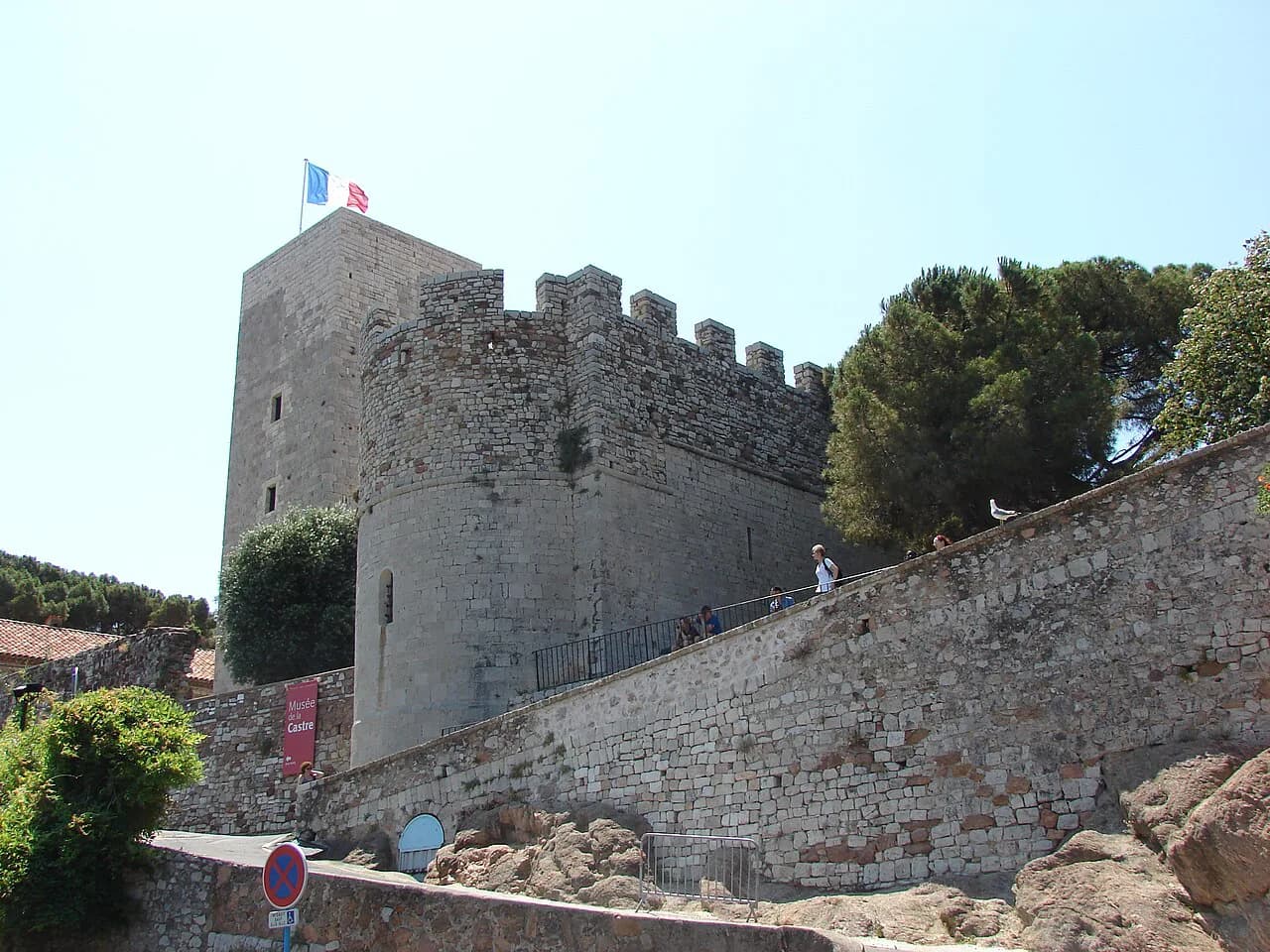
The Musée de la Castre is now the Musée des Explorations du Monde, and it stands in Le Suquet, on the heights of Cannes' historic quarter. Visitors who search for the old name are looking for the same institution, with the same collections bequeathed to the city by Baron Lycklama in 1877. Entry is 6 € at full price, with a reduced rate of 3 € on proof.
It is a compact museum rather than an all-day one, and the reason to come is the combination: four distinct collection strands under one roof, plus a view over the Mediterranean and the city that most of Cannes spreads out beneath. Build it into a morning in Le Suquet rather than a trip across town on its own.
What the Musée de la Castre is now
The museum was long known as the musée de la Castre, and that is the name many visitors still use. It now trades as the Musée des Explorations du Monde, so signs and online bookings use the newer name for the same building in Le Suquet. Use the new name when you search for tickets.
The name change reflects the content more honestly than the old one did. This is a collection about cultures beyond Europe as much as about Cannes itself, assembled largely from a nineteenth-century private bequest. Expect to move quickly between civilisations rather than follow a single regional story.
Where it sits in Le Suquet
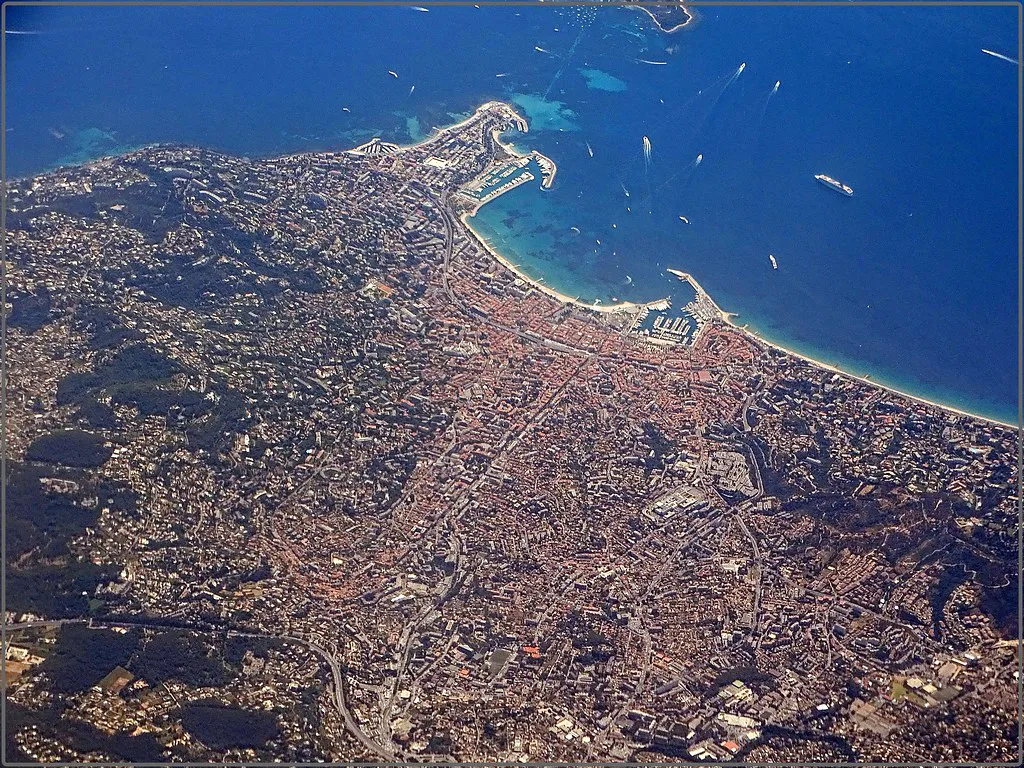
The museum occupies a high point of Le Suquet, the old quarter that climbs behind the waterfront. Place de la Castre is the reference point to navigate towards, with the museum on the hilltop square rather than down at quay level. If you are coming from the seafront, the direction of travel is simply upwards through the old streets.
That position is the trade-off. Reaching the museum means a climb through narrow streets, which is part of the pleasure but worth knowing about if anyone in your group has limited mobility or if you are carrying bags. Allow a slow quarter of an hour for the ascent rather than treating it as a two-minute walk from the port.
Getting there and the climb through the old town
Route yourself to the base of Le Suquet and walk up rather than aiming for a specific vehicle drop-off, since the lanes of the old quarter tighten as you gain height. The climb passes through the streets that give the quarter its character, so the walk is not dead time. From the Croisette side of town, walk west along the waterfront first and start the ascent from there.
Wear shoes you can climb steps in. The old town surfaces are uneven in places, and the reward at the top is the square and the museum rather than a lift. If the climb is a genuine obstacle, plan the visit for a cool part of the day and take it slowly.
The collections inside
Four strands cover most of the museum. The first is Mediterranean archaeology, with material from Egypt, Greece and Rome. The second is ethnology and first arts from the Himalaya, Oceania, the Americas and Asia. A collection of musical instruments from Asia, Africa, America and Oceania forms the third, and three rooms devoted to Orientalism and the arts of Iran make up the fourth.
That spread is the museum's strength and its limitation. You get genuine breadth and some striking individual pieces, but you will not find the depth of a national collection in any one area. Treat it as an introduction to several worlds rather than a specialist study of one.
The Lycklama legacy
The core of the permanent collection comes from Baron Lycklama, who left his collections to the city in 1877. That single bequest explains why a small Riviera town holds Himalayan, Oceanian and Iranian material at all. Read it as history rather than as a claim about how the objects were acquired or displayed today.
The museum also runs temporary exhibitions alongside the permanent rooms, which change what you see on a given visit. Bring that into your planning: a return visit a year later is not simply a repeat.
The view from the terrace
The museum's setting gives it a second attraction beyond the cases. The terrace looks out over the Mediterranean and across the city, and visitors consistently single out the panoramic view as a highlight of the visit. That view alone justifies the climb through Le Suquet.
Build the view into your timing rather than treating it as a bonus on the way out. A clear day transforms it, and the light over the bay is the reason the hilltop square has always been the obvious place to stand in Cannes.
Tickets and free entry
Full-price admission is 6 € and the reduced rate is 3 € with proof of eligibility. The reduction applies to visitors aged 18 to 25, to groups of ten or more adults, and to holders of the Cannes Pass Culture or APC Aventura. Bring the document that proves your category, because the reduction is granted on evidence rather than on request.
Free entry with proof covers under-18s, students up to 26, jobseekers, disabled visitors and their companions, recipients of the minimum-old-age benefit, leisure centres, ICOM card holders, severely disabled war veterans, and teachers accompanying their class. There is also a free window on the first Sunday of each month from November to March.
Tickets can be booked online in advance, which removes the risk of arriving at a busy moment on the hilltop. The museum opens all year round and runs to a programme of permanent and temporary exhibitions; check the current opening days and hours before you set out.
How long to allow
Two hours covers the museum comfortably, including the terrace. The rooms are not vast, and the four strands are easy to move through without fatigue. Anyone with a specific interest in the Oceanian or Iranian material will want longer in those rooms and less elsewhere.
Nearby in Le Suquet
Because the museum sits inside Le Suquet, the rest of the old quarter is your natural pairing. The lanes below the square reward an unhurried wander once you have finished inside, and the market streets towards the waterfront give the morning a second focus. If you are comparing hilltop old towns along the Riviera, our guide to things to do in Saint-Tropez covers a similar climb through its own old quarter.
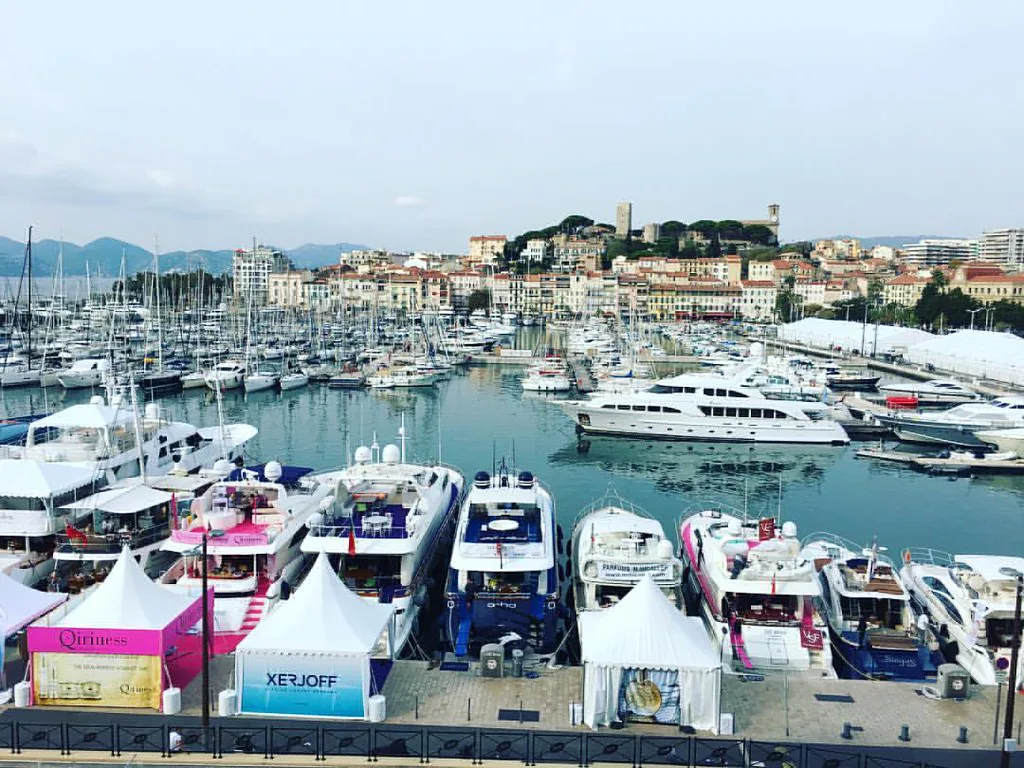
Down on the waterfront, the Palais des Festivals et des Congrès, Cannes is the other landmark worth folding into the same walk, and the Croisette beyond it makes an easy continuation. Villa Rothschild, Cannes sits further out and works better as its own outing on a different part of the trip.
Plan Your Visit
The Musée de la Castre, now the Musée des Explorations du Monde, is the one museum in Cannes that combines a serious collection with the best free view in town. Go for the archaeology and first arts, stay for the terrace, and treat the climb as part of the visit.
Book ahead online, bring proof if you qualify for the reduced rate or free entry, and pair the museum with a wander through Le Suquet rather than trying to fit it into a packed day. Two hours is enough for most visitors.
Explore more Cannes guides
Frequently Asked Questions
Is the Musée de la Castre the same as the Musée des Explorations du Monde?
Yes. The museum in Le Suquet long known as the musée de la Castre now trades as the Musée des Explorations du Monde. The building, the hilltop position and the collections are the same; only the name on the door and in booking systems has changed.
Where in Cannes is the museum?
It stands in Le Suquet, the old quarter above the waterfront, on the heights of the historic centre. Use Place de la Castre as your reference point and walk up through the old streets to reach it.
How much does entry cost and who gets in free?
There is a full-price ticket and a reduced rate for visitors aged 18 to 25, groups of ten or more adults, and holders of the Cannes Pass Culture or APC Aventura, all granted on proof. Free entry with proof covers under-18s, students up to 26, jobseekers, disabled visitors and their companions, leisure centres, ICOM card holders and teachers with their class. Check the current rates on the museum's own pages before you go.
What can you see inside the museum?
Mediterranean archaeology from Egypt, Greece and Rome; ethnology and first arts from the Himalaya, Oceania, the Americas and Asia; musical instruments from across the world; and three rooms on Orientalism and the arts of Iran. Temporary exhibitions run alongside the permanent rooms.
How long should you spend at the museum?
Two hours is a comfortable allowance for the rooms and the terrace. The museum is compact, so it fits easily into a morning in Le Suquet rather than taking a whole day.
When is entry free at the museum?
Entry is free on the first Sunday of each month from November to March, with proof where required. Outside that window, the free categories for under-18s, students, jobseekers and others still apply.