
Musée Lorrain in Nancy: Visiting the Palais des Ducs de Lorraine

The Musée Lorrain is the history museum of Lorraine, and it is housed inside the Palais des Ducs de Lorraine at 64-66 Grande Rue in Nancy's Ville Vieille. The old town's main axis runs past the door, and Place Stanislas is a few minutes away on foot, so the museum slots easily into a morning or afternoon.
Treat the visit as two things at once. The palace is a 16th-century ducal residence with a gatehouse guardhouse modelled on the one at Blois, and the displays inside trace the history of the duchy and the region.
Where the Musée Lorrain is in Nancy
The address is 64-66 Grande Rue, in the Ville Vieille, the medieval and Renaissance core of the city. The Grande Rue runs from Place Vaudémont towards the Porte de la Craffe and forms the main axis of the historic centre, so the museum entrance sits on the natural walking line through the old town.
From Place Stanislas, walk into the old town and follow the Grande Rue; the square is pedestrianised and sits at the classical edge of the district, while the museum is in the older streets behind it. From the station, the centre is a straight walk or a short tram or bus ride, and the city has a tram plus a dozen bus lines.
The official museum site lists the address and phone number, which is the simplest way to confirm the entrance before setting out.
The Palais des Ducs de Lorraine
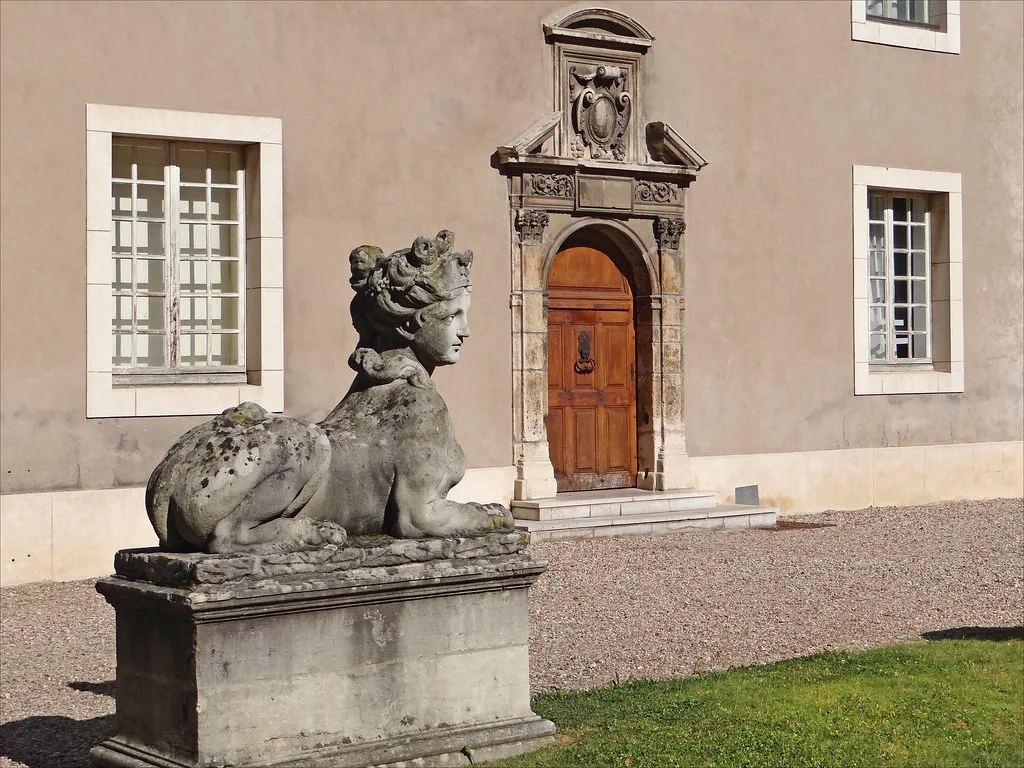
The palace was the residence of the Dukes of Lorraine, built in the 16th century and abandoned in the 18th century in favour of Lunéville. Look at the guardhouse, the former gatehouse: it takes its inspiration from the royal château of Blois and mixes Gothic art with Italian Renaissance detail, which is why the facade reads as two styles in one.
The long facade along the Grande Rue was the epicentre of ducal authority in Nancy. Approaching from the old town, the courtyard and the gatehouse are the parts to slow down for before you go inside.
What the collections cover
The palace has housed part of the Lorraine Museum since 1848, so the displays are regional history rather than decorative arts. The museum was created in Nancy in 1850 at the initiative of the Société d'archéologie lorraine, which explains the archaeological and historical slant of what you see.
Read the collections as the story of a duchy that sat on the border with the German states, which shaped both the city and its art. If you want the aesthetic counterweight afterwards, Nancy's Art Nouveau houses and glass are the other half of the city's identity, and the Villa Majorelle is the single best interior to add. For a wider shortlist of the city's sights to slot around the palace, see these things to do in Nancy.
The Église des Cordeliers next door
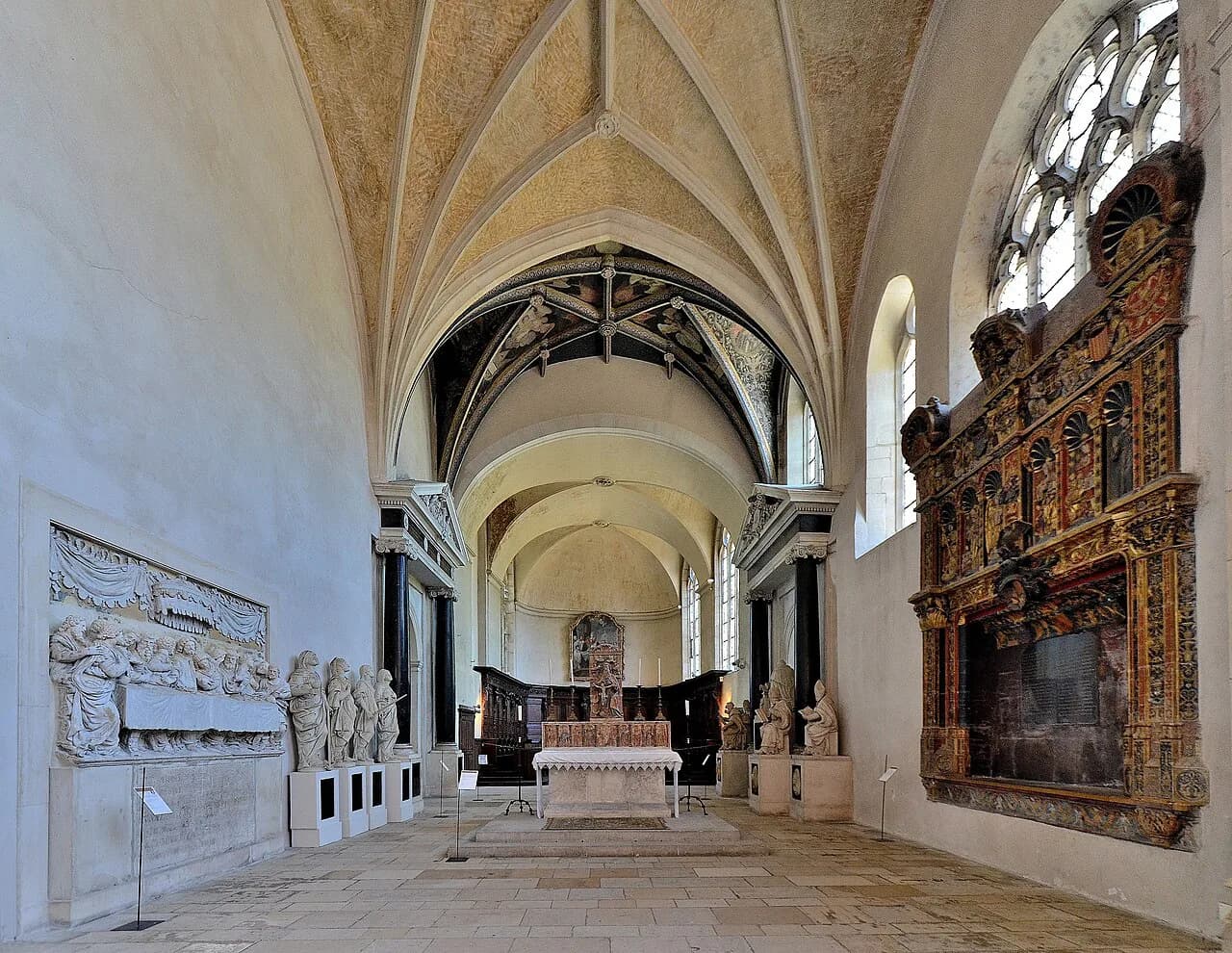
Immediately beside the palace stands the Église des Cordeliers, named for the Franciscan order whose members wore a cord at the waist. Duke René II commissioned it in the 15th century to give thanks for his victory over Charles the Bold at the Battle of Nancy in 1477, and it serves as the necropolis of the Dukes of Lorraine rather than a parish church with regular services.
Entrance tickets are bought at the Ducal Palace a few metres further on, and a combined pass covers the church, the Lorraine Museum and the Museum of Popular Arts and Tradition, which saves queueing twice. Plan the two as one stop rather than separate outings.
Nearby in the Ville Vieille
The old town around the museum rewards an unhurried loop. The Porte de la Craffe, with twin towers added from 1463, is the oldest surviving fortification in Nancy and the last remnant of the medieval walls, and it closes the northern end of the Grande Rue.
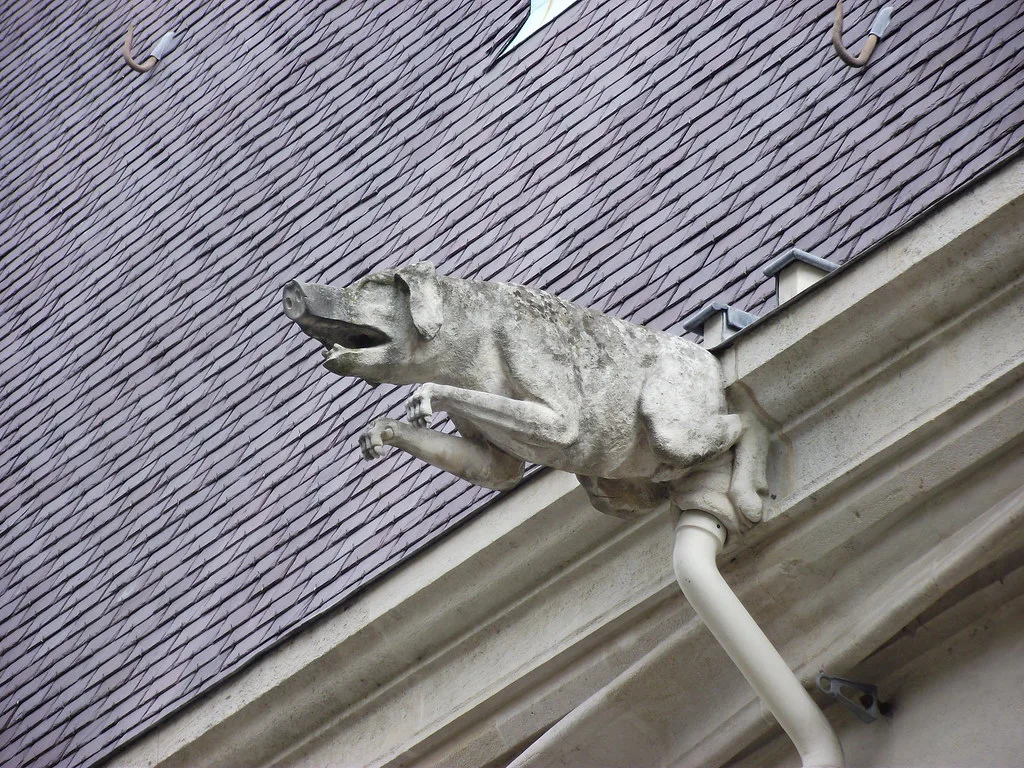
Between the Grande Rue and the Craffe gate, the parallel streets hold Renaissance mansions. The Hôtel d'Haussonville at 9 Rue Monseigneur Trouillet has balustrades in flamboyant Gothic on the first floor and Renaissance above, while the Hôtel des Loups at 1 Rue des Loups takes its name from the two stone wolves flanking its gate.
Place Saint-Epvre, the medieval trading square, is dominated by the neo-Gothic Basilique Saint-Epvre, built at the end of the 19th century with an 87-metre bell tower. The square is the natural place to stop for a coffee before heading back towards the classical city.
How much time to allow
Give the palace and its collections the better part of two hours, then add the Cordeliers church next door, which is short but dense with ducal tombs and history. That leaves room to walk the old-town loop through Place Saint-Epvre and out to the Craffe gate.
Distances in the centre are short and public transport is good, so you can pair the museum with a square or a museum across town without losing the afternoon. If you only have a weekend, put the Musée Lorrain on one half-day and Place Stanislas, Nancy Attractions: 6 Visitor Guides and the Art Nouveau sights on the other.
Tickets, opening hours and works
The museum's own site carries the practical details, including the address and telephone number, and the tourist office in Nancy is the second place to confirm what is on. Look for the current admission price and the day-by-day opening times there before you travel, since a city-break timetable depends on them.
If the palace is partly closed for works, the Cordeliers church and the old-town streets still justify the walk.
Where to slot it into a Nancy weekend
Place Stanislas is the obvious anchor for a first morning, with its gilded wrought-iron gates by Jean Lamour, two Rococo fountains and the statue of Stanislas in the centre. From there, walk into the old town for the Musée Lorrain and the Cordeliers, then come back out for the square's blue hour.
For balance, spend the second half-day on Art Nouveau: the Musée de l'École de Nancy in Eugène Corbin's former home, the Daum glass collection in the basement of the Musée des Beaux-Arts, and a walk through the Saurupt neighbourhood. The Musée des Beaux-Arts de Nancy is on Place Stanislas itself, which makes it easy to combine with the square.
If there is time left, the Place de la Carrière marks the entrance to the historic centre and was used for equestrian exercises and tournaments in the medieval period. It sits between the old town and the classical squares, so it makes a natural link on the walk back.
Practical points for the visit
The centre is compact and pedestrianised, so most of the old town works on foot; wear shoes for cobblestones rather than planning around transport. The tram and bus network covers the wider city if you are staying further out.
For a quiet detour, Rue des Écuries once housed the stables of the Duke of Lorraine, and its private houses are linked to the Parc de la Pépinière by small bridges and suspended footbridges. The parc itself is the green lung of Nancy, close to Place Stanislas, if you want a pause between museums.
Plan Your Visit
Build the Musée Lorrain into a half-day that starts on Place Stanislas, runs through the Grande Rue to the palace and the Cordeliers church, and finishes at the Porte de la Craffe. That route gives you the classical city, the ducal city and the medieval walls in one continuous walk, with no backtracking.
Before you go, check the museum's own site for opening times, ticket prices and any partial closure, and confirm the Cordeliers access when you buy your ticket at the palace. With those two points settled, the rest of the weekend is a matter of choosing between Lorraine history and Art Nouveau.
Explore more Nancy guides
Frequently Asked Questions
Where exactly is the Musée Lorrain in Nancy?
It is at 64-66 Grande Rue in the Ville Vieille, the old town, on the main axis that runs through the historic centre towards the Porte de la Craffe. Place Stanislas is a few minutes away on foot, so the museum is easy to reach from the classical squares.
Is the Musée Lorrain open at the moment?
Opening days and any partial closure for works are listed by the museum itself and by the Nancy tourist office. Check both before you build it into a short break, because a palace under restoration changes what you can see.
Do you need a ticket for the Église des Cordeliers as well?
Tickets for the Cordeliers church are bought at the Ducal Palace, a few metres from the church. A combined pass covers the church, the Lorraine Museum and the Museum of Popular Arts and Tradition, so ask for it at the desk rather than paying twice.
How long does a visit to the Musée Lorrain take?
Allow about two hours for the palace and its collections, plus a short additional stop at the Cordeliers church next door. That leaves enough time for the old-town loop to Place Saint-Epvre and the Porte de la Craffe in the same half-day.
What can you see in the Musée Lorrain collections?
The displays trace the history of Lorraine and are housed in the palace that has held part of the collections since 1848. Expect regional history and archaeology rather than decorative arts, set inside a 16th-century ducal residence.
What else is worth seeing near the Musée Lorrain?
The Porte de la Craffe closes the Grande Rue at the northern end, the Renaissance mansions on Rue Monseigneur Trouillet and Rue des Loups are a few streets away, and the Basilique Saint-Epvre anchors Place Saint-Epvre. All are within a short walk in the Ville Vieille.