
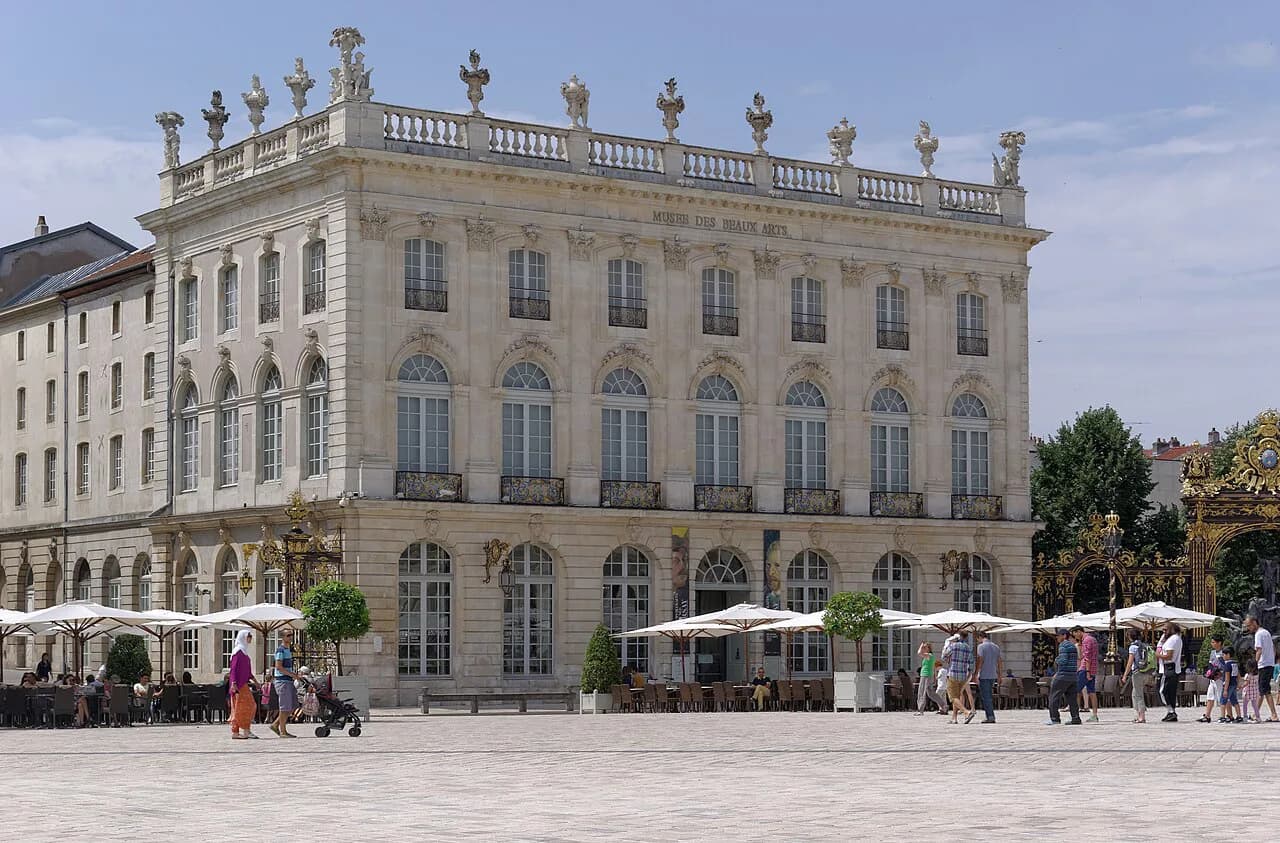
Musée des Beaux-Arts de Nancy: what to see and how long to allow

The Musée des Beaux-Arts de Nancy is the city's broad art collection, spanning the 14th century to the present with French, Italian and Dutch paintings as its strengths. It suits anyone who wants a single, substantial indoor stop alongside Nancy's better-known Art Nouveau addresses.
Treat it as one piece of a Nancy weekend rather than the whole trip: pair it with the city's squares and villas, and use it as a rain-proof or hot-afternoon option. The sections below cover where it is, what to prioritise, how long to allow and which city-run museums sit nearby.
What the Musée des Beaux-Arts de Nancy is
This is Nancy's municipal fine-arts museum, the place to go for paintings and objects rather than for decorative arts or local history. Its collection runs from the 14th century to contemporary work, with French, Italian and Dutch painting as the documented focal points.
It is one of three museums the city groups together as a cultural circuit: the musée de l'École de Nancy, the musée des beaux-arts and the palais des ducs de Lorraine – musée lorrain. That grouping matters when you plan, because the three cover different ground and are easy to confuse. For the full picture of what to add around them, our guide to things to do in Nancy sets out the squares, villas and neighbourhoods worth pairing with a museum stop.
Where it sits in Nancy and how to reach it
The museum sits in the historic centre, close enough to the city's main squares that you can walk to it between other sights rather than making a separate trip. Build it into a route that passes Place Stanislas, and you avoid doubling back across the centre.
Nancy's centre is compact and largely walkable, so a visit here combines naturally with a morning on the squares and an afternoon indoors. Allow a short walk from the Place Stanislas area rather than planning a tram ride for a distance you can cover on foot.
What to see: paintings from the 14th century to the present
The permanent collection is the reason to come: European painting from the 14th century onward, with French, Italian and Dutch schools carrying most weight. If you have seen a lot of Paris museums, this is a smaller, calmer version of the same story with a Lorrain accent.
Caravaggio's L'Annonciation is held by the museum and has featured in past exhibitions on the collection, so it is worth checking whether it is on display when you visit. Ask at the desk or check the museum's own pages before you build a visit around one painting.
The museum also mounts temporary exhibitions, and in the past these have covered subjects as varied as graffiti and impossible architectures. Programme changes, so treat any exhibition you have read about elsewhere as history until the museum confirms it is running.
The Art Nouveau thread and Nancy's other collections
Nancy is known as the French cradle of Art Nouveau, and the city's decorative-arts story is told chiefly at the musée de l'École de Nancy rather than at the fine-arts museum. If Art Nouveau is your reason for visiting, the École museum is the primary stop and the beaux-arts museum the companion, which is the same split you'll weigh when comparing the Beaune museum of fine arts with its decorative-arts collections.
For the architecture itself, the Villa Majorelle is the city's best-known Art Nouveau house and pairs well with a museum morning. Doing the villa and one museum in a day is a realistic plan for a two-day break.

If you have one hour: what to prioritise
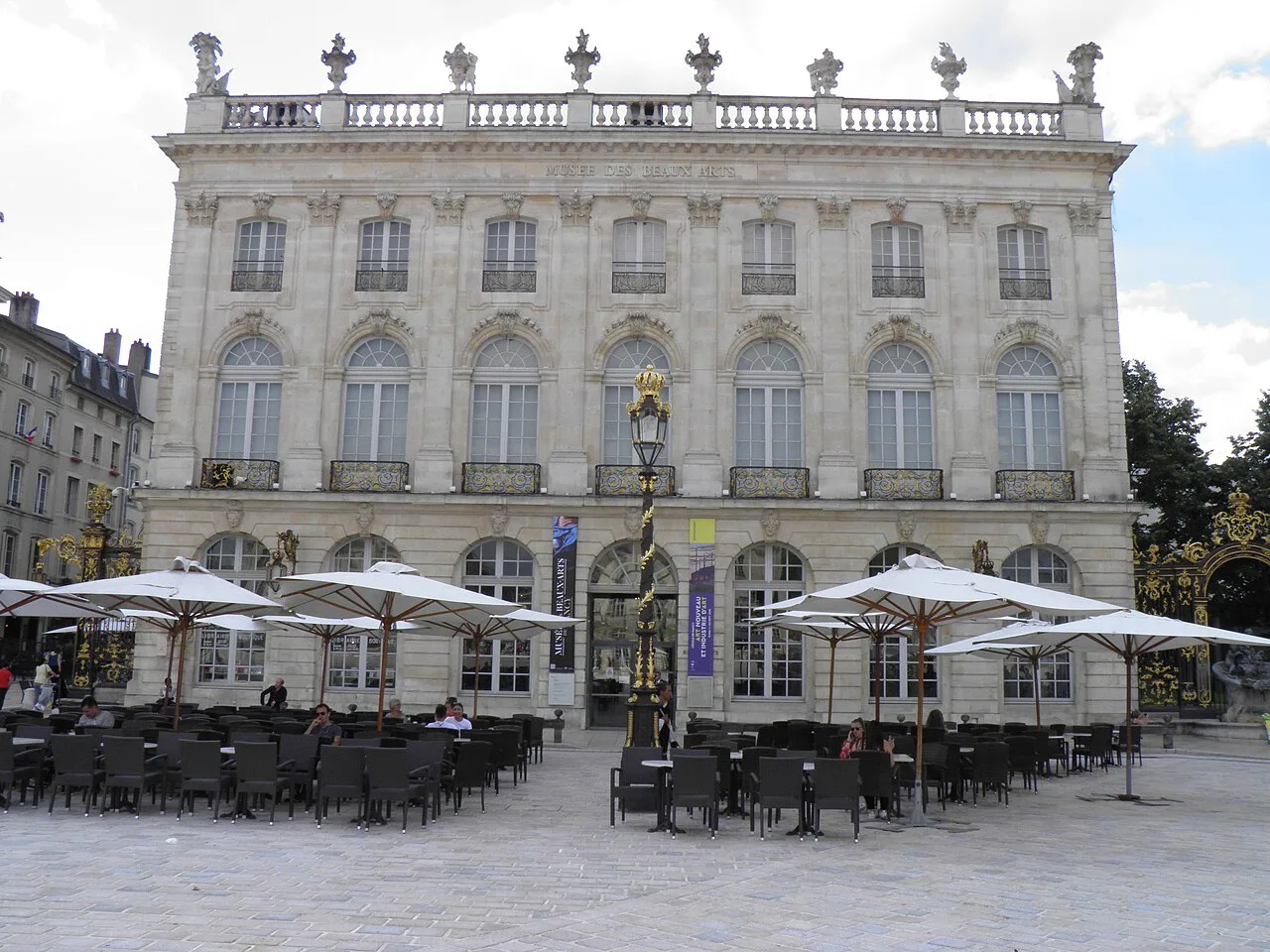
With a single hour, skip the temporary show unless it is the reason you came, and head for the painting galleries. Work chronologically from the earlier European rooms toward the modern ones, so you see the range rather than circling one section.
Give the Italian and Dutch rooms a fixed slice of time each, then spend what is left on the French paintings. If a specific work such as the Caravaggio matters to you, ask staff where it hangs on arrival instead of hunting room by room.
How long to allow
Two hours covers the permanent collection at a reasonable pace and leaves room for one temporary exhibition. Three hours suits anyone who reads labels and wants a coffee stop halfway; less than an hour feels rushed given the collection's span from the 14th century to the present.
Pace a half-day by doing the museum in the late morning, when you are fresh, then walking to Place Stanislas for lunch and the squares. That order keeps the indoor stop ahead of the afternoon slump and leaves the evening free.
Tickets, opening hours and closures
Ticket prices, free-entry days and opening hours are set by the Musée des Beaux-Arts de Nancy and change, so confirm them on the museum's official site before you travel. French museums often close one day a week, so check the day you plan to visit rather than assuming it is open.
The city lists the beaux-arts museum alongside its other municipal museums, which is a useful cross-check on which institutions are open. If you are building a museum circuit, confirm each one's day off separately, since they do not always match.
Nearby: the École de Nancy and the musée lorrain
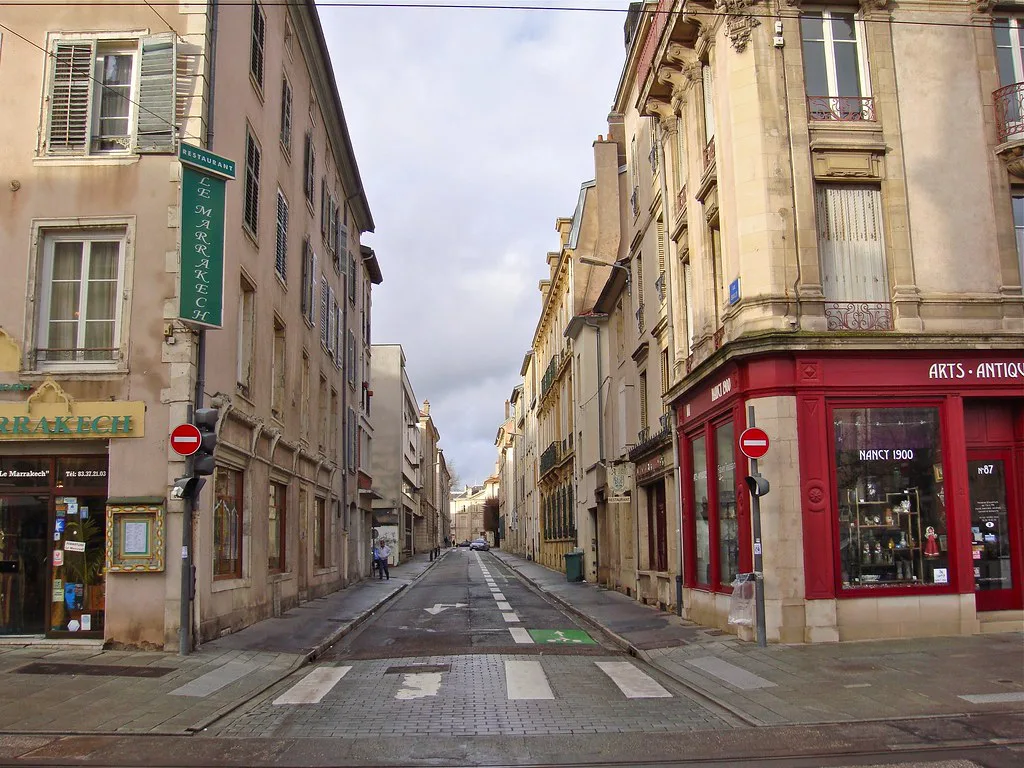
The musée de l'École de Nancy and the palais des ducs de Lorraine – musée lorrain complete the city's museum set, and both are close enough to combine with a beaux-arts visit. The École museum covers the decorative-arts side of Art Nouveau; the lorrain covers local and regional history.
The Musée Lorrain occupies the palais des ducs de Lorraine, which places it in the historic heart and makes it a natural second stop after the squares. Add the Église des Cordeliers if you want the ducal chapel alongside the history collections.
Two museums in one day is realistic in Nancy; three is not, unless you move fast and skip the temporary shows. Choose the beaux-arts museum plus either the École museum or the musée lorrain, depending on whether Art Nouveau or local history interests you more.
Fitting the museum into a two-day Nancy weekend
On a two-day break, give the first morning to Place Stanislas and the surrounding streets, then use the afternoon for the museum when the light fades. Keep the second day for the Villa Majorelle and the École de Nancy museum so the Art Nouveau story stays together.
If it rains, swap the order: do the museum on the wet day and the squares when it clears. The beaux-arts museum is the better bad-weather choice because it holds several hours of indoor content.
Check the museum's day off and the city's museum listings before you lock the itinerary. A Monday or Tuesday closure is common in French museums, so confirm rather than arrive to a locked door.
Plan Your Visit
The Musée des Beaux-Arts de Nancy earns its place in a weekend for the breadth of its painting collection, not for blockbuster scale. Two hours is the right budget for most visitors, and it slots neatly between the squares and the Art Nouveau houses.
Confirm opening days and ticket prices on the museum's official site before you set out, since these are the details most likely to catch you out. Then build the rest of the day around Place Stanislas and one other museum rather than trying to see everything.
Explore more Nancy guides
Frequently Asked Questions
What can you see at the Musée des Beaux-Arts de Nancy?
The museum holds European art from the 14th century to the present, with French, Italian and Dutch painting as the core. It also mounts temporary exhibitions. Ask at the desk which works are on display, since individual pieces move between storage and the galleries.
How long does a visit to the Musée des Beaux-Arts de Nancy take?
Allow about two hours for the permanent collection, or three if you add a temporary exhibition. One hour is enough only for a highlights run through the painting galleries.
When is the museum free?
Free-entry days are set by the museum and change, so check the official site or ask at the desk. Do not assume a first-Sunday rule applies here.
Is the Musée des Beaux-Arts de Nancy worth visiting on a weekend break?
Yes, if you want a substantial art collection alongside Nancy's Art Nouveau sights. It is a good wet-weather stop and pairs well with Place Stanislas and one other museum.
Which other museums in Nancy are close by?
The city groups the beaux-arts museum with the musée de l'École de Nancy and the palais des ducs de Lorraine – musée lorrain. The École museum covers Art Nouveau decorative arts; the musée lorrain covers regional history.