
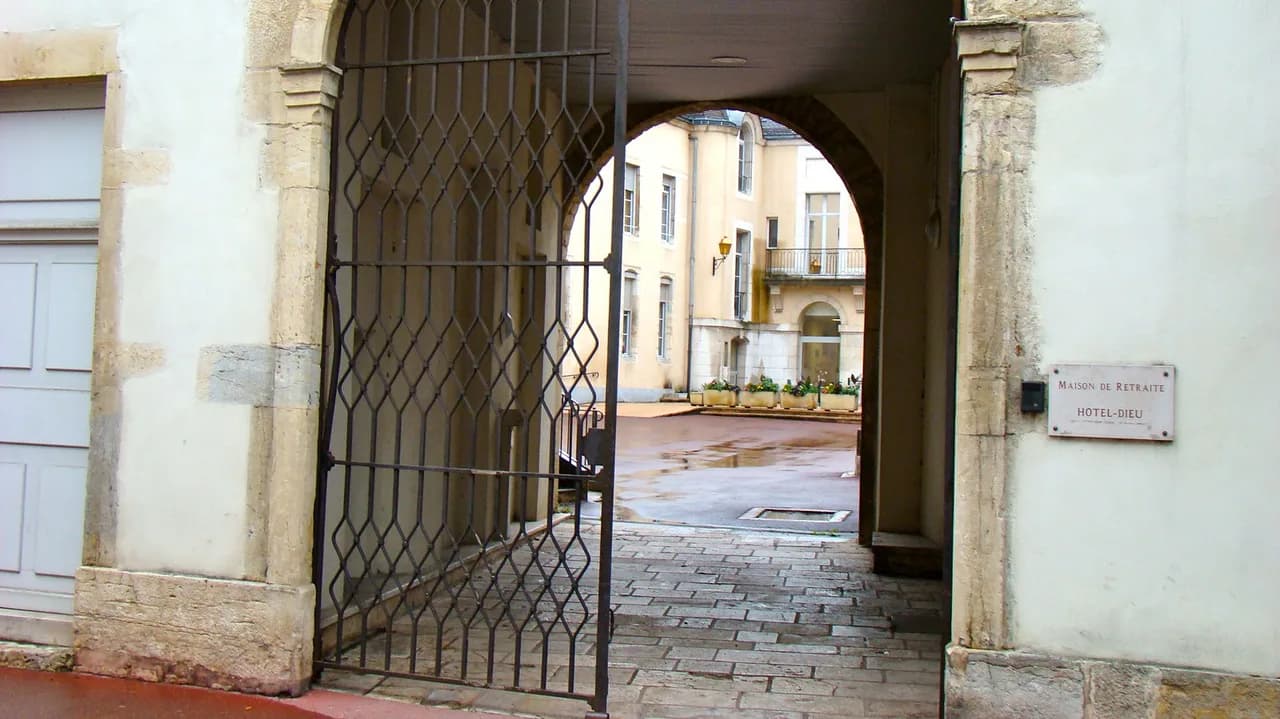
Musée des Beaux-Arts de Beaune: What to See and How to Plan a Visit
The Musée des Beaux-Arts de Beaune is a municipal fine-arts collection in the centre of a small Burgundian town, and it rewards an hour or so rather than a dedicated morning. Treat it as one stop on a walkable loop through the old centre, with the Hôtel-Dieu as the anchor of that loop. The building and the collection are modest in scale, so the sensible comparison is with other French town museums, not with the Louvre.
Plan the museum around confirmed opening days, because French museums often close one weekday and Beaune's own schedule varies by season and by exhibition. Check the museum's listing on the town's own site or the Beaune tourist office before you build a day around it. The rest of your time fills easily with the town's streets, church and ramparts.
What the Musée des Beaux-Arts de Beaune is and who it suits
This is a town fine-arts museum, the kind of collection French provincial cities assembled from bequests, church property and local patronage. Expect paintings, prints and objects shown at a human pace, in rooms you can cross in a few minutes rather than galleries that swallow an afternoon. It suits travellers who like small museums and want a quiet counterpoint to Beaune's better-known sights, and it is a poor fit for anyone hoping for a blockbuster.
Set expectations by scale. The Musée des Beaux-Arts de Lyon, the largest French fine-arts museum outside Paris, spreads encyclopedic collections across five sections and seventy galleries in a former Benedictine abbey on place des Terreaux, so a visit there is a half-day project. A town museum such as Beaune's is a different proposition entirely, and knowing that in advance stops the visit feeling thin.
Where the museum is in Beaune and how to reach it on foot
Beaune's historic centre is compact and largely flat, and the museum sits within the same tight grid of streets as the Hôtel-Dieu and the collégiale. From the train station, the walk into the old town takes only a few minutes and brings you straight into the ring of boulevards that trace the old walls. Once inside, almost everything worth seeing is reachable on foot in under fifteen minutes.
Use the Hôtel-Dieu as your landmark rather than a street address, then work outward. The tourist office can supply a free town map that marks the museum, the churches and the ramparts, which is more reliable than memory in streets that bend without warning. If you are coming by car, park outside the inner ring and walk in, since the centre's lanes are not built for circling.
What to see inside: the collection in brief
Go in without a checklist and let the rooms set the pace. Provincial fine-arts museums typically mix religious painting, portraiture, landscape and local history, and the interest lies in the odd pieces as much as the famous names. Read the room labels, which usually explain how each group of works arrived in the town. If a temporary exhibition is running, see it first while your attention is fresh, then drift through the permanent rooms.
For a sense of how a French fine-arts museum builds a narrative, the Musée des Beaux-Arts in Tours occupies a former archbishops' palace and hangs Italian Primitives, Mantegna, Delacroix and Monet in rooms lit by the building's high windows, with a formal garden and a cedar planted in 1804 in the courtyard. Beaune's collection is on a smaller scale, but the same logic applies: the building and the hang are part of the visit. Allow yourself to look at the architecture between paintings.
How long to allow and a sensible half-day shape
Budget roughly an hour for the museum itself, and a little more if a temporary exhibition is on. That leaves a half-day that looks like this: the Hôtel-Dieu first thing, the museum next, then a slow walk through the centre with a stop at Notre-Dame de Beaune and the remparts. Doing the museum first and the Hôtel-Dieu second also works, but the Hôtel-Dieu draws the bigger queues, so arriving there early is the better trade.
Keep the afternoon loose. Beaune rewards wandering: the streets between the Hôtel-Dieu and the collegiate church are short and full of detail, and the Parc de la Bouzaize gives you green space if the day is warm. If you only have a weekend, this half-day shape leaves the other half free for the town's markets and shops, which is where a short break in Beaune earns its keep.
Tickets, opening days and closures: where to confirm before you go
Opening days and admission for the Musée des Beaux-Arts de Beaune are set by the museum and can change with the season and with exhibitions, so confirm them on the museum's own pages or the Beaune tourist office listing before you travel. French museums frequently close one weekday, and smaller municipal museums sometimes shut at lunchtime, so a same-day check by phone or on the website saves a wasted walk. Buy or reserve any ticket through the museum's official channel rather than a reseller.
Do not carry over hours from a different institution. The Hôtel-Dieu and the Hospices de Beaune run their own visitor operation and their times tell you nothing about the fine-arts museum, even though the two are minutes apart. If you plan to combine several sites, ask at the tourist office whether a combined ticket exists for the days you are in town, and compare that with buying separately at each door.
Nearby: what to pair with the museum in central Beaune
The Hôtel-Dieu des Hospices de Beaune is the obvious companion, a painted-roof hospital founded in the fifteenth century and the reason many people come to the town at all. Its founders, Nicolas Rolin and Guigone de Salins, gave Beaune one of its defining buildings, and the visit pairs naturally with a small fine-arts collection a few streets away. The Hôtel-Dieu posts its own visitor times, so check those separately from the museum's.
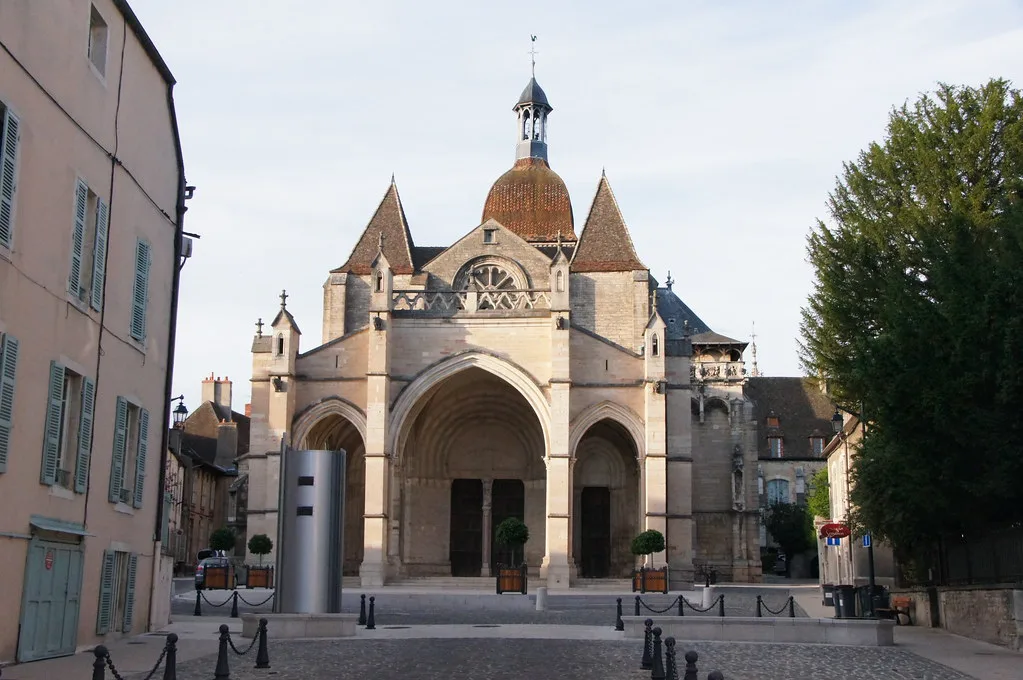
The collégiale Notre-Dame de Beaune is a short walk away and worth a look for its tapestries and its position above the rooftops. From there, the remparts de Beaune make a pleasant edge-of-town loop, and the Hôtel de Ville de Beaune gives you a fixed point in the centre if you lose your bearings. All of these sit within the same walkable circuit, which is why the museum works best as one element of a town day rather than a destination on its own.
Common mistakes on a first visit
The most common error is arriving without checking the day. A museum that closes one weekday will catch out anyone who assumes every French museum opens daily, and a wasted morning in a small town is hard to replace. Check before you leave your accommodation, and keep a wet-weather alternative ready in case a room or an exhibition is closed for installation.
The second mistake is over-scheduling. Beaune is a town you absorb on foot, and cramming the museum, the Hôtel-Dieu, two churches and a park into one afternoon turns a pleasure into a route march. Pick two anchor visits and let the rest of the day fill itself. For orientation before you arrive, the Beaune Neighborhoods guide is a sensible read, and the wider list of things to do in Beaune helps you choose those two anchors.
Plan Your Visit
The Musée des Beaux-Arts de Beaune is a modest, worthwhile stop that fits neatly into a walkable day in the old centre. Confirm its opening days and admission on the museum's own pages or at the tourist office, then build the rest of the day around the Hôtel-Dieu and the collegiate church. Start with the Beaune Attractions: 6 Visitor Guides page if you want the full set of sights in one place.
Frequently Asked Questions
Is the Musée des Beaux-Arts de Beaune worth visiting?
It is worth an hour if you enjoy small provincial fine-arts collections and want a quiet counterpoint to the Hôtel-Dieu. It is not a blockbuster museum, so travellers who want big-name galleries should weigh it against the town's other sights rather than making it the centrepiece.
How long does the museum take?
Allow around an hour for the permanent rooms, plus extra time if a temporary exhibition is running. That fits comfortably into a half-day that also covers the Hôtel-Dieu and a walk through the old centre.
When is the museum open?
Opening days are set by the museum and can change with the season and with exhibitions. Confirm them on the museum's own pages or the Beaune tourist office listing before you travel, and check again on the morning of your visit.
How much does entry cost?
Admission is set by the museum, and the current rate is published on its own pages and at the tourist office. Ask there about any combined ticket covering several sites in town, and compare it with paying separately at each door.
What else is nearby in Beaune?
The Hôtel-Dieu des Hospices de Beaune and the collégiale Notre-Dame de Beaune are both a short walk away, and the remparts make a pleasant edge-of-town loop. All three fit within the same compact old-town circuit as the museum.
Do I need to book in advance?
Booking rules depend on the museum and on whether a temporary exhibition is drawing crowds. Check the museum's own ticket page for current policy before you go, and reserve through the official channel rather than a reseller if booking is advised.