Is Metz Worth Visiting? An Honest Answer for a Short Break
Is Metz worth visiting? Yes for a compact old town, a cathedral with vast stained glass and a satellite Pompidou. Here is who it suits on a short break.
On this page
Yes, Metz is worth visiting, but for a specific kind of short break rather than a long one. The city pairs a walkable historic core with a satellite branch of the Centre Pompidou, and it is honest about being a compact destination: one solid day covers the essentials, and a second day needs a plan.
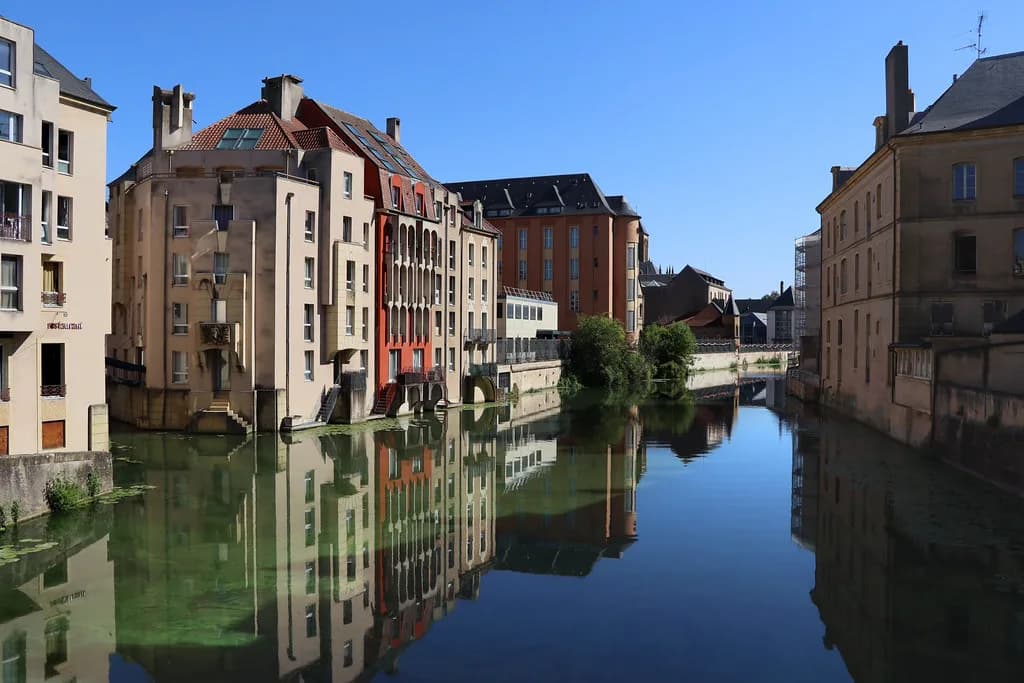
The city sits in the Grand Est region on the Moselle, and the local tourist board groups its sights into Gallo-Roman remains, medieval streets, 18th-century French squares, the Imperial District and contemporary architecture. That mix is the appeal, and it also explains the limits: Metz rewards a focused weekend rather than a week.
Is Metz worth visiting? The short answer
Book Metz if you want a handsome, manageable French city where the headline sights sit within walking distance of each other. The cathedral glass and the Centre Pompidou-Metz do the heavy lifting, and the streets between them are pleasant rather than spectacular.
Skip it if you need big-city energy, a packed museum trail or a week of activities. Metz is a short-break base, not a long-stay destination, and the contrast with Paris or a larger regional capital is real. If you want a Provençal or southern comparison instead, the same verdict format applies to whether Aix-en-Provence is worth visiting and whether Arles is worth visiting.
The city pitches itself as a creative and sustainable European destination, with heritage and contemporary architecture side by side, and that framing is a fair summary of what a weekend delivers. Treat the tourist board's own itinerary suggestions as the spine of your planning, then add your own pace.
How Metz is laid out on foot
Metz works as a walking city because the sights cluster into a few quarters rather than scattering across suburbs. The historic centre, the station area and the Imperial District, and the Pompidou quarter can each be handled on foot, with short transitions between them.
Organise your day by quarter rather than by checklist. Start in the old town, walk out to the station and Imperial District, then finish at the Pompidou, so you avoid criss-crossing the centre and wasting the daylight you came for.
The tourist board publishes exploration routes built around how much time you have, from two hours to two days, which is a useful sanity check on your own plan before booking train tickets.
What you can actually see in a day
One day in Metz covers the cathedral and its glass, a wander through the medieval streets, a look at the 18th-century squares and a couple of hours at the Centre Pompidou-Metz. That is a full day without rushing, and it is the version most weekenders should book.
Build the day around the two anchors and let the rest fill the gaps between them. The cathedral is the reason many people come; the Pompidou is the reason to stay a night rather than pass through.
If your time is tight, the tourist board's own short itineraries show what the city thinks fits into half a day and a single day, so you can decide honestly what to cut.
What a second day adds
A second day in Metz is where the trip either deepens or stalls. The Gallo-Roman remains, the Imperial District architecture and the station quarter reward a slower look, and a second museum or a longer lunch fills the rest.
Plan day two deliberately rather than hoping the city will supply it. Pick one district to explore properly and one indoor stop, and the day holds together; arrive with nothing booked and you may find yourself done by early afternoon.
Travellers weighing a two-night stay against a single night should read the city as a one-day destination that stretches to two with effort. That is not a criticism; it is useful when you are choosing between Metz and a bigger city.
The cathedral and its stained glass
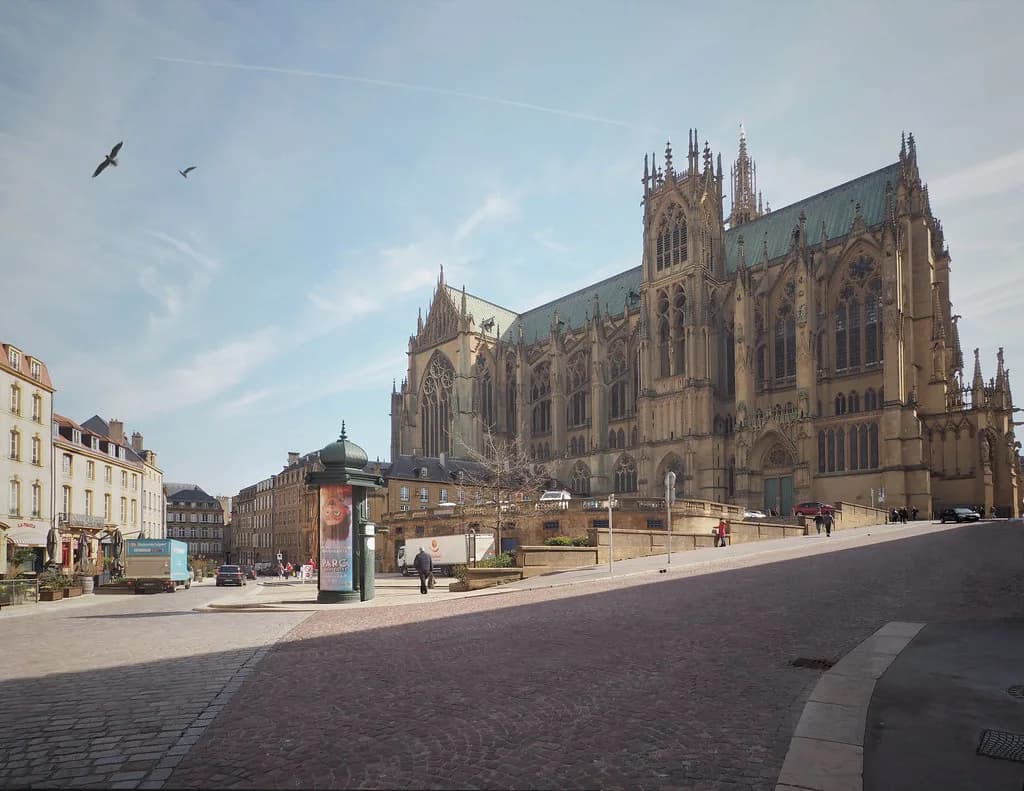
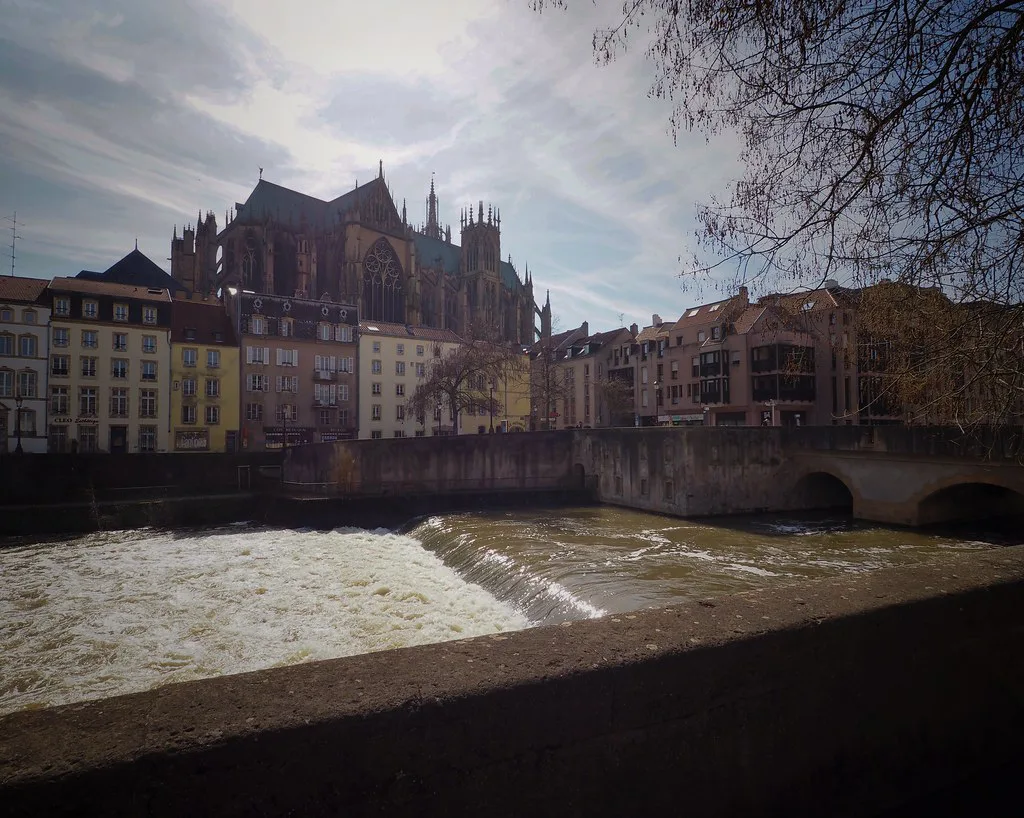
Metz Cathedral is the city's defining sight, and the stained glass is the reason to give it real time rather than a quick look. The windows span centuries of work, and the interior is the single strongest argument for the trip.
Pair the cathedral with the surrounding medieval streets so the visit reads as a district rather than one building. That cluster is also the most atmospheric part of the centre for an unhurried walk.
If you are travelling on a budget, the cathedral and the streets around it belong on your free list, and the free things to do in Metz guide shows how to build a low-cost day around them.
Centre Pompidou-Metz
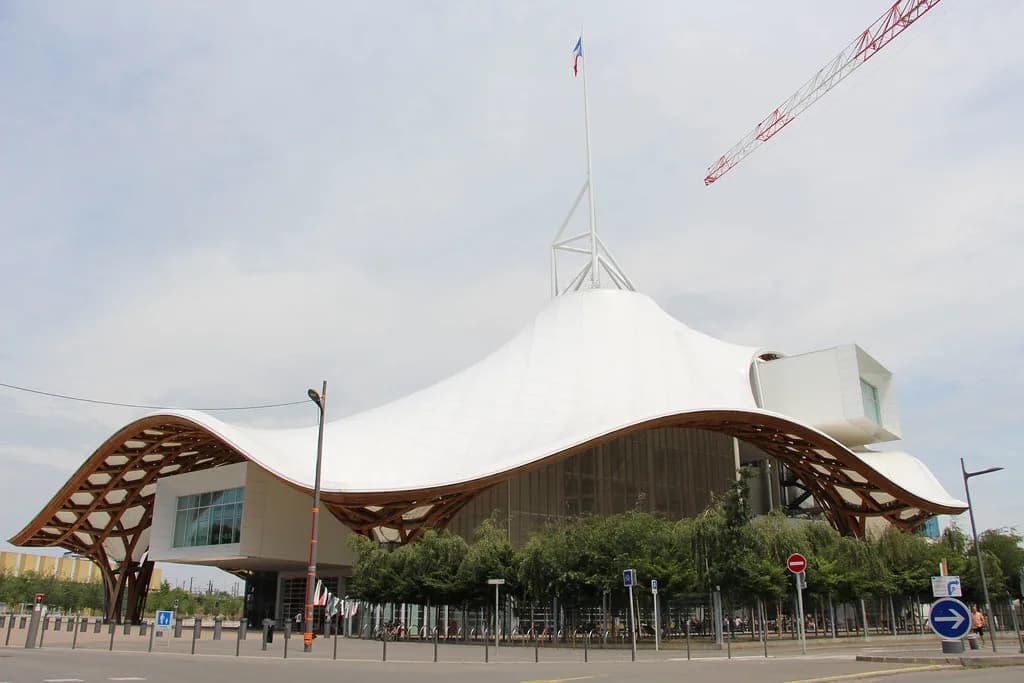
The Centre Pompidou-Metz is the city's contemporary counterweight, a satellite of the Paris institution and the second anchor of any weekend. Its exhibitions change, so what you see depends on when you travel, and the building itself is part of the draw.
Give it a proper block of time rather than squeezing it between other stops. Checking the current exhibition and ticket arrangements before you travel is worth the few minutes, because the programme rather than the permanent collection drives the visit.
The Pompidou also anchors the wider things to do in metz list, where it sits alongside the cathedral as one of the two sights that justify the trip on their own.
The Imperial District and the station quarter
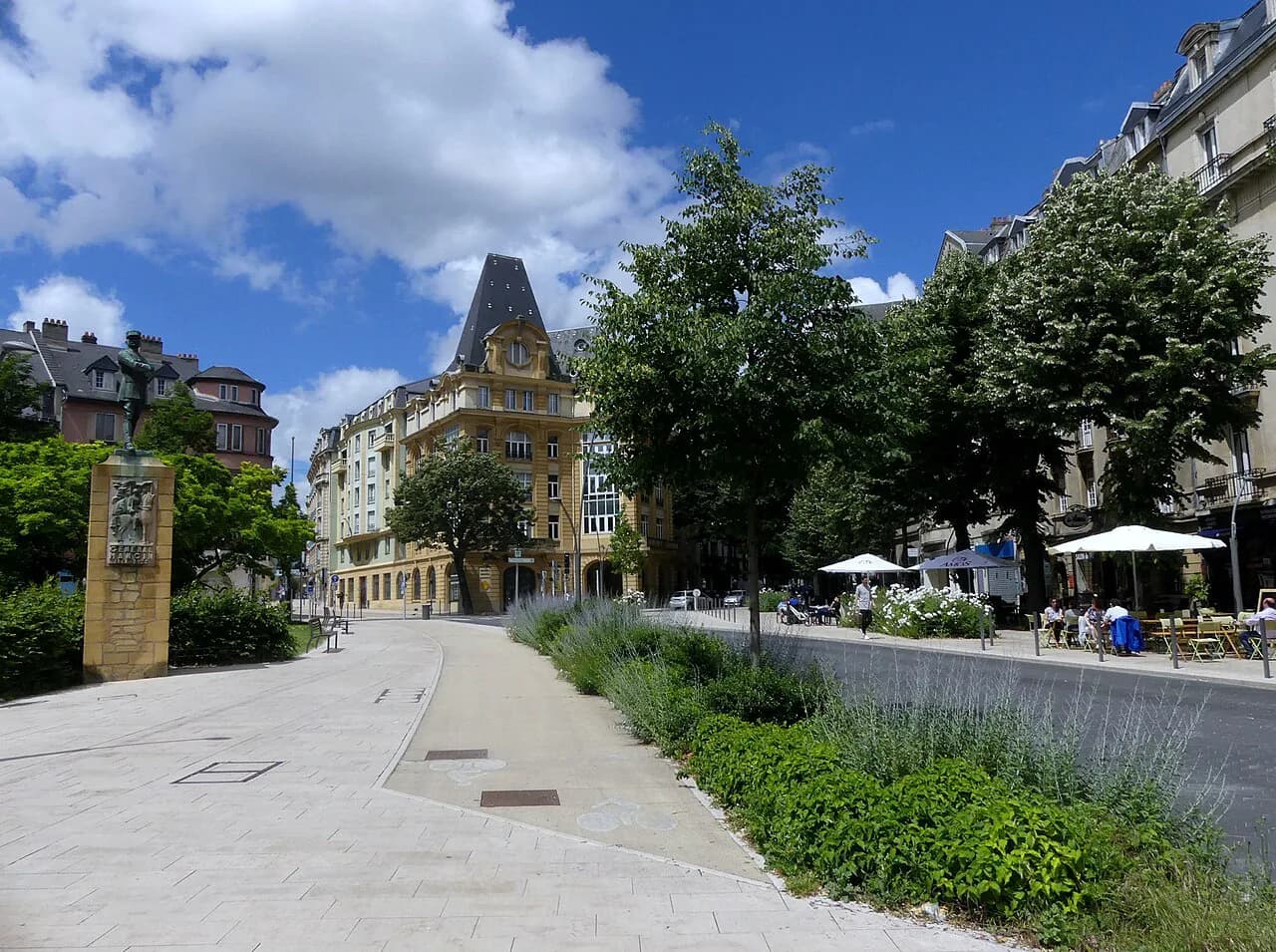
The Imperial District and the station quarter give Metz its second architectural register, with grand 19th-century and early 20th-century set pieces that feel quite different from the medieval centre. This is the part of the city that surprises visitors who expected only a cathedral town.
Walk this area on the way to or from the Pompidou rather than as a separate expedition, since the geography lets you stitch it into the same half-day. The tourist board's own summary places the Imperial District alongside the Gallo-Roman and medieval layers as part of the city's heritage mix.
Architecture-led travellers often rate this quarter above the old town. If that sounds like you, weight your day accordingly and give the centre less time.
Gallo-Roman remains and medieval streets
Metz has genuine Roman roots, and the surviving Gallo-Roman remains add a layer that most French short-break cities cannot match so compactly. They are modest in scale, so treat them as part of a walk rather than a destination in themselves.
The medieval streets are the connective tissue of the centre and the reason the old town repays slow walking. Combine the two and you get a coherent historic morning without any single sight carrying the whole slot.
History-led visitors should note that the city's heritage offer is spread across periods rather than concentrated in one museum, so a walking plan serves you better than a single-ticket strategy.
18th-century squares and shopping streets
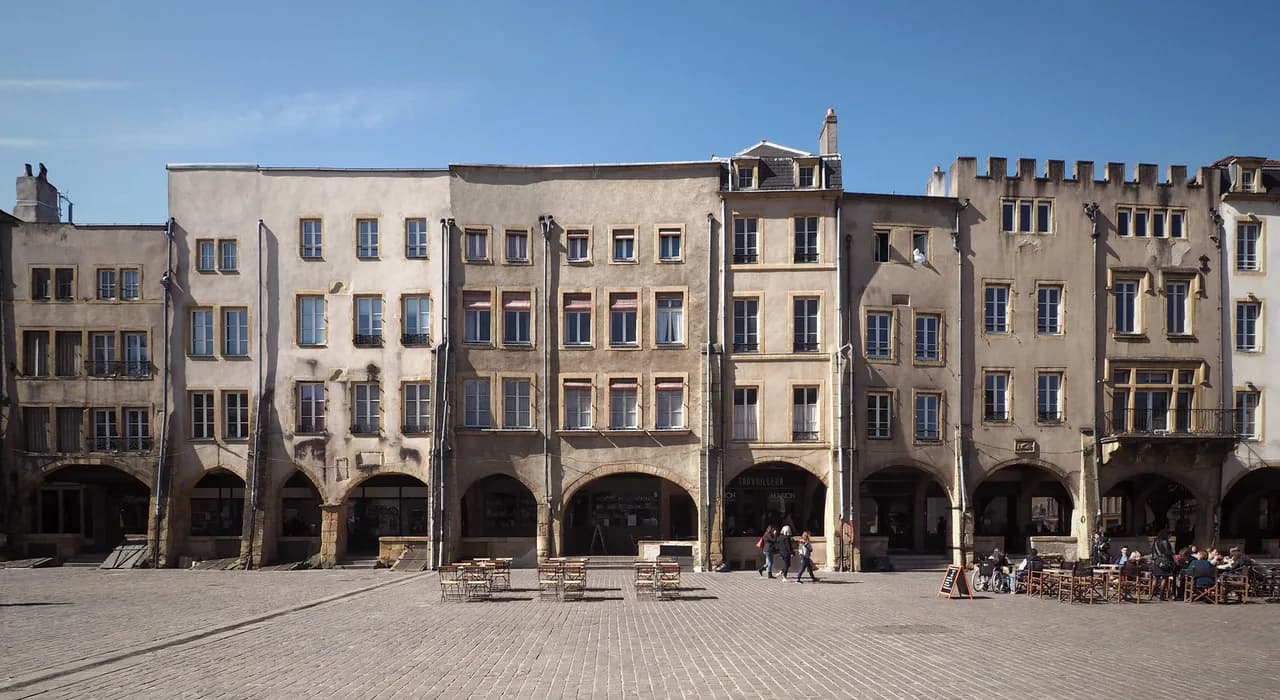
The 18th-century French squares give the centre its formal, elegant face, and they sit naturally on a shopping walk through the middle of town. This is where Metz feels most like a comfortable provincial capital rather than a heritage site.
Sunday and lunchtime closures vary by shop type and by day, and no reliable city-wide rule applies, so check the specific shops you care about. Build your shopping into a weekday or Saturday afternoon and you avoid the question entirely.
The tourist board lists shopping and gastronomy as separate strands of the destination, which is a fair signal: the retail here is pleasant rather than a reason to come on its own.
Mirabelle plums and eating in Metz
Mirabelle plums are the local speciality worth seeking out, and they turn up in tarts, jams and eaux-de-vie across the region. The tourist board treats gastronomy and mirabelles as a distinct part of the destination's identity, which is a good steer for what to order.
Lorraine cooking is hearty and meat-led, with the quiche and the local charcuterie doing more work than delicate plates. If you want a lighter meal, plan around lunch rather than dinner.
For where to eat, the best restaurants in Metz guide covers the practical choices, and it is worth reading before booking a table for a Saturday night.
When to go: seasons and climate
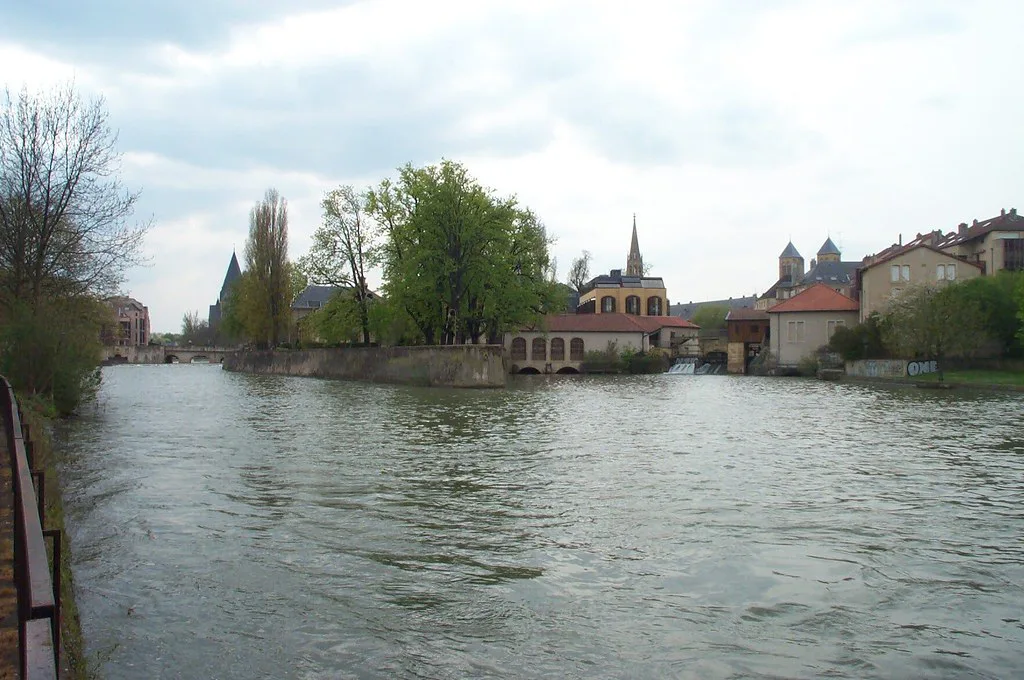
Metz sits inland in the Grand Est, which means proper seasons rather than a mild coastal climate. Spring and early autumn give you the best balance of daylight and comfortable walking weather for a city break built on strolling between quarters.
The tourist board's opening times for its own office shift by season, with longer summer hours and a winter pattern, which is a small but useful signal of when the city expects visitors.
Winter visits are quieter and cheaper in feel, but shorter days compress what you can see on foot. If you go in the colder months, front-load the outdoor walking and save the Pompidou for the afternoon.
Metz versus a bigger French city break
Metz's main comparison is with larger French cities that offer more volume but less ease. What Metz gives you is a compact centre you can cross on foot and two strong anchors; what it lacks is the depth of choice a bigger city provides when it rains or when you want a third day.
Against Nancy, the honest position is that both are handsome eastern cities with strong squares, and the choice comes down to which specific sights appeal rather than a clear winner. Against Paris, Metz wins on calm and loses on range.
Travellers who want the same honest-verdict treatment for other French cities can use the Metz Attractions hub to see how the guides are grouped, then apply the same questions to each destination.
Who Metz suits, and who should skip it
Metz suits couples and solo travellers who like architecture, stained glass and contemporary art, and who are happy to walk a compact centre rather than chase a checklist. It also works well for a first French city break outside Paris where the pace matters more than the volume.
It suits less well anyone who needs a full week of activities, a beach, or a big-city restaurant scene. Families will find enough for a day or two, but the city is not built around children's attractions.
The clearest way to decide is to ask whether the cathedral glass and the Pompidou excite you. If both do, book; if neither does, spend your weekend somewhere with more of what you actually want.
Practical notes: getting there and getting around
Metz is reached by train from Paris and other French cities, and the station quarter is itself part of the sightseeing rather than a place to hurry through. Arriving by rail puts you within walking distance of the centre, which is the main practical argument for the city as a car-free weekend.
Once there, you do not need transport for the centre; the quarters connect on foot, and that is the whole point of a Metz weekend. The tourist board keeps a live events calendar if you want to check what else is on during your dates.
If markets are part of your plan, read the Markets in Metz guide before you set out, since market days vary and a wasted morning is a real cost on a two-night trip; check current days and hours with Inspire Metz or the market organisers.
Plan Your Visit
Metz is worth visiting for one full day and a second if you plan it, with the cathedral glass and the Centre Pompidou-Metz as the two reasons to go. Book it as a compact short break, not a week-long destination, and you will get what the city actually offers.
Use the things to do in metz guide to build your day by quarter, check the Pompidou programme before you travel, and keep one flexible slot for whichever district appeals on the ground.
Frequently Asked Questions
Is Metz worth visiting for a weekend?
Yes, for a focused weekend. One full day covers the cathedral, the medieval streets and the Centre Pompidou-Metz, and a second day works if you plan a district and an indoor stop in advance. It is a compact city, so the risk is running out of things rather than running out of time.
What is there to see in Metz?
The main sights are the cathedral with its stained glass, the Centre Pompidou-Metz, the medieval streets and 18th-century squares of the centre, the Imperial District and station quarter, and the Gallo-Roman remains. The tourist board groups these into heritage layers and publishes walking itineraries by length of stay.
Is one day in Metz enough?
One day covers the essentials if you start early and group sights by quarter. You can see the cathedral, walk the old town, take in the squares and spend a block at the Pompidou. A second day adds depth to the Imperial District and gives you time for a museum or a longer lunch.
Is Metz better than Nancy?
Both are handsome eastern French cities with strong squares and historic centres, and there is no clear overall winner. Choose Metz if the cathedral glass and the satellite Pompidou appeal; choose Nancy if its own architecture and squares are what draw you. Compare the specific sights rather than the cities in the abstract.
How far is Metz from Paris?
Metz is in the Grand Est region on the Moselle and is reached by train from Paris, with the station quarter within walking distance of the centre. Check current journey options and times when you book, since schedules change by season.
When is the best time to visit Metz?
Spring and early autumn give the best balance of daylight and comfortable walking weather for a city break built on strolling between quarters. Winter is quieter but the days are short, so front-load outdoor walking and save the Pompidou for the afternoon.
Sources
Notes for French city breaks
Optional updates to our guides.
You might also like
Continue reading
More guides you'll find useful