Shopping in Metz: Streets, Markets and Local Buys
Plan shopping in Metz with its central streets, markets, independent boutiques and local buys, plus the closing days and walking distances to plan around.
On this page
Shopping in Metz fits neatly into a short break because the retail centre is compact and walkable, with the main streets and squares close enough to cover in an afternoon. Treat it as one block of a weekend rather than the purpose of the trip, and you will still come home with something better than an airport souvenir. The practical variable is timing: market mornings, boutique afternoons and Sunday closures pull in different directions, so start with our guide to the market and work outwards.
The city's own tourism office groups the local retail scene under shopping in Metz and the Euro-Métropole, pointing visitors towards second-hand clothing and to art galleries and creative boutiques. That framing is useful: the interesting buys here sit in small shops and market stalls rather than in a single mall. Build your plan around those two strands and the geography falls into place.
Why shop in Metz: a compact centre you can cover on foot
Metz rewards shoppers who stay central. The historic core, the shopping streets around it and the market all sit within a walkable area, so you can browse, buy and drop bags back at your base without needing transport. That matters on a two-night break, when a tram ride to a retail park eats an hour you could spend on the cathedral and the riverside.
The trade-off is scale. This is not a big-city shopping destination with department-store flagships on every corner, and anyone arriving expecting Paris-level retail will be disappointed. What Metz offers instead is a manageable grid where independents, second-hand shops and galleries sit close together, which suits a browse-and-stop rhythm rather than a full shopping day. Read it as a complement to sightseeing, not a rival to it, and browse our things to do in Metz guide before you commit the afternoon.
How the shopping areas fit together
Think of Metz shopping in three layers. The centre-ville holds the walkable streets and squares; the covered market supplies the food side; and outlying retail, including larger stores along the Euro-Métropole edge, needs a bus, tram or car. For a weekend, the first two layers do almost all the work.
A useful anchor for the central layer is the tourism office itself at 2, place d'Armes, which keeps published opening hours that shift by season: in January it opens Monday to Saturday and closes on Sundays, while from February to March it also opens on Sundays and public holidays, and from April to September and during the Christmas market period it opens daily. Picking up a city map there is a sensible first move before you start walking the shopping streets.
If you only have one day, the central layer is the one to prioritise. A wider city plan helps you slot shopping around the sights rather than letting it swallow the afternoon, and our suggested route keeps the two in balance.
The main shopping streets and squares of the centre-ville
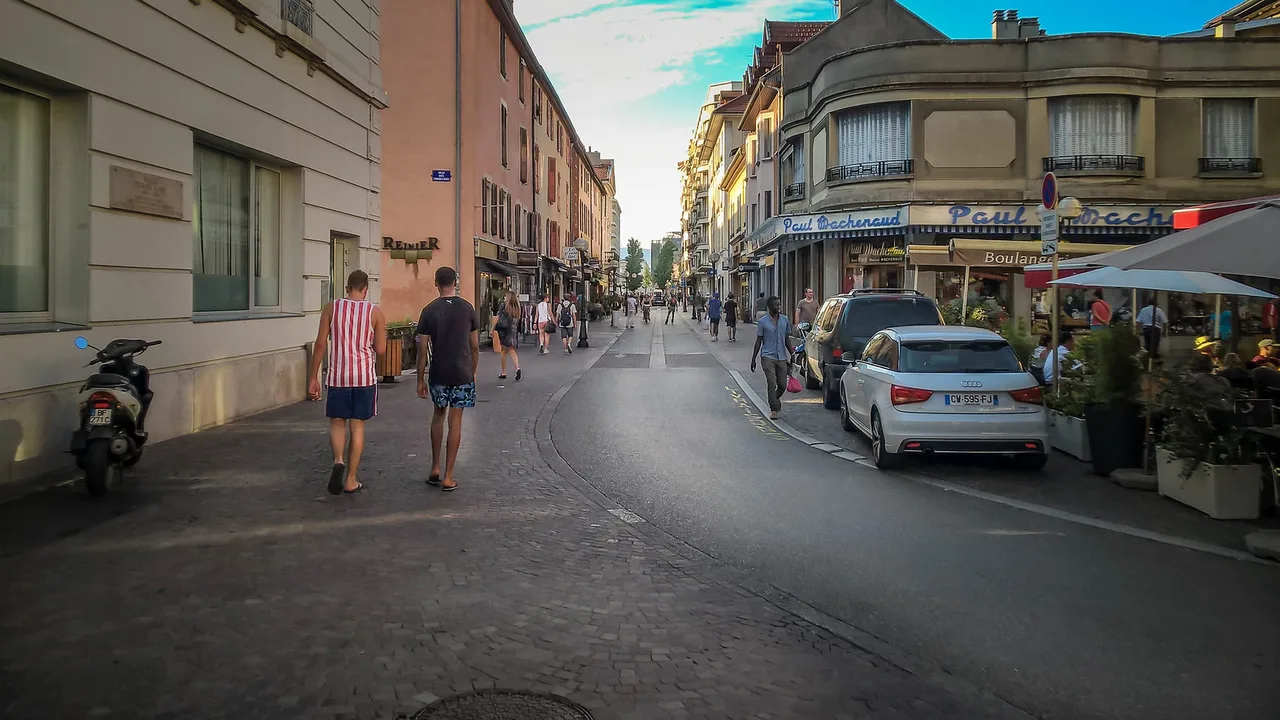
The centre-ville grid is where most browsing happens, and place d'Armes works as a natural starting point since it holds the tourism office and sits beside the old town. From there you can drift through the surrounding pedestrian streets without a fixed route, dipping into shops as they appear. The pleasure here is the density rather than any single flagship.
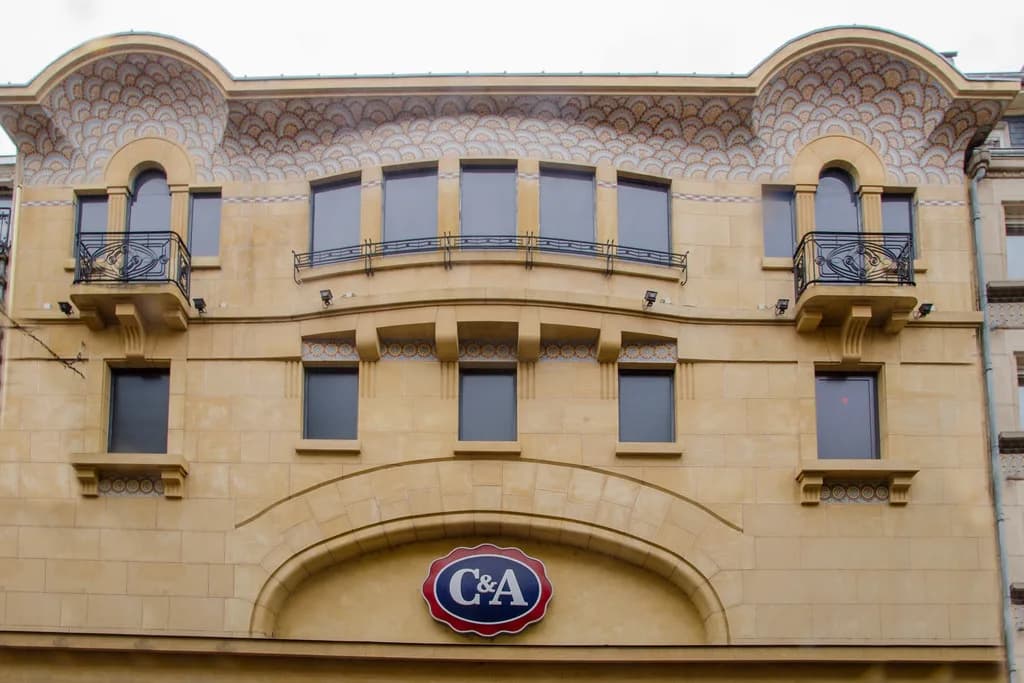
Beyond the historic core there is retail on a larger scale: a store listing for Metz places a branch at 4 rue Winston Churchill in the 57000 postcode, which gives you a named address if you want to steer towards bigger-brand shopping. Use that as a marker rather than a destination in itself, and ask at the tourism office for a current street map before setting out.
Shoppers who enjoy comparing French cities will find Metz's centre smaller and calmer than the big retail cities. Our guides to shopping in Lyon and shopping in Cannes show the other end of the scale, with Lyon's spread built around Place Bellecour and Cannes' concentrated on La Croisette. Metz sits firmly in the short-break category.
Covered market and flea markets: what they sell and when they run
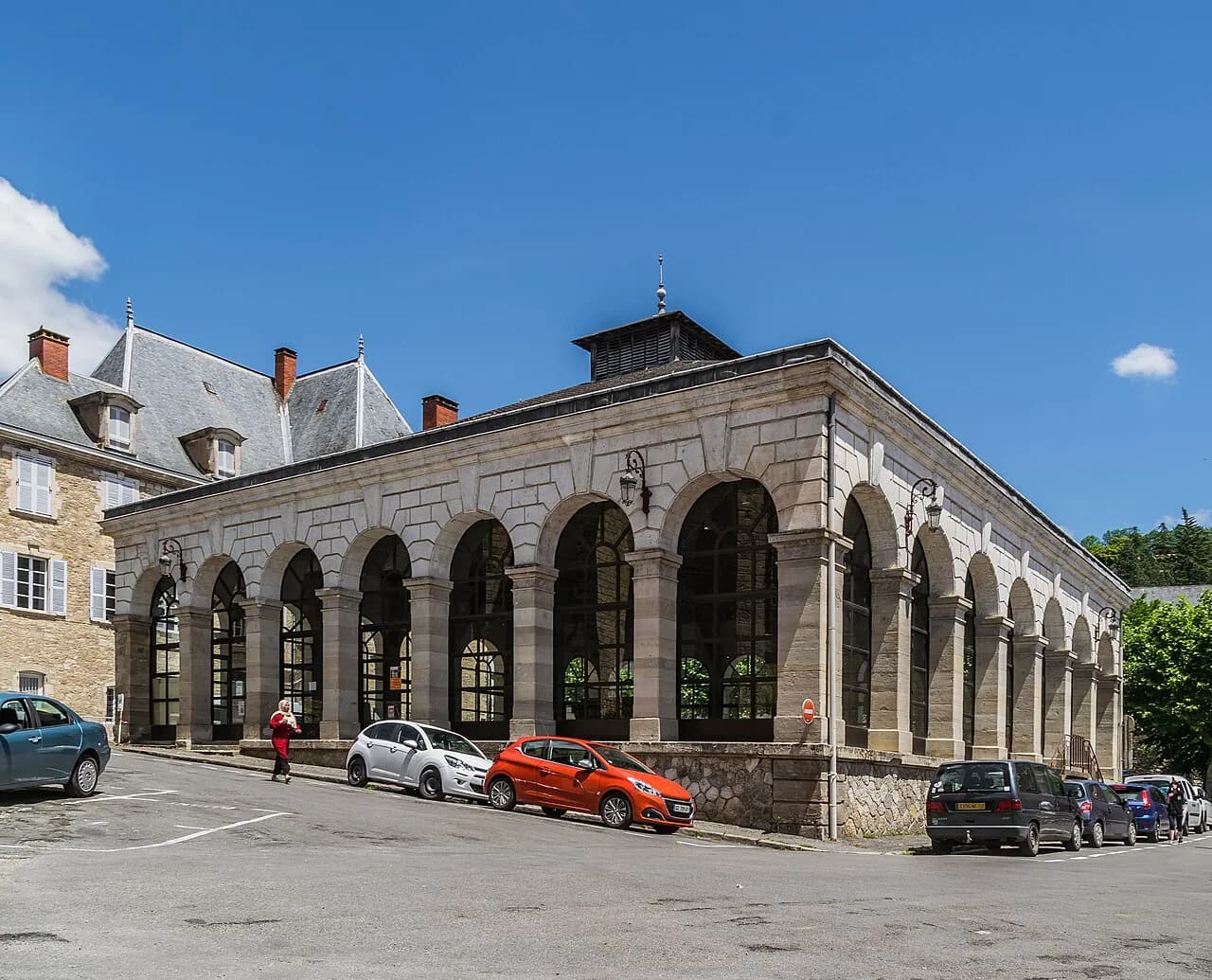
The covered market is the food-shopping heart of the city. Visitor reviews describe it as strong on meat, both fresh and preserved, with a narrower choice of vegetables and fruit, so arrive intending to buy charcuterie, pâtés and similar produce rather than a full week's groceries. That makes it ideal for edible souvenirs that survive the train home.
Flea and street markets appear in the same listings, and they suit a different kind of shopping: browsing for old objects, textiles and odds and ends rather than provisioning. Treat these as morning activities, bring cash, and go early, since the best stalls thin out as the day goes on.
Specific market days vary by market, so the reliable move is to confirm the schedule with the tourism office before you build a morning around one. That single check prevents the classic weekend disappointment of arriving at an empty square with a folded tote bag.
Independent shops, second-hand and creative boutiques
The tourism office separates out second-hand clothing shops and art galleries and creative boutiques as the distinctive strands of Metz retail, which is a good filter when you are short of time. Second-hand shops reward unhurried browsing, while the galleries and creative boutiques are where you find locally made pieces worth carrying home. Neither needs a full day.
Plan an hour for a loop of the independents after the market closes, when you are not carrying produce. Small shops in French cities commonly keep their own idiosyncratic hours, so walking past is the only dependable test. That approach fits Metz's compact centre well, because a closed door costs you a few steps rather than a journey.
Local products and souvenirs worth buying, and what to skip
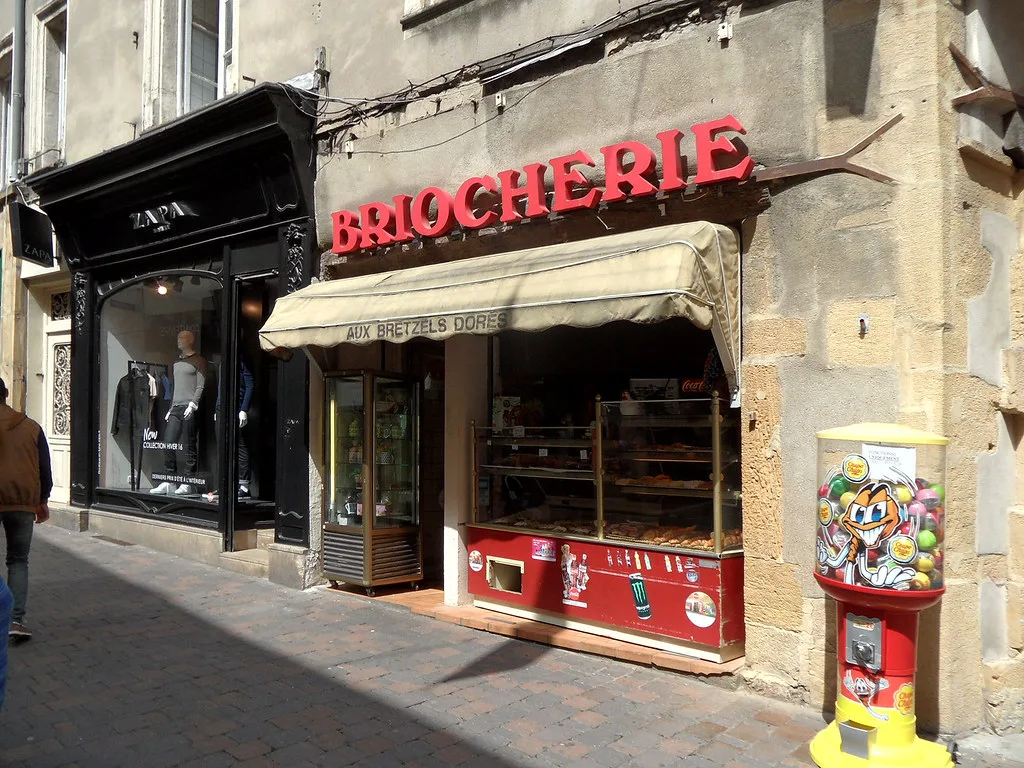
The best buys in Metz are edible and regional: preserved meats, pâtés and other charcuterie from the covered market travel well and say more about Lorraine than a generic fridge magnet. If you want a dish to seek out while you are in town, fuseau lorrain, the region's smoked pork tenderloin, is the local plate to look for. Our picks for the best restaurants in Metz help you turn shopping into lunch.
What to skip is anything you could buy in any French city. Spend the budget on market produce and a piece from a creative boutique instead, and treat branded chain shopping as a fallback for a rainy hour. If your case is tight, buy food last so it sits on top of the packing.
Sunday, Monday and lunchtime closing habits to plan around
Closures, not distances, are what usually disrupt a shopping plan in a French city, and Metz is no exception. The tourism office's own published hours give the clearest illustration: it is closed on Sundays in January, opens on Sundays and public holidays from February to March and October to November, and opens daily from April to September; it closes on 25 December and 1 January. Use that pattern as a prompt to confirm the hours of any shop you particularly want.
The practical response is simple. Front-load market and boutique shopping onto Friday afternoon and Saturday morning, keep Sunday for sights and walking, and leave any specific shop you care about for a weekday if your break allows. A short weekend that lands on a Sunday and a Monday is the one to plan most carefully.
Museums are a useful fallback when shops go quiet; check current opening times before you go, since French museums often close one day a week.
Typical costs and how to budget a shopping afternoon
Market produce and small boutique pieces are where a shopping budget goes furthest in Metz; the spend at the market is entirely what you choose to buy. Set a cash limit for the market before you walk in, and keep card for the shops. If your break coincides with a free cultural stop, put the saved money towards the market instead.
The larger retail names and the outlying Euro-Métropole stores carry standard French pricing, which means no particular bargain and no particular premium. Buy what you need and keep the budget for the region's food and craft, which is where Metz offers something you cannot get at home.
Where to pause for a coffee or lunch between shops
The compact centre makes it easy to break shopping with a proper sit-down meal rather than a rushed snack, which is the better use of a short break. Aim for lunch around 12.30 to 13.30 while shops are quiet, then resume browsing in the afternoon. A market morning followed by a long lunch and a slow independent-shop loop is the rhythm that suits Metz best.
Practicalities: getting around on foot, payment and carrying purchases
Walking is the default in the centre, and the distances are short enough that a single afternoon covers the shopping streets, the market hall and place d'Armes without transport. For the outlying Euro-Métropole retail, use public transport and combine it with another errand rather than making a special trip.
Carry a reusable tote for market purchases, since produce and preserved meats are awkward in paper bags, and keep small cash for stalls. Cards work for most shops, but a market stall is the wrong place to discover an empty wallet. Buy perishables on your last morning, not your first.
Fitting shopping into a weekend in Metz
The workable weekend shape is a Friday afternoon of central browsing, a Saturday morning at the market followed by independents, and a Sunday given over to the cathedral, the old town and the river. That keeps shopping contained to a block and a half of your trip while still leaving time to actually see the city.
If you are weighing up whether the city earns a slot in your calendar at all, our honest answer on whether Metz is worth visiting sets out what a short break here delivers and what it does not. For anyone already committed, shopping is the easy win: compact, inexpensive to browse and close to everything else you came for.
Plan Your Visit
Metz shopping works best as a morning of market produce and an afternoon of independent boutiques and second-hand finds, all inside a walkable centre. Check market days with the tourism office before you set out, and keep the Sunday and Monday planning constraint in mind when you book. Do that, and a short break yields both a good lunch and something worth carrying home.
Explore more Metz guides
Frequently Asked Questions
What is there to buy in Metz?
The strongest buys are edible and regional: preserved meats, pâtés and charcuterie from the covered market, which travel well and last the journey home. The tourism office also points visitors towards second-hand clothing, art galleries and creative boutiques, so a locally made piece from a small shop is the other obvious purchase.
Where are the main shopping streets in Metz?
Browsing is concentrated in the walkable centre-ville grid around place d'Armes, where the tourism office sits beside the old town. Larger-brand stores sit further out, including a listed branch at 4 rue Winston Churchill in the 57000 postcode, which is worth the walk only if you want specific labels.
Are shops open on Sundays in Metz?
Expect Sunday to be quiet. The tourism office is closed on Sundays in January and opens on Sundays only from February to March and October to November, which sets a useful expectation for the surrounding streets. Plan market and boutique shopping for Friday afternoon or Saturday morning instead.
Does Metz have a covered market?
Yes, and it is the food-shopping centre of the city. Reviews describe it as strongest on meat, both fresh and preserved, with a narrower range of fruit and vegetables, so go intending to buy charcuterie and pâtés rather than a full shop. Arrive in the morning, since stalls wind down later.
How much should I budget for shopping in Metz?
Entrance to the covered market hall is free, so your spend is whatever you choose to buy, which makes a cash limit for the market the simplest control. Set that limit before you walk in, keep card for shops, and put the budget towards regional food and craft rather than branded goods you can buy anywhere.
Is Metz good for shopping on a weekend break?
It is good for browsing rather than for a dedicated shopping trip. The centre is compact, walkable and easy to combine with the cathedral, the old town and the river, but it has no department-store flagships. Give it a Friday afternoon and a Saturday morning, then hand Sunday to sightseeing.
Sources
Notes for French city breaks
Optional updates to our guides.
You might also like
Continue reading
More guides you'll find useful