
Antigone, Montpellier: a guide to Bofill's neoclassical quarter
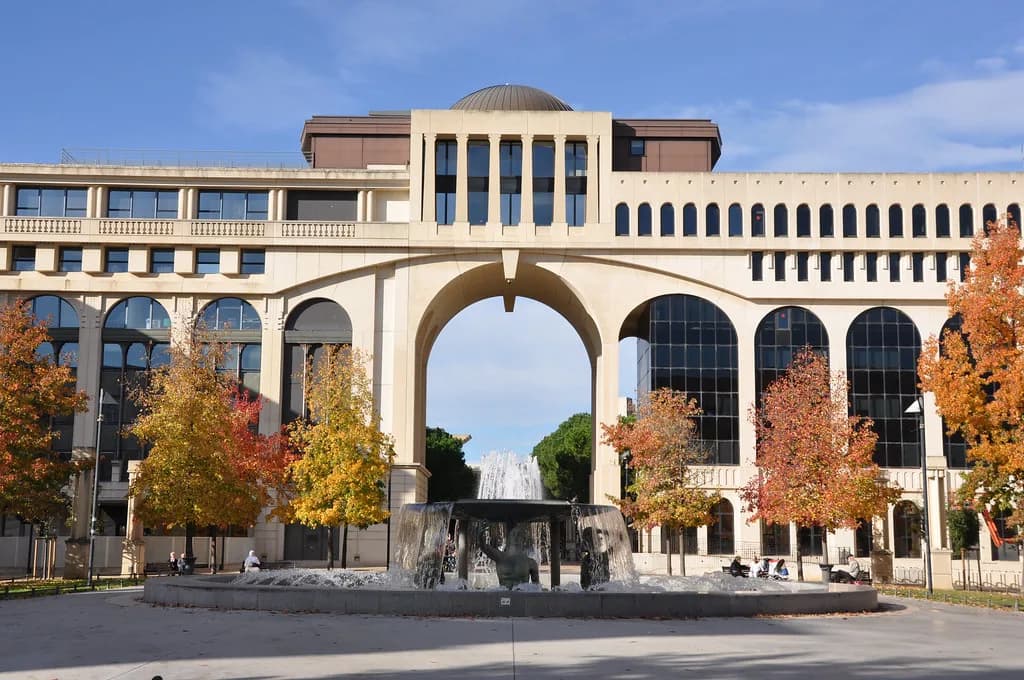
Antigone is a planned quarter of enormous white stone buildings faced with Greek porticos, set around geometric plazas and designed by Ricardo Bofill. It sits between the Lez river and the Place de la Comédie, which means you can walk it in a single sweep on the way in or out of the old town.
This is neoclassical spectacle rather than medieval charm. Come for the scale, the symmetry and the photographs; skip it if you want café-lined lanes and a lived-in old quarter.
What Antigone is
Antigone is a neoclassical district built on a monumental scale, its facades in pale stone and its entrances framed by porticos borrowed from Greek architecture. The effect is theatrical: long, repeated fronts rather than individual houses, arranged around open squares.
The architect is Ricardo Bofill, and the district is his vision of a classical city rendered in modern construction. Read the fronts as a single composition rather than a collection of separate buildings and the layout starts to make sense.
Where Antigone sits
The quarter lies between the Lez river and the Place de la Comédie, so it forms a natural bridge between the riverfront and the historic centre. Approaching from the Place de l'Europe end and walking towards the old town takes you through it in the direction the district was composed to be seen.
That position makes Antigone easy to fold into a city walk rather than a separate excursion: you pass through it on the way to somewhere else. If you are comparing areas before booking, the Montpellier Neighborhoods: 4 Area Guides give the wider picture of how the districts relate.
The character of the place
Expect geometry: wide plazas, hard edges and repeated white facades that catch the light. The scale is deliberately grand, and the district reads as a piece of urban design rather than an organically grown neighbourhood.
The architecture divides people. Some visitors find the classical references and the uniformity impressive; others find it cold and prefer the medieval streets a short walk away. Either reaction is a fair one, and knowing which camp you are in decides how long to stay.
Who it suits and who it does not
Antigone suits architecture lovers, photographers and families: the open squares give children room to move, and the buildings reward anyone interested in how a modern district borrows from classical form. It is also a sensible choice for travellers on a tighter budget, with affordable accommodation and dining in the area.
Skip it, or give it an hour rather than an afternoon, if you want nightlife or old-town atmosphere. The quarter is quiet in character and its food scene is thin, so evenings and long lunches belong in the centre.
What to see in Antigone
Two squares anchor a visit: Place de Thessalie and Place du Nombre d'Or. Both are framed by the district's signature white stone and porticos, and both are the places to stop, look up and take the photograph you came for.
The Lez riverfront completes the set. Walk it to see the district against water and to link Antigone back towards the rest of the city rather than treating it as an isolated set piece.
Photography timing
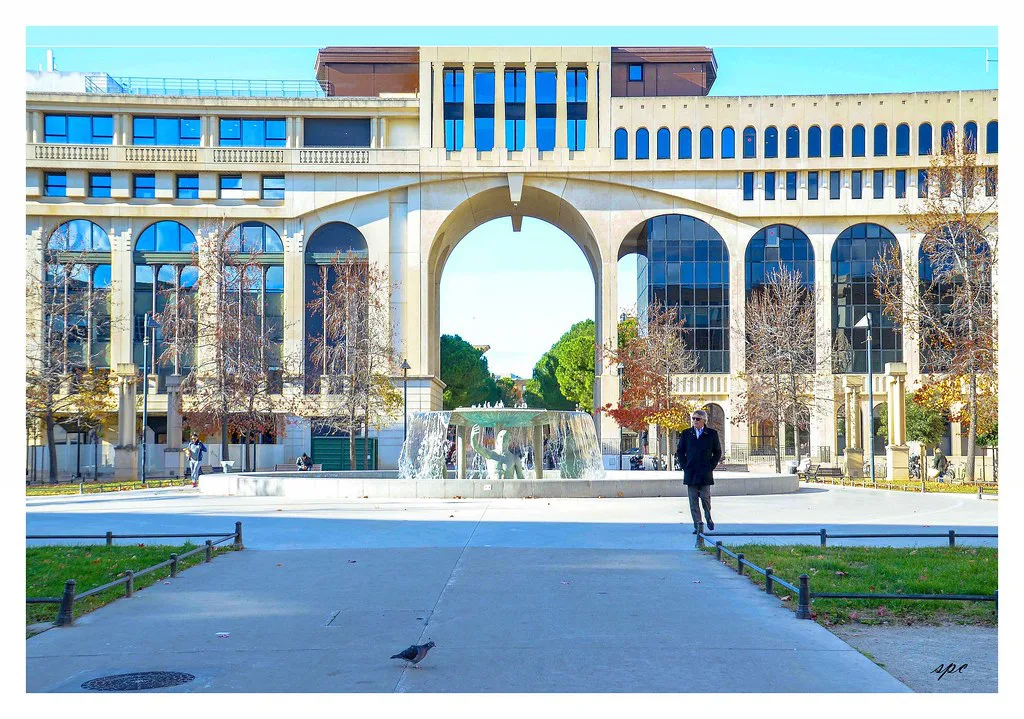
Golden hour is the time to photograph Antigone: low, warm light gives the pale stone depth and draws long shadows across the plazas. The white facades that look flat at midday gain texture and contrast late in the day.
Arrive early enough to walk the two main squares and the riverfront before the light goes. Because the district is compact, you can cover the best angles in one session rather than spreading them over several visits.
Getting there and around
On foot is the natural way to see Antigone. Walk in from Place de l'Europe at the river end, or approach from the old town via the Place de la Comédie, and the district unfolds along the way.
The area scores well for walkability but less well for food, nightlife and authenticity in one published neighbourhood assessment, which matches the impression of a place built for circulation and spectacle rather than lingering. Treat those scores as one reviewer's framing, not a verdict, and use them mainly to calibrate expectations.
Eating in Antigone
The district's food offering is limited: the same neighbourhood assessment scores dining low, so plan meals elsewhere rather than counting on a long lunch between the plazas.
The practical move is to see Antigone on the way into the centre and eat once you reach the old town, where the choice is far wider. If you want a different modern district to compare, Port Marianne is the other new quarter worth a look, much as the things to do in Perpignan show how another southern city balances its old core with newer quarters.
Where to stay in and around Antigone
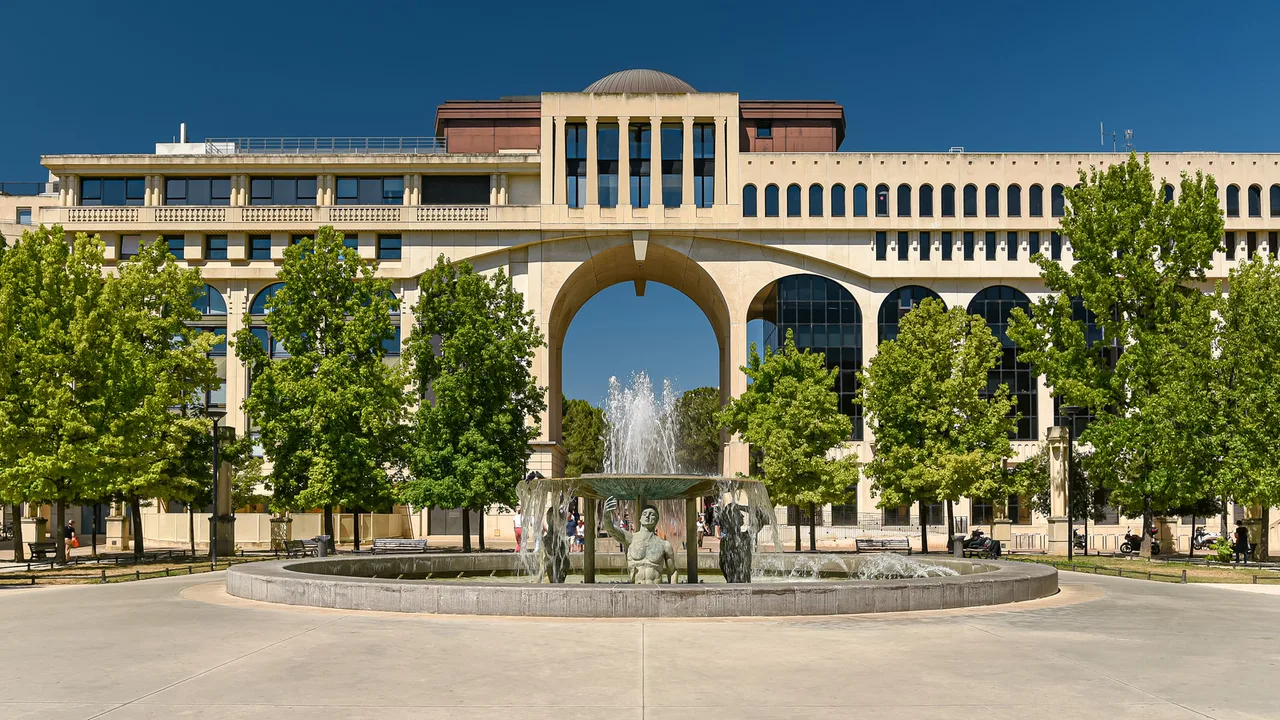
Antigone works as an affordable base close to the centre, with cheaper accommodation than you would typically find inside the historic streets. The trade-off is atmosphere: you sleep among monumental facades rather than medieval lanes, and you walk a little further for dinner and an evening out.
If you would rather be among students and market streets, Beaux-Arts is the alternative to weigh against it.
Antigone as half a day
Treat Antigone as half a day at most, paired with the Place de la Comédie and the old town. Start at the river, cross the two main squares, follow the Lez front, then continue into the centre for lunch and museums.
For a fuller city plan that fits Antigone into a weekend, use the things to do in Montpellier guide as your spine and slot the quarter in as a walking leg.
Trade-offs to weigh
Monumental architecture and excellent photography come at the cost of thin food and nightlife, and the district's authenticity scores poorly in the published assessment. You are visiting a designed set piece, not a neighbourhood with a long everyday life to observe.
If those trade-offs sound wrong for you, spend the time in the medieval streets instead and see Antigone only in passing on the walk between the river and the centre. The rest of the city's sights are gathered in the Montpellier Attractions: 6 Visitor Guides if you want to build the day around them.
Plan Your Visit
Antigone rewards a focused visit: walk in from Place de l'Europe, see Place de Thessalie, Place du Nombre d'Or and the Lez riverfront, and time it for late light. Give it an hour or two and keep the rest of the day for the old town.
Stay here if you want an affordable base near the centre, and eat elsewhere. Anyone after nightlife, market mornings and medieval atmosphere should look at the other Montpellier districts and treat Antigone as a walk-through.
Frequently Asked Questions
What is Antigone in Montpellier known for?
It is known for Ricardo Bofill's neoclassical design: vast white stone buildings with Greek porticos arranged around geometric plazas, notably Place de Thessalie and Place du Nombre d'Or, with the Lez riverfront alongside.
Who designed the Antigone district?
The architect is Ricardo Bofill. The district is his classical composition in modern construction, with repeated pale facades and porticoed fronts rather than individual houses.
Is Antigone worth visiting?
Worth it for architecture lovers, photographers and families, especially in late light when the white stone gains depth. Skip it or pass through quickly if you want nightlife, old-town atmosphere or a strong food scene.
How do you walk from Antigone to Montpellier's old town?
Approach from Place de l'Europe at the river end and walk towards the Place de la Comédie, crossing the plazas and following the Lez front on the way into the centre.
Where do you eat in Antigone?
Dining is limited in the district itself, so plan to eat in the old town after your walk rather than relying on a long lunch between the squares.
Is Antigone good for families?
Yes. The open plazas give children room to move, the architecture is easy to walk, and accommodation in the area is affordable, which suits families on a budget.