
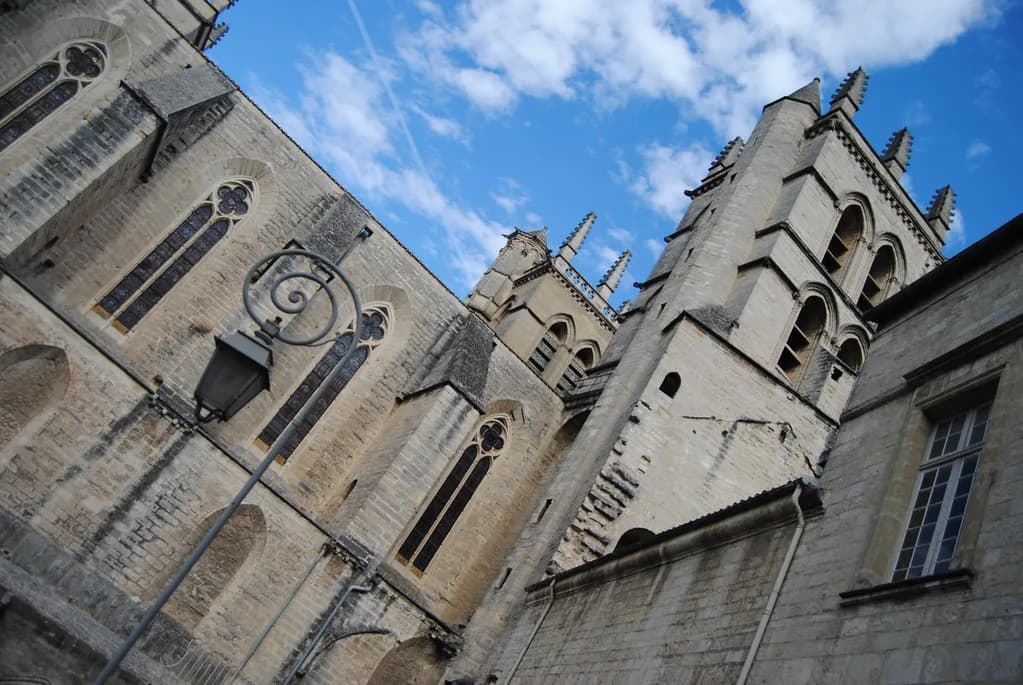
Figuerolles, Montpellier: What the District Is Like and Who It Suits
Figuerolles is a residential district on the south-western edge of central Montpellier, not a monument-heavy quarter. If you are choosing where to base yourself for a short break, treat it as a quieter, everyday alternative to the historic centre rather than a sightseeing hub in its own right. It works best for travellers who want local streets and a short walk or tram ride into the old town.
What Figuerolles is and where it sits in Montpellier
Montpellier's visitor board groups Figuerolles with neighbouring Celleneuve as districts with their own particular flavours and identities, distinct from the polished centre. Both sit west and south-west of the Écusson, the old town, on the same side of the city. Think of Figuerolles as part of the everyday city that wraps around the historic core rather than a set-piece attraction.
For orientation, place it relative to the districts you already know: the Écusson and Place de la Comédie lie to the north-east, while the newer riverside quarters of Port Marianne and Antigone stretch away towards the Lez. Figuerolles belongs to the older, denser belt of streets on the opposite, western side of the centre. That matters when you plan walking routes, because a base here puts the old town on one side and residential Montpellier on the other.
The character of the district and who it suits
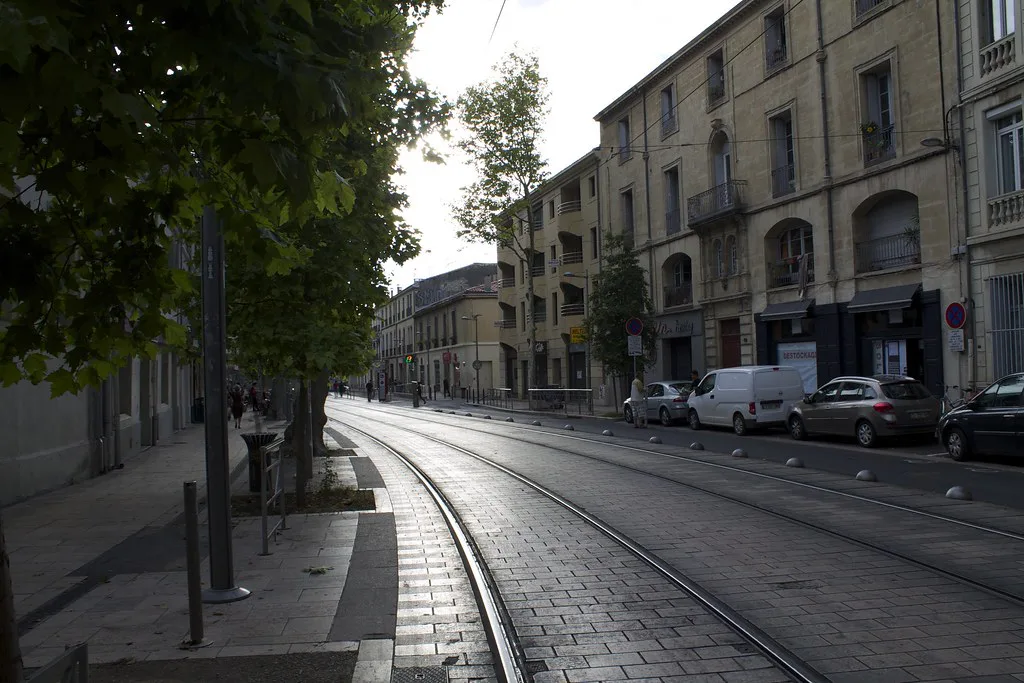
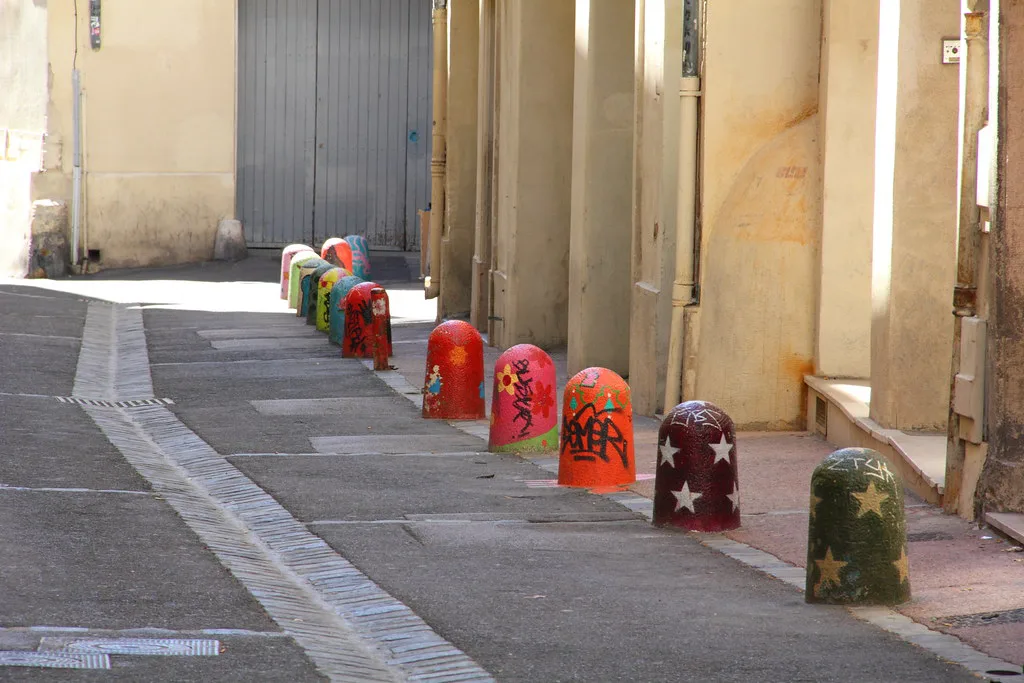
This is a lived-in quarter of small streets and local commerce, the kind of place where the city's daily rhythm matters more than its postcard views. Montpellier's own tourism material frames Figuerolles and Celleneuve together as neighbourhoods with strong, distinct characters rather than as a single visitor trail. Come here expecting atmosphere and everyday life, not ticketed sights.
It suits travellers who have already seen the Écusson and want to spend a morning or an afternoon in a normal residential quarter, and anyone who prefers quieter streets to a hotel-heavy centre. It suits less well if your short break is built around museums, monumental squares and evening bustle within a few minutes of your bed. If you want the city's headline sights on your doorstep, a base nearer the centre or in the newer quarters will save you time.
Getting there and getting around on foot
Figuerolles is close enough to the centre that walking is a realistic way to link the two, and Montpellier's tram network covers the western side of the city for the longer stretches. The old town and Place de la Comédie are within a walk of roughly half an hour on foot, so a morning here and an afternoon in the Écusson fit comfortably into one day. Use the tram for repeat trips and your legs for the one-way wander.
Within the district itself, streets are short and the grid is easy to follow, so you do not need transport to explore it. Pick a route in from the old town, loop through the residential streets, and walk back out towards the centre rather than treating Figuerolles as a separate excursion. The neighbourhood's scale is one of its advantages: it takes an hour or two to get a feel for it.
What to see and do within the neighbourhood
Figuerolles is a district to wander rather than a list of sights, and the honest advice is to give it a half-day at most alongside the rest of your Montpellier itinerary. Look at it as a complement to the city's set pieces rather than a substitute: spend a morning here, then cross into the old town for the museums and squares. The wider city's neighbourhood structure is worth understanding before you fix a plan, and the Montpellier Neighborhoods: 4 Area Guides page sets the districts side by side so you can judge how much time each deserves.
If you want contrast within the same trip, the newer quarters make a deliberate counterpoint to Figuerolles' older residential fabric. Antigone, Montpellier is a planned classical-style district along the Lez, and Port Marianne, Montpellier is the modern waterfront-facing quarter with wide boulevards. Walking Figuerolles in the morning and one of those in the afternoon shows you two very different Montpelliers in a single day. If you want the same old-town-versus-new-quarters choice in another city, our guide to things to do in Perpignan covers a compact Catalan centre with its own contrasting districts.
Eating and drinking in Figuerolles
The district's food culture is local and everyday rather than destination dining: this is where you eat because you are in the neighbourhood, not because a restaurant is the reason for your trip. Montpellier's visitor board treats Figuerolles and Celleneuve as quarters with their own flavours, which is a fair signal that the eating here is tied to the people who live in it. Plan a casual lunch or a café stop rather than a set-piece dinner.
For a wider choice of restaurants and evening options, the centre around Place de la Comédie and the Écusson gives you far more to work with, and the things to do in Montpellier guide covers what fills a day there. The practical pattern for a short break is to eat lunch in Figuerolles when you are exploring it and to take your evening meal closer to the centre. If you want restaurant density on your doorstep, base yourself elsewhere and visit Figuerolles by day.
Where to stay in the district
Figuerolles is primarily a residential quarter, so it makes a base for travellers who value quiet streets and a local feel over proximity to the sights. Treat it as a place to sleep and eat breakfast rather than a location that will entertain you in the evening. That trade-off is the whole point: you gain calm and a sense of ordinary city life, and you give up the five-minute walk to the museums and main squares.
If your short break is tight, with only one full day in Montpellier, the walk in and out of the centre eats into your sightseeing time and a more central base makes better sense. For a longer weekend, or for a second visit when you have already covered the headline sights, Figuerolles earns its place. Weigh how much of your trip is about monuments versus neighbourhood life before you commit.
Practical points: timing, closures and what to plan around
French city breaks run on opening days, and the rules vary by venue rather than by district, so check the specific museum or market you plan to visit before you build a day around it. Markets generally trade on set mornings rather than every day, and many shops close on Sundays, with some also shutting over lunch. Build your Figuerolles morning around a walking loop and put any fixed-opening sight on a day you have confirmed.
Montpellier's visitor board publishes its neighbourhood material for Figuerolles and Celleneuve as a single feature, with no fixed hours or days attached to the streets themselves, so there is nothing to book for the district. That makes it a reliable filler for a spare morning when a museum is closed. Confirm current opening details for any museum or market on the venue's own site before you travel.
How Figuerolles fits into a Montpellier weekend
For a two- or three-day break, give the Écusson and its museums the first full day, then use a morning for Figuerolles on the second, walking in from the centre and looping back through the residential streets. Pair it with an afternoon in the newer quarters so the day has contrast, and keep the evening in the centre. That structure gives you the old town, a working neighbourhood and the modern city without much wasted travel.
If you have only one day, Figuerolles is the part to drop: the centre and the riverside quarters deliver more per hour for a first visit. On a return trip, though, a slow morning here is a good way to see the city beyond its visitor face. Read the other district pages before you finalise your plan, starting with the Beaux-Arts, Montpellier guide if you want a central, museum-adjacent base instead.
Plan Your Visit
Figuerolles is a residential quarter for travellers who have already met the headline Montpellier and want an hour or two of ordinary city life on foot. Base yourself in the centre for a first short break and visit Figuerolles by day, or choose it for a quieter stay on a longer trip if calm streets matter more to you than a five-minute walk to the museums.
Sort your days by opening times before you go, put the fixed-opening sights in the centre and leave the neighbourhood wanders for the gaps. That way a closed museum becomes a walk through Figuerolles rather than a wasted morning.
Explore more Montpellier guides
Frequently Asked Questions
What is Figuerolles in Montpellier like?
It is a lived-in residential quarter west of the old town, with small streets and local commerce rather than ticketed sights. Montpellier's visitor material presents it alongside Celleneuve as a district with its own distinct character. Go for everyday city atmosphere, not a set-piece attraction.
Is Figuerolles a good area to stay in Montpellier?
It suits travellers who value quiet streets and a local feel over proximity to the sights, and who are happy to walk or take the tram into the centre. For a first short break built around museums and main squares, a more central base saves time. It works better on a longer weekend or a return visit.
How far is Figuerolles from Montpellier's old town?
The Écusson and Place de la Comédie are roughly half an hour away on foot, and the tram covers the western side of the city for repeat trips. Plan a one-way walk in from the centre and loop back through the district rather than treating it as a separate excursion.
What is there to see and do in Figuerolles?
The district is for wandering rather than sightseeing, so give it a morning or an afternoon and pair it with the old town or the newer riverside quarters. Antigone and Port Marianne make a deliberate contrast to its older residential streets. Nothing in the district needs booking in advance.
Do I need to check opening times before visiting?
Yes for any museum or market you plan around, because opening days are set per venue rather than by district, and market mornings and Sunday shop closures vary. The streets of Figuerolles themselves have no hours to work around. Check current details on the venue's own site before you travel.