
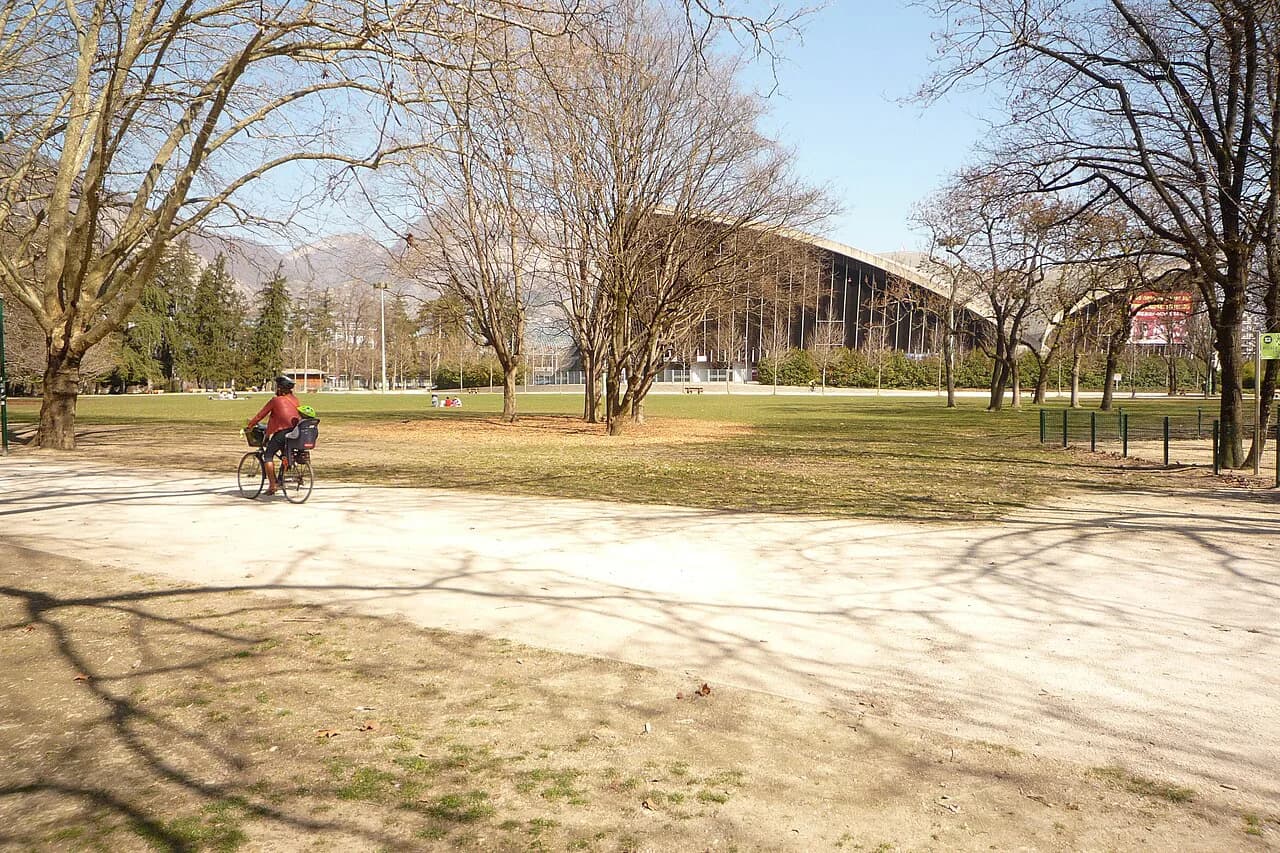
Parc Paul Mistral: Grenoble's Largest Park

Parc Paul Mistral is Grenoble's largest park, a 33-hectare landscape designed in 1925 that holds the Perret Tower, ponds, a small river and a thickly wooded southern end. It is free and open every day of the year, which makes it the simplest filler in a Grenoble weekend: no ticket, no time slot, no queue.
The park sits east of the historic centre, between Boulevard Jean Pain and Boulevard Clémenceau, and the Tram A and C stop at Chavant puts you at its edge. Treat it as a half-day at most, or a picnic stop between the Bastille and the museums rather than a headline sight in its own right.
Where Parc Paul Mistral is and how to reach it
The park lies in the 38000 Grenoble postcode, addressed to Boulevard Jean Pain and Boulevard Clémenceau, just east of the old town across the river. Its western edge is close enough to the centre that you can walk in from the Grenoble streets around the city hall quarter, while the eastern side runs towards the stadium and the speedway.
The simplest approach is by tram: lines A and C both stop at Chavant, which the tourism listing places directly by the park and within a short walk of a bus stop. From the station area or the centre, that puts you at the gates in a few minutes rather than a long cross-city walk. If you are working out how the districts fit together, the area guides cover where this quarter sits in the wider city.
What to see inside the park
The park was laid out in 1925 in a landscape style, and the mature specimen trees and ponds are the reason to come rather than any single monument. A pond and a little river run through the grounds, and the southern, oldest section is covered by a thick wood — this is the quiet half, in contrast to the stadium side to the north.
Three sculptures stand in the park, works by Apostu, Guasagnucci and Rousil, erected for the 1967 symposium. They are scattered rather than grouped, so they reward a loop of the open lawns and paths rather than a quick glance from the entrance.
The Perret Tower and the 1925 exhibition
The Tour Perret is the park's surviving relic of the 1925 Exposition de la Houille Blanche et du Tourisme, the white-coal and tourism exhibition held on this ground. It is the one structure from the fair still standing, and it gives the park its skyline as you cross the lawns.
Seeing the tower from outside takes minutes, and it sits within the park rather than requiring a separate ticket or timed entry. Build it into a walk rather than making a trip for it alone, and pair it with the wooded southern end for a fuller circuit.
Sport, the Stade des Alpes and the park's modern role
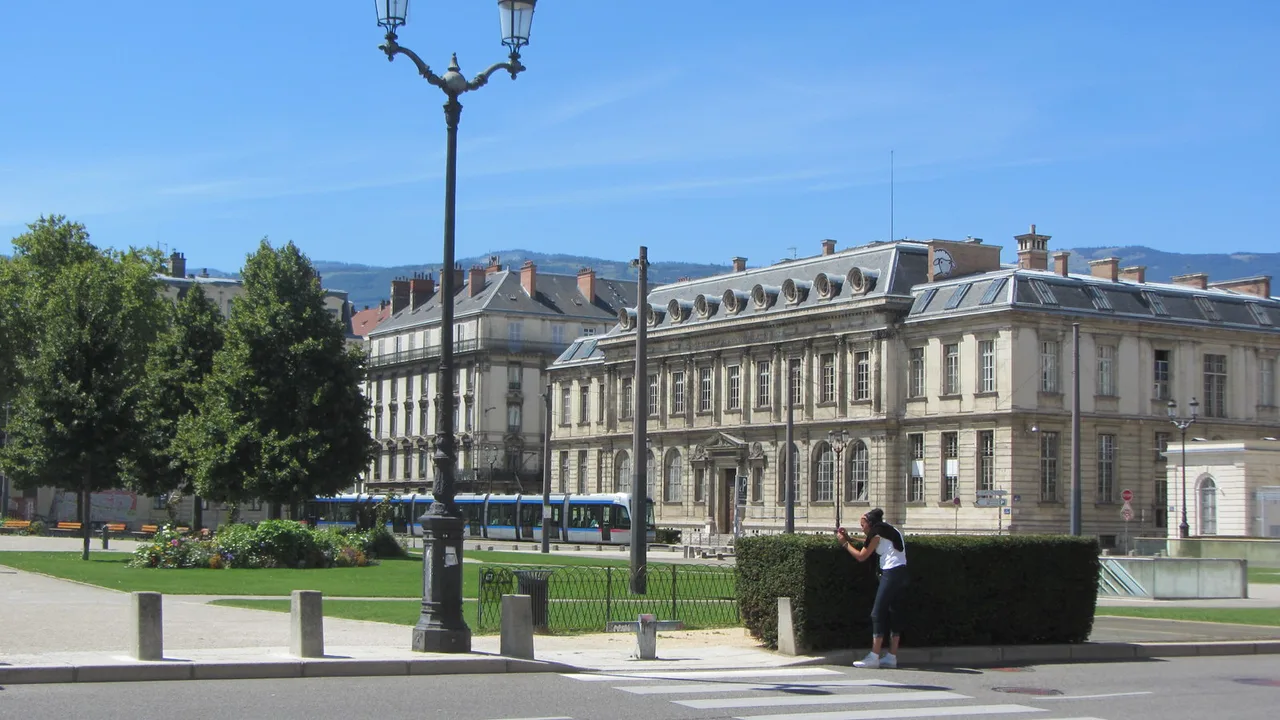
The park's size grew to 33 hectares with the building of the Stade des Alpes in 2010, and the stadium and speedway next door give the northern side a very different feel from the trees and water to the south. Expect open ground, sports facilities and the city hall in this quarter rather than a secluded garden.
For a weekend visitor the practical point is that the park works as breathing space between paid sights, not as an event destination in itself. If you want the fuller picture of what else Grenoble offers, the Grenoble Attractions: 6 Visitor Guides collection shows how the park fits alongside the city's museums and viewpoints.
Facilities, access and the pets policy
There is a playground in the park, which makes it a sensible stop if you are travelling with children and need somewhere to let them run. The grounds also carry the EcoJardin sustainable-development label, reflecting how they are managed.
Access is step-free for self-propelled wheelchairs and possible with assistance, and the site is served by public transport with the tram stop close by. Dogs are refused, so leave them behind and plan a different route if you are walking with a pet.
Entry is free and the park is open every day throughout the year. For any change to access or facilities, check the Grenoble Alpes Tourisme listing before you set out.
How long to allow and where to slot it into a weekend
Allow an hour for a loop of the lawns, the Perret Tower and the pond, or two if you want to reach the wooded southern section and sit for a while. The park is flat and compact enough that you will not need a map to cross it, but the spread of the sculptures and the two distinct halves justify the longer slot.
The natural fit is a morning before a museum visit or an afternoon after the Bastille, when you want open ground without another ticket. Check whether your chosen museum opens that day before building the plan around it, since the city's collections keep their own hours.
Nearby sights worth pairing with the park
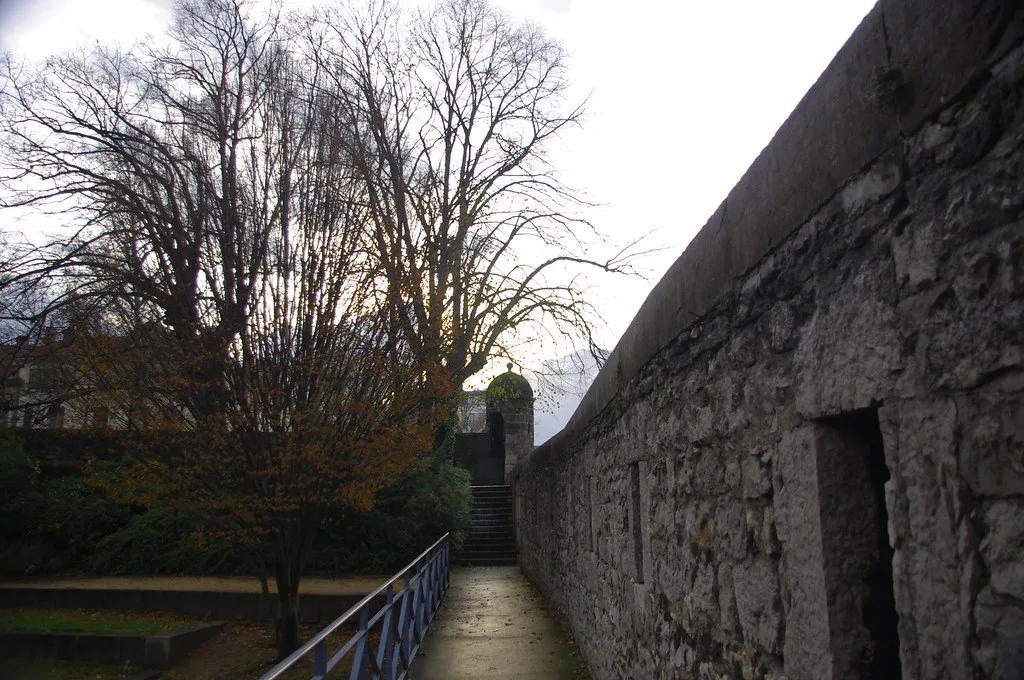
The Fort de la Bastille and its cable car are the obvious pair on the same day, giving you the park's flat ground and then the climb to the fortress viewpoints. The bastille grenoble guide covers what is up there, so you can judge whether to go before or after the park.
Closer in, the Musée de Grenoble and the Cathédrale Notre-Dame de Grenoble sit across the centre, and the Jardin de Ville gives you a second, smaller green space in the old town. None involves a long transfer, so the park fits neatly between them on foot or by tram.
If you want a short list of the rest before you commit your days, the things to do in Grenoble guide sets out the options and the time each needs. Build the park in as the free half-day that keeps the budget in check.
Plan Your Visit
Parc Paul Mistral is a free, open-all-day stop that earns its place on a Grenoble weekend as a breather rather than a destination. Reach it on tram A or C to Chavant, walk the lawns and the Perret Tower, then head south into the wood or north to the stadium side depending on whether you want quiet or activity.
Build it into a day with the Bastille or a museum, allow an hour or two, and leave the dog at home.
Explore more Grenoble guides
Frequently Asked Questions
Is Parc Paul Mistral free to enter?
Yes. Entry costs nothing and the park is open every day throughout the year, so there is no ticket to buy or time slot to book.
How do I get to Parc Paul Mistral in Grenoble?
Take tram line A or C to Chavant, which stops right by the park. The grounds run between Boulevard Jean Pain and Boulevard Clémenceau in the 38000 postcode, within walking distance of the city centre.
What is there to see in Parc Paul Mistral?
The Perret Tower, the sole surviving structure from the 1925 exhibition, plus three sculptures by Apostu, Guasagnucci and Rousil from the 1967 symposium. The park also has ponds, a small river and a wooded southern section.
How long should I spend at Parc Paul Mistral?
An hour covers the main lawns, the tower and the pond. Allow two if you want to reach the wooded southern end and sit for a while.
Can you take dogs into Parc Paul Mistral?
No. Dogs are refused at the park, so plan an alternative route if you are walking with a pet.
Is Parc Paul Mistral accessible for wheelchairs?
Yes. The park is listed as accessible for self-propelled wheelchairs and for wheelchairs with assistance, and the Chavant tram stop is close to the grounds.
Is Parc Paul Mistral worth visiting on a Grenoble weekend?
It works best as a free filler between paid sights, paired with the Bastille or a museum. Come for the greenery, the Perret Tower and the quieter southern wood rather than for a full day out.