
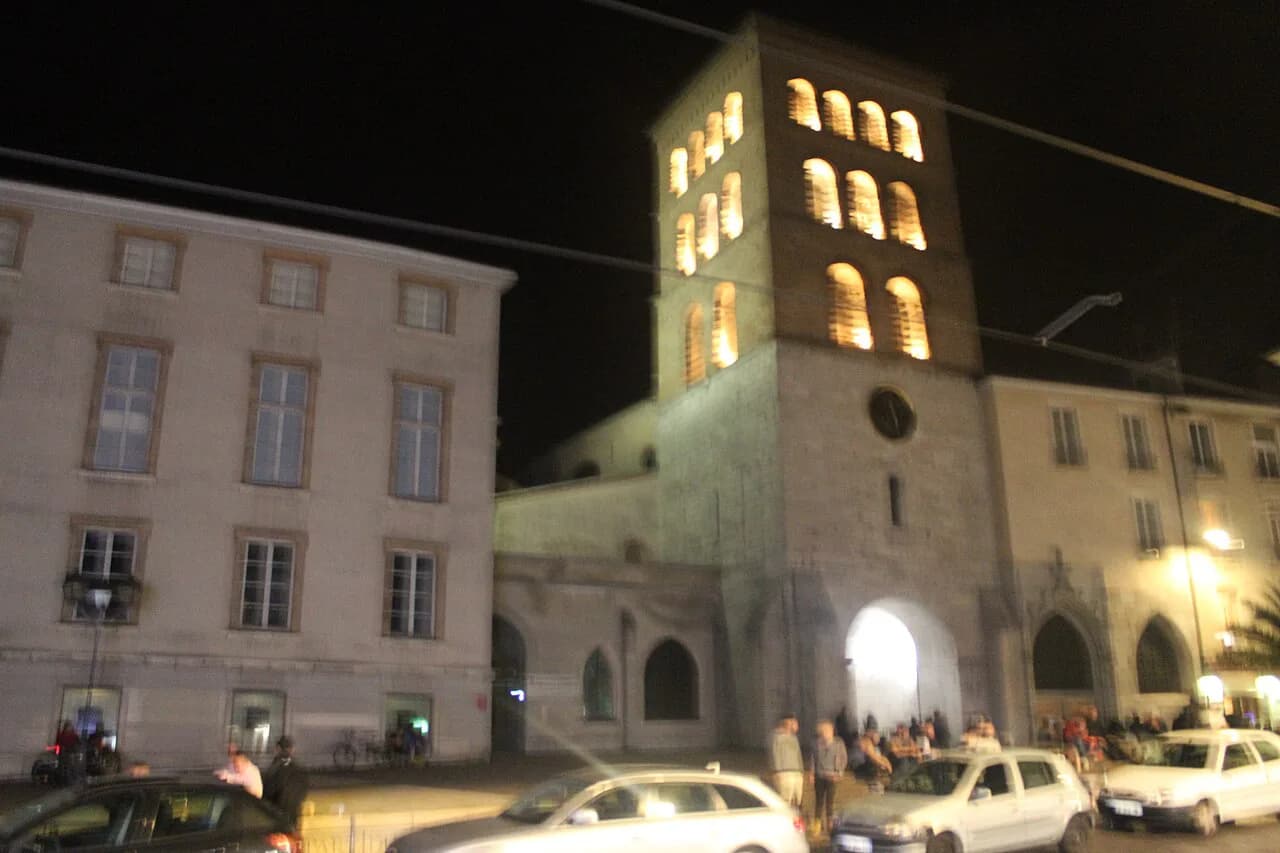
Grenoble Cathedral: What to See at Notre-Dame de Grenoble

Grenoble Cathedral — the Cathédrale Notre-Dame de Grenoble — is a brief, worthwhile pause in the old town rather than a reason to plan a day around it. Budget 20-30 minutes, fold it into a walk through the centre, and put your bigger time investment into the city's museums or the Bastille. It sits within easy reach of the rest of central Grenoble, which makes it a natural waypoint rather than a detour.
What Grenoble Cathedral is and where it sits
The cathedral is dedicated to Notre-Dame, the designation carried on the identification records for the building and its nave. It belongs to the historic centre of Grenoble, the compact core on the Isère where the city's older streets cluster. Nothing in the visitor material sets out a full architectural history, so treat the building as a place to look at rather than a documented monument to read up on in advance.
Think of it as one tile in a small, walkable centre rather than a separate excursion. The old town around it is where you will spend most of a short break on foot, and the cathedral fits naturally between other stops. If you are building a wider plan for the city, the Grenoble Attractions: 6 Visitor Guides collection sets out the headline sights to slot around it.
How to get there and how it fits into a short city break
Central Grenoble is compact enough that the cathedral works as a walking stop between the shopping streets and the river. Plan it into a loop rather than a standalone trip: old-town streets first, cathedral in the middle, then either the museum or the cable car depending on the weather and your energy.
The Téléphérique de Grenoble Bastille leaves from Quai Stéphane Jay and reaches the Fort de la Bastille in three minutes, with tram stops A and B at Hubert Dubedout - Maison du Tourisme nearby. An adult single is 6,60 € and an adult return 9,80 €, with children aged 5 to 15 at 3,70 € single and 5,10 € return. The lift is closed for annual maintenance in January, so a winter weekend needs the walking route up instead.
The trade-off is real: the cable car plus a wander on the fort eats a good half-day, and the same hours spent in the old town around the cathedral are cheaper and less weather-dependent. If you want the mountain view, commit to it early in the day. Otherwise keep the cathedral as the anchor of a low-key centre walk.
The building itself: what to look for on the exterior and in the nave
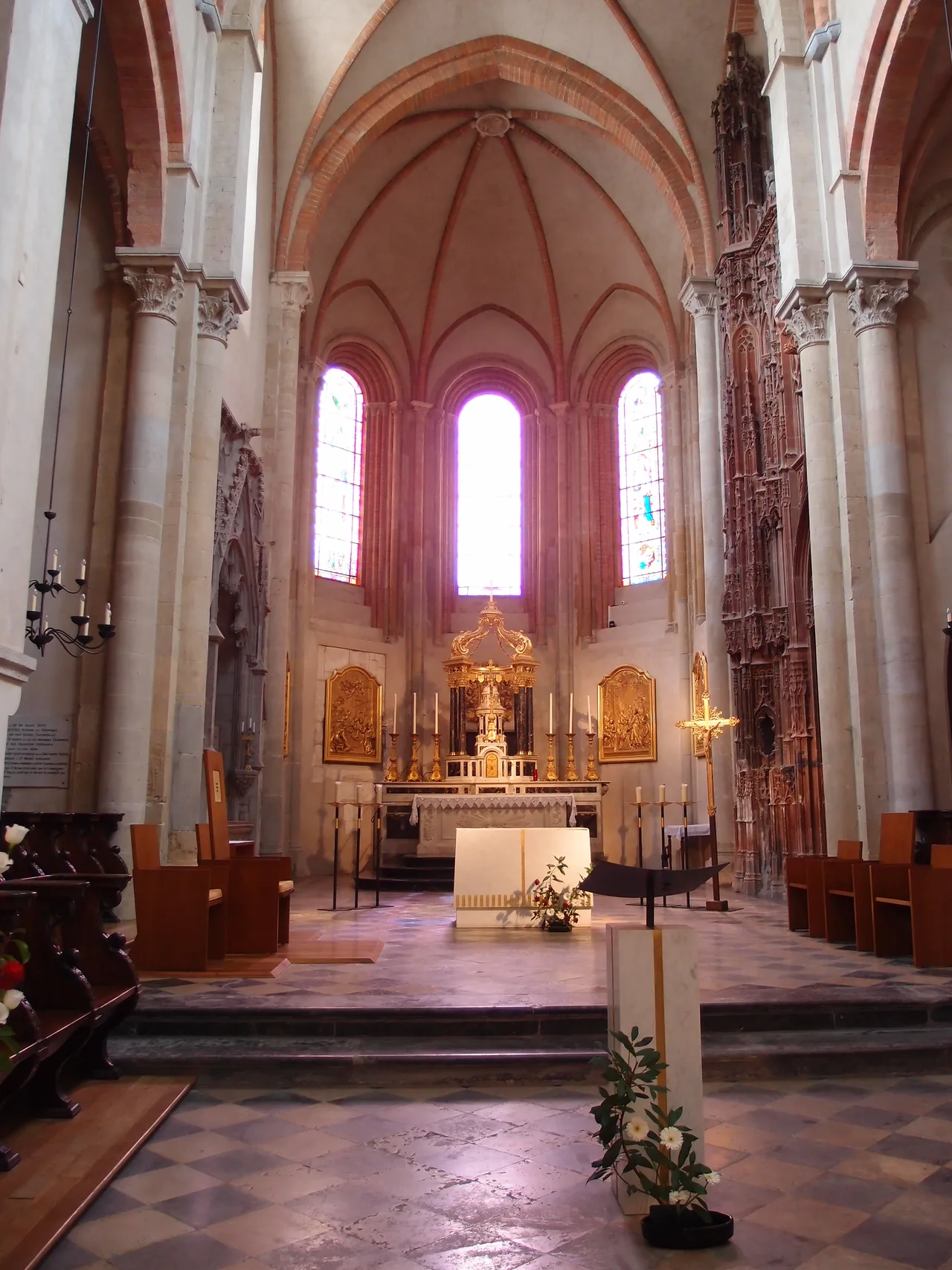
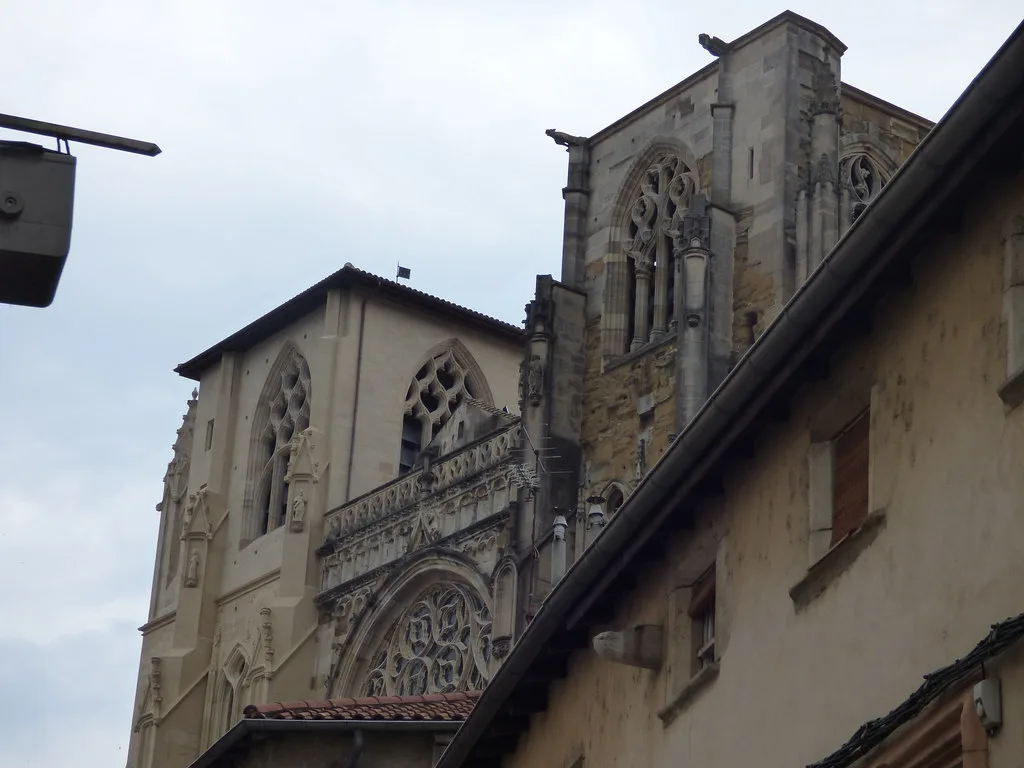
Approach from the street and take the exterior in first: the facade and the surrounding old-town frontage are the part you can appreciate without any prior reading. Inside, the nave is the obvious focal point, and the record of the interior gives a sense of its proportions before you arrive. Keep your expectations calibrated — this is a parish-scale cathedral, not a Notre-Dame de Paris.
Because no sourced account of the furnishings, stained glass or artworks is available, resist the urge to hunt for specific treasures you have read about elsewhere. Look at what is actually there: the light, the stone, the scale of the space and the quiet. A short, attentive visit beats a checklist you cannot tick off with any confidence; keep one small reminder to check current opening times with Grenoble Alpes Tourisme before you set out.
How much time to allow and when to slot it into your day
Twenty to thirty minutes is the honest budget. That covers the exterior, a slow walk down the nave and a few minutes sitting still, without stretching the visit into something it is not. Add ten minutes if you want to circle the surrounding streets, which are part of the appeal.
Morning suits the cathedral best: light through the windows, quieter streets, and time afterwards for a market or a museum before lunch. Pair it with the Musée de Grenoble later in the day, where access to the 900 works in the permanent collections is free for everyone. That combination gives you a full, inexpensive half-day with a change of pace in the middle.
If you only have one full day, do the cathedral and the old town in the morning, then choose between the museum and the Bastille for the afternoon. Doing both properly in one day is a squeeze and leaves no room for lunch. For the fort itself, the Bastille Grenoble guide covers what is up there. If you enjoy comparing small cathedrals, the Antibes Cathedral guide makes a useful contrast for a Riviera stop.
Opening hours, entry and practical visiting details
Visitor opening times, service schedules and any entry arrangements for the cathedral are best confirmed with the parish or the tourist office before you travel, since they change with the liturgical calendar. The tourist office sits at 14, rue de la République in central Grenoble, a short walk from the old town, and can confirm access on the day.
Dress and behaviour follow the usual norms for an active place of worship: quiet voices, no flash during services, and stepping aside if a mass is starting. If you arrive during a service, wait or come back rather than walking the aisles. It is a working church first and a sight second.
Nearby sights to pair with a cathedral visit
The Jardin de Ville is the closest green breathing space to the old town and a sensible place to sit after the cathedral. It also puts you near the cable car base, so you can decide on the spot whether to go up. Keep it as a flexible option rather than a fixed slot.
For a contrasting half-day, the Fort de la Bastille was built between 1824 and 1848 and gives views over the Belledonne, Vercors and Chartreuse ranges. Group visits run about 60 minutes and are quoted from 115,00 € for a group, which only makes sense if you are travelling with others. Solo travellers should simply ride up and walk the site independently.
The Grenoble Bastille Cable Car page covers the ride, the views and how to time it around the weather. If you are weighing the cathedral against a longer old-town wander, remember that the church is a 20-minute stop and the streets around it are free to explore at length. The lift is the bigger commitment of the two.
Plan Your Visit
Grenoble Cathedral earns a place on a short city break as a quiet 20-30 minute stop, not as the centrepiece. Build a morning around it: old-town streets, the nave, then a coffee or the Jardin de Ville, and use the afternoon for the free museum or the cable car. That structure keeps your day honest and your budget intact.
Explore more Grenoble guides
Frequently Asked Questions
Is Grenoble Cathedral worth visiting?
Yes, as a short stop rather than a headline sight. Allow 20-30 minutes for the exterior and nave, and treat it as part of a walk through the old town. If your time is very tight, the free museum or the Bastille cable car will fill a half-day more substantially.
How long do you need at Grenoble Cathedral?
Twenty to thirty minutes is realistic. That covers the facade, a slow walk down the nave and a few minutes of quiet, with a little extra if you want to circle the surrounding streets. There is no documented collection of artworks to work through, so the visit stays short.
Where is Grenoble Cathedral in the city?
It stands in the historic centre of Grenoble, within the compact old-town streets on the Isère. It is a walkable stop between the shopping streets and the river, which makes it easy to combine with other central sights on foot.
What is the cathedral in Grenoble called?
It is the Cathédrale Notre-Dame de Grenoble, dedicated to Notre-Dame. You will see it named that way on identification records for the building and its nave.
Do you pay to enter Grenoble Cathedral?
Entry arrangements are best confirmed with the parish or the tourist office in central Grenoble before you go, since they follow the liturgical calendar. The Musée de Grenoble's permanent collections, by contrast, are documented as free for everyone if you want a guaranteed no-cost stop.
What else can I see near Grenoble Cathedral?
The Jardin de Ville is the nearest green space, and the cable car base at Quai Stéphane Jay is a short walk away for the ride up to the Fort de la Bastille. The Musée de Grenoble is a manageable walk or tram ride and makes a natural second stop.