
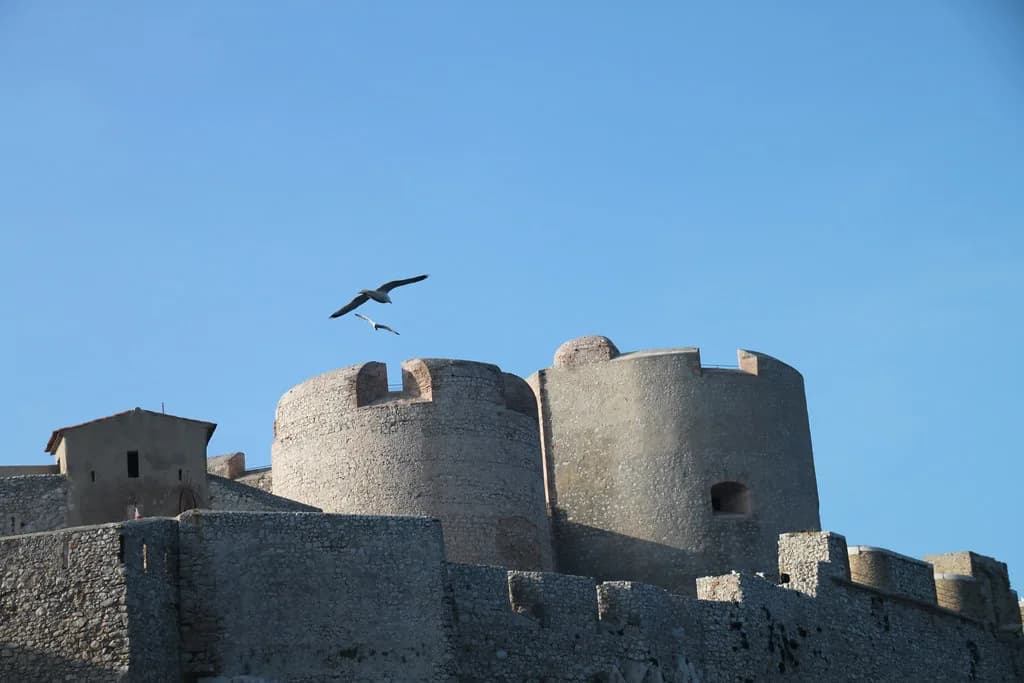
Château d'If: Marseille's Island Fortress and Prison
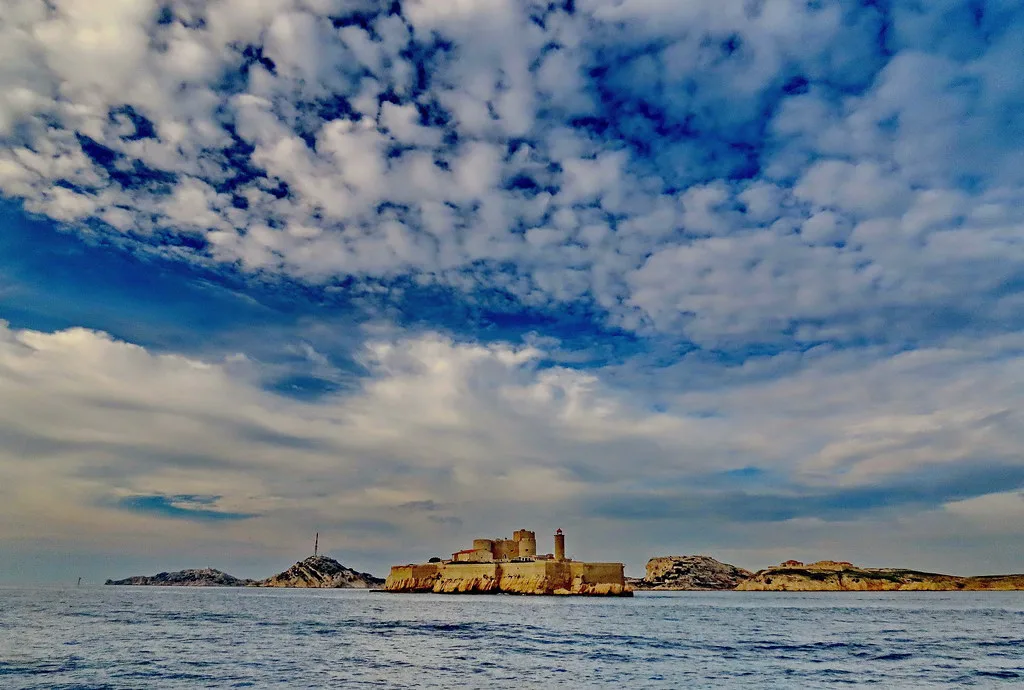
The Château d'If is a stone fortress on the smallest island of the Frioul archipelago, a short boat ride out from Marseille's Vieux-Port. Built from 1529 under Francis I as a coastal defence, it later served as a state prison and now sits inside the Calanques National Park. Most visitors come for the cells, the sea views back to the city and the Count of Monte Cristo association.
Plan it as a half-day outing rather than a quick stop: the day is shaped by the boat, not by the size of the island. Buy the crossing at the ticket office, expect to pay a crossing fare plus a separate island entrance charge, and leave the suitcase at your accommodation.
What the Château d'If Is
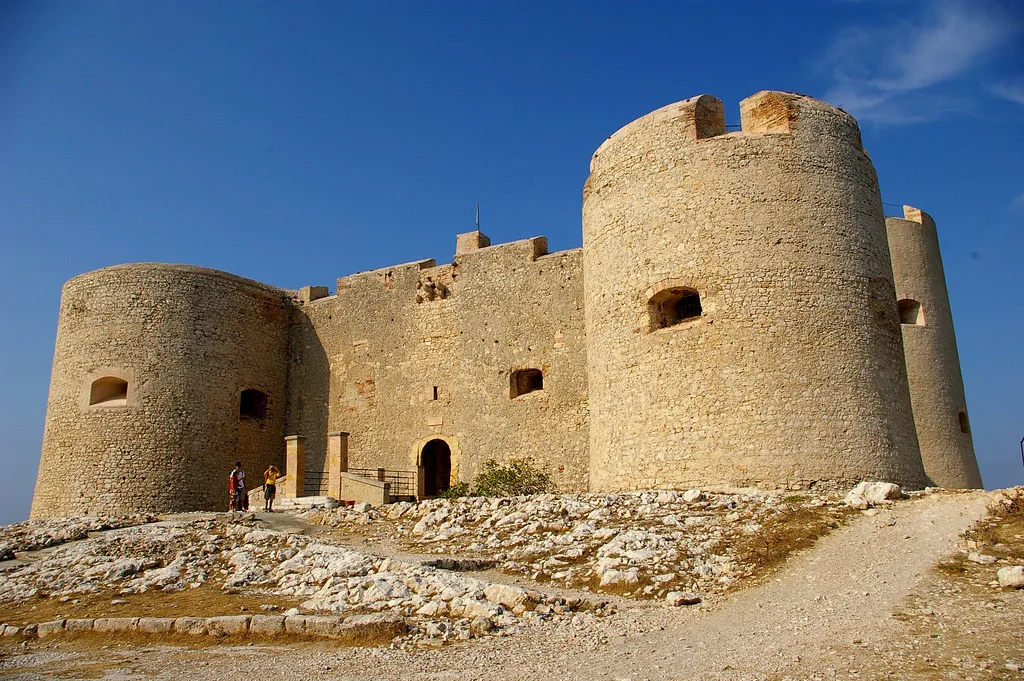
The fortress occupies the whole of the small island, with thick ramparts, courtyards and a central keep rising straight from the rock. Construction began in 1529 as a royal defensive work guarding the approach to Marseille, and the island is now part of the Calanques National Park. Its later life as a prison is what fixed it in the popular imagination.
Inside, the visit is as much about the building as the displays: ramparts you can walk, a lighthouse above, and cells that held political and criminal prisoners over centuries. Roughly 400 years of graffiti carved by prisoners, guards and soldiers survive on the walls, which is the detail most visitors remember. Allow time to read the panels rather than treating the interior as a photo stop.
The Count of Monte Cristo is the reason many people know the name: Alexandre Dumas set the imprisonment and escape of Edmond Dantès here. Treat that as context rather than expectation, because the real island is a working historic monument with a ticket gate, not a themed attraction. The novel gives the place its atmosphere; the fortress gives it its substance.
Where It Is and How to Get There
The island lies offshore from Marseille, within sight of the city, and the only practical way over is by boat with the Compagnies Maritimes Calanques et Château d'If. Crossings leave from 1, la Canebière, a few minutes' walk from the Vieux-Port, and the company's booking desk there opens daily from 9am to 5pm. Check the timetable for your date before building a day around it.
Same-day tickets for the fortress are bought at the ticket office on the corner of quai du Port and quai des Belges, on the harbour side of the Vieux-Port. Getting there is simple: walk down to the water from the metro at Vieux-Port and look for the kiosk at the quay corner. Arriving early gives you the best choice of departures, since the day's sailings set your schedule.
Booking rules differ by trip. Calanques boat tours can be reserved from the day before, while If Castle tickets are sold at the ticket office on the day of travel, and neither the Calanques & Swimming tour nor the If Castle tour is sold online. That means you cannot lock in a fortress visit from home; you turn up and buy.
Tickets: Crossing Fare Plus Island Entrance
The Château d'If is not one price. The Compagnies Maritimes Calanques et Château d'If rates page lists an If Castle fare per person plus a separate island entrance charge of €7, so budget for both when you pay at the counter. These figures come from an earlier rates page and should be treated as a guide, not the price you will be charged today.
Children under four travel free but still need a ticket, and boarding is refused without one, so request it at the counter even for a baby. Buy at the ticket office rather than trying to sort it on the quay, because the fortress tour is not available online. The Compagnies Maritimes desk on la Canebière is the place to confirm the current fare, the island charge and what each ticket covers for your dates.
The same counter sells the Calanques boat circuits, which are priced separately, so decide before you queue whether you want the island fortress, a Calanques cruise or both on different days. Fares for the Calanques routes vary by itinerary and by passenger category, with reduced rates for students, disabled visitors and teenagers, and a family pack for two adults and two children.
How Long to Allow
Give the Château d'If half a day. The crossing eats into both ends, the fortress interior rewards a slow lap of the ramparts and cells, and the island itself is small enough that there is nothing else to fill the time once you have finished. A rushed visit means queueing for a return sailing you could have avoided.
The Compagnies Maritimes Calanques et Château d'If has not published crossing times or frequency in the material available, so the timetable is the one fact to pin down before you go. Ask at the ticket office on la Canebière or check the booking page when you arrive in Marseille, then build the rest of the day around the return sailing you are given.
Keep the rest of the day light. Pairing the island with a walk around the Vieux-Port or a museum near the harbour works because both are close to the departure point, but do not book a timed entry elsewhere for the same afternoon. Weather can disrupt sailings, and a tight schedule turns a cancelled crossing into a wasted day.
What to See Inside the Fortress
Start with the ramparts and the views: from the walls you look back at Marseille's waterfront and across to the other Frioul islands. The walk around the top is short but exposed, so on a windy day do it first while you are fresh. The lighthouse above the fortress is the highest point and the best place for a photograph of the city.
Then go down into the prison, where the cells, corridors and courtyards tell the story of the island's second life. The carved graffiti is the highlight: names, dates and symbols scratched into stone by people held here over four centuries. Look closely at door frames and window recesses, where the marks are densest.
The fortress is a historic monument rather than a modern museum, so set expectations for uneven surfaces, stairs and open courtyards rather than polished galleries. Wear shoes that cope with stone steps and take water if the day is warm, since shade inside the walls is limited.
Boarding Rules That Catch People Out
Luggage is not allowed on board, including suitcases and large backpacks, so this is not a trip to attempt on your way to or from the airport or station. Leave bags at your accommodation and travel light with a small day bag. The same applies to anyone planning to move between cities on the same day.
Passengers who are seven to nine months pregnant are not carried on board, and wheelchair users are allowed on certain boats only, so contact the Compagnies Maritimes before buying to check which departures can take a wheelchair. These are operating rules set by the boat company, not preferences, and they apply whatever ticket you hold.
Rough seas can cancel sailings, which the Compagnies Maritimes flags on its booking pages, so keep the island visit flexible within your weekend rather than slotting it into the last morning before a train. If the sea is up on your chosen day, swap it with another day and keep the short walk to the ticket office as your check.
Nearby: the Frioul Islands and the Vieux-Port
The Château d'If sits among the Frioul islands, and boats from the same harbour serve the wider archipelago, so a reader who wants a day on the water has options beyond the fortress. The island itself has no village or beach to linger on, which is why the fortress is the reason to make the crossing.
Back on shore, the Vieux-Port is the natural base: the ticket office sits at its edge, boats leave from the quays, and the harbour is ringed by places to eat and walk. If you want a view over the whole city after the island, the climb to Notre-Dame de la Garde is the classic counterpoint to looking back from the fortress walls.
For a Marseille weekend, the Château d'If works best as one half-day anchor, with the harbour and the museums around it filling the rest. The city's sights are spread across districts, so check a broader plan before committing your days: the Marseille Attractions: 6 Visitor Guides give you the shape of the city beyond the island.
Who Should Skip It
Skip the Château d'If if you want a day of swimming and calanques scenery, because the island trip is a fortress visit, not a coastal cruise. The Calanques boat circuits cover the inlets and cliffs and are a different purchase at the same ticket office. Choose one for a short break rather than trying to squeeze both into a single day.
Also skip it if anyone in your group uses a wheelchair without checking boats first, if you are travelling with a suitcase, or if you are seven to nine months pregnant, since the Compagnies Maritimes boarding rules may rule out the crossing. And if your only free slot is the morning of your return train, the sea is the wrong variable to gamble on.
If the fortress is the point of the trip, the trade-off is time: half a day on the water and in the cells instead of a museum or a long lunch in the city. The Palais Longchamp, with its water tower and park, is the sort of inland half-day that balances an island morning if you have a full weekend.
Before You Go
Confirm the current sailing times, fares and island entrance charge with the Compagnies Maritimes et Château d'If before you set out, because published rates can date from an earlier season and schedules change through the year. The ticket office on la Canebière is open daily from 9am to 5pm, which is also the place to ask about wheelchair-accessible departures.
Pack for a stone fortress on open water: flat shoes, a small bag, water and a layer for wind on the crossing. Bring the under-four's ticket even though the child travels free, and leave the suitcase behind. Those three points cover most of the reasons a visit goes wrong.
Plan Your Visit
The Château d'If rewards a morning or afternoon spent slowly: buy the crossing and island entrance at the quay, walk the ramparts for the view back to Marseille, then read the prisoner graffiti in the cells below. It is a half-day, not a full one, and it is dictated by the boat timetable rather than by the size of the island.
Build the rest of your Marseille weekend around the Vieux-Port and the districts beyond it, and keep the island day flexible so weather cannot wreck your plans. Check the Compagnies Maritimes timetable and prices when you arrive, then commit.
Explore more Marseille guides
Frequently Asked Questions
Is the Château d'If real?
Yes. It is a genuine 16th-century fortress on the smallest island of the Frioul archipelago, begun in 1529 under Francis I and later used as a prison. It now sits within the Calanques National Park and is open to visitors arriving by boat from Marseille.
How do you get to the Château d'If from Marseille?
By boat with the Compagnies Maritimes Calanques et Château d'If, which sells crossings from its desk at 1, la Canebière near the Vieux-Port. The same-day ticket office for the fortress is at the corner of quai du Port and quai des Belges. Check the timetable for your date before you go.
How much is the boat to the Château d'If?
The crossing is priced separately from the island entrance charge, and the published rate card lists each element individually. Those figures date from an earlier season, so ask at the ticket office for the current fare and what it includes.
Do you have to pay to enter the island?
Yes. A separate island entrance charge applies on top of the boat fare, so budget for both when you buy. The desk at 1, la Canebière can explain how the two charges are applied to your ticket.
How long do you need at the Château d'If?
Allow half a day. The crossing takes time at both ends, and the fortress interior with its ramparts, cells and graffiti rewards a slow lap. Build the rest of the day loosely so a delayed or cancelled sailing does not cost you a booked museum slot.
Can you buy Château d'If tickets online?
No. The fortress tour and the Calanques & Swimming tour are sold at the ticket office rather than online, while the Calanques boat circuits can be booked from the day before. Plan to buy in person on the day of travel.
What can you see inside the Château d'If?
The ramparts and the view back to Marseille, the lighthouse above, the courtyards, and the prison cells. The carved graffiti left by prisoners, guards and soldiers over roughly 400 years is the detail most visitors remember.
What is the Château d'If famous for?
It is best known as the setting for the imprisonment of Edmond Dantès in Alexandre Dumas's The Count of Monte Cristo. The real island is a historic fortress and former state prison, not a themed attraction, so the novel is context rather than the whole visit.