
Musée de la Cour d'Or, Metz: What to See and How Long It Takes

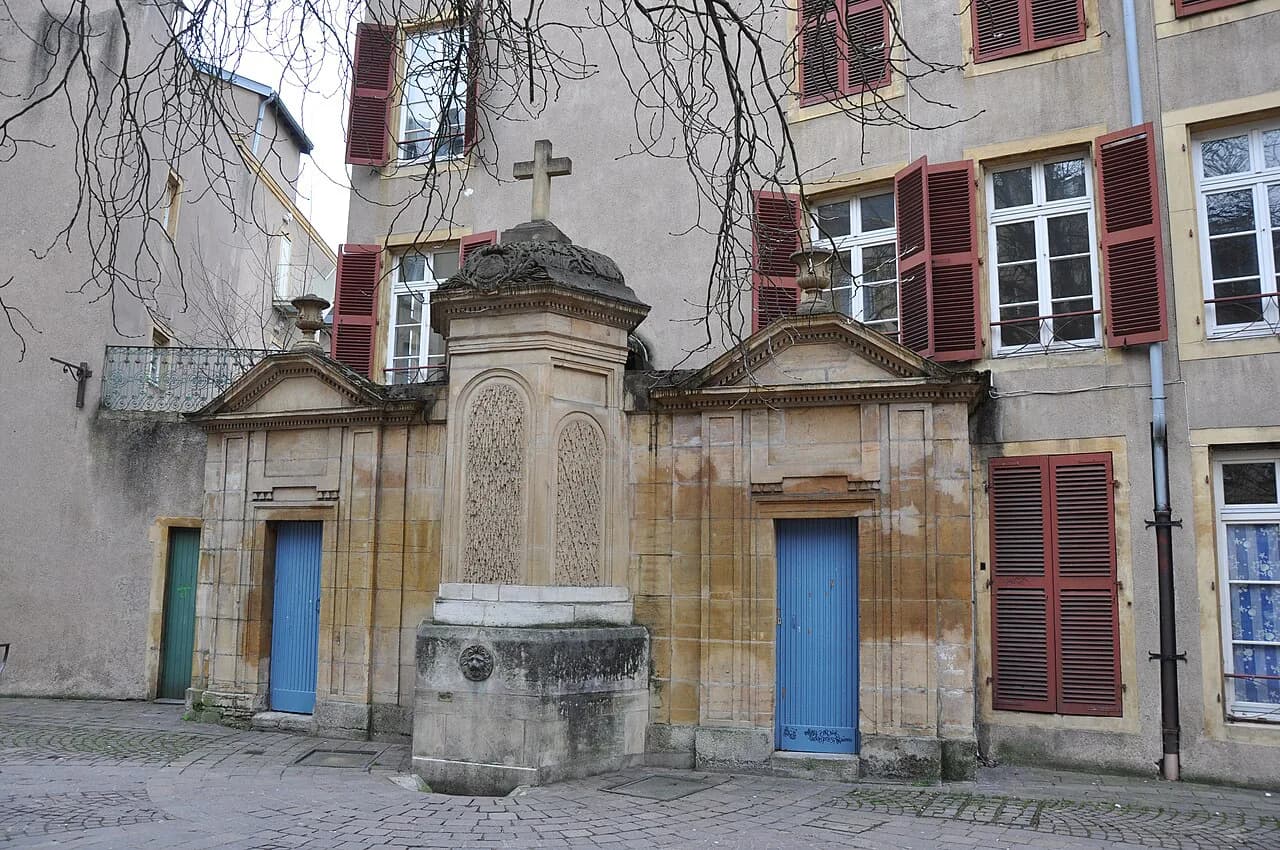
The Musée de la Cour d'Or is Metz's main history and fine-art museum, housed at 2 rue du Haut Poirier in the middle of the city centre. It suits anyone who wants the Roman and medieval story of Metz under one roof before walking the streets that produced it.
Plan around one fixed point: the museum opens every day except Tuesday, in two daily stretches split by a lunchtime break. That makes Tuesday the day to give to another sight, and it makes the middle of the day a natural pause rather than a museum hour.
What kind of museum it is
This is a museum of the city and its region rather than a national gallery. Its strength is the archaeological material from ancient Metz, backed by a Beaux-Arts collection of painting, sculpture and stained glass.
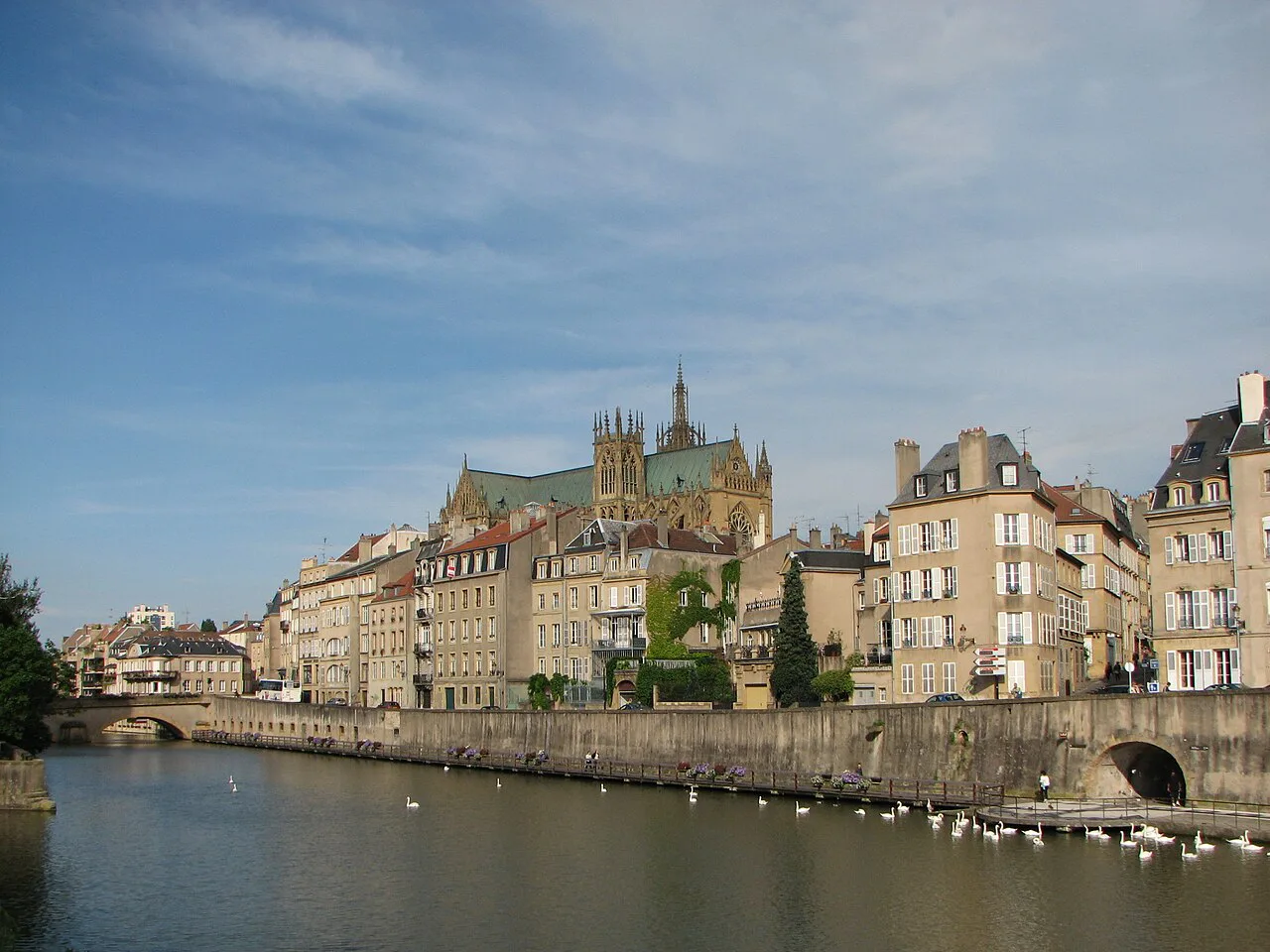
The building sits in the historic core, which means you can combine it with the cathedral and the older streets without needing transport. If you are building a short break around the city's museums, the wider set of Metz Attractions: 6 Visitor Guides shows how the pieces fit together.
Where it is: 2 rue du Haut Poirier
The address is 2 rue du Haut Poirier, 57000 Metz. Treat the street name, not a metro stop, as your anchor: the museum is in the centre, within walking distance of the main historic sights.
Because it sits centrally, the museum works well as a fixed point in the middle of a walking day rather than a separate excursion. Arrive on foot, do the collections, and carry on through the old town.
How to get there and on foot
On foot is the sensible approach: from the central squares and the cathedral area the museum is a short walk, and the surrounding streets are part of the appeal. Allow a little slack for the one-way streets and pedestrian zones rather than expecting a straight line.
If you are coming from further out, use the city's public transport to reach the centre and finish on foot. The walk from the cathedral area takes minutes, so pairing the two in one morning is realistic.
Opening hours and closed days
The museum opens every day except Tuesday, from 10h to 12h45 and again from 14h to 18h. That two-part day is the single most useful fact for planning: a late-morning start gives you under three hours before the doors shut for lunch.
Treat the Tuesday closure as the main planning trap for a weekend. If Tuesday is your only full day in Metz, put the museum on the Saturday or Sunday instead and give Tuesday to the covered market or a walk along the river.
The Gallo-Roman collections
The Gallo-Roman circuit runs through about a dozen ground-floor rooms, all on one level. Funeral stelae, sculpture and mosaics carry the story of daily life in the Roman city, including its trades and its beliefs.
Because this section is step-free and spread across flat rooms, it is the easiest part of the museum to do when energy is limited. Read the mosaics closely: they are the detail that makes the Roman city feel like a place people lived in.
The Roman baths in the lower level
Beneath the main floors, the remains of the Roman baths give the museum its second centre of gravity. The museum has published updates on work to the ancient thermal complex, so ask at the desk which parts of the lower level are open on the day you visit.
Budget real time here rather than treating it as a corridor. The baths are the reason the museum's archaeology reads as a site and not just a display case, and they reward a slower pass.

The Beaux-Arts collections
The fine-art floors cover the 16th to 19th centuries, with paintings, sculpture and stained glass across the main European currents. Corot, Delacroix and Moreau are among the artists represented, alongside portraits, landscapes and historical scenes.
These galleries are the part that takes more physical effort to reach: a lift and lifting platforms connect the floors. If stairs are a problem, head for the lift first rather than starting the archaeology, so you arrive at the paintings with energy in hand.
Choose between the two halves if time is tight. The archaeology is unique to Metz; the Beaux-Arts floor is a pleasant, well-scaled collection that a visitor with limited hours can reasonably leave for another trip.
Later rooms and the Renaissance room
Beyond the Roman material, the museum's own news page records the opening of a new Renaissance room, which extends the story past antiquity into the city's early modern period. Check the current floor plan at the entrance so you do not walk past it on the way out.
The layout of a museum that has grown room by room rewards a quick look at the plan near reception. It is the difference between a linear visit and one that keeps doubling back.
The Pavillon de la Biodiversité
The Pavillon de la Biodiversité adds natural-history material to the mix and the museum lists it as open. Pairs of visitors with children often find this the change of pace that keeps a museum morning workable.
Treat the natural-history rooms as optional for a short break. If your interest is Roman Metz and the paintings, the pavilion is the part to drop when time runs short.
How much time to allow
For the Gallo-Roman rooms and the baths alone, two hours is a fair allowance, and that fits neatly into the 10h to 12h45 window. Adding the Beaux-Arts floor and the Renaissance room pushes a thorough visit into a full afternoon session from 14h.
The practical trade-off is between depth and breadth. Most weekenders get more from the archaeology done properly than from racing the whole building before the lunchtime closure.
Accessibility inside the museum
The Gallo-Roman and Beaux-Arts routes are accessible to visitors with reduced mobility, and staff assist during the visit. The Beaux-Arts galleries are reached by lift, with lifting platforms serving the exhibition spaces.
Two adapted tours are kept deliberately low-effort: one runs across a dozen flat ground-floor rooms, and the sensory tour of Gallo-Roman food involves restricted movement and benches for the handling parts. Both are on one level.
Adapted guided visits: group size, duration and booking
Adapted guided visits for visitors with reduced mobility are booked at least three weeks ahead, and the museum asks groups to be 5 to 10 people preferably, with 15 including companions as the ceiling. The guided tour costs 3 euros per person.
Allow at least 45 minutes, with duration adjusted to how tiring the group finds the visit. Requests go through the museum's online form, and the public-service team answers questions by email if you need to clarify the format first.
General admission is priced separately from these guided tours; the museum's practical-information pages are the place to confirm the current entry rate before you budget the day.
Nearby sights to pair with the museum
The cathedral is the obvious companion in the same part of town, and a morning there followed by an afternoon in the museum makes a coherent day. The Cathédrale Saint-Étienne de Metz is a short walk away.
For a different register, the Centre Pompidou-Metz sits away from the historic core and needs its own slot; it is not a ten-minute add-on to a museum morning. Keep the two on separate days if you want both, much as our Nancy city guide spreads its own museums across a weekend.
Two medieval landmarks round out the centre without extra travel: the Porte des Allemands and the church of Saint-Pierre-aux-Nonnains are both within the historic city and pair naturally with a museum visit.
Practical points to settle before you go
Decide before you arrive whether you are doing the archaeology or the whole building, and check the museum's site for the current admission rate. If you need an adapted guided visit, the three-week booking lead time means that is a decision for before you travel, not for the morning of.
Build the day around the lunchtime closure rather than against it: pair the museum with the covered market or a walk for the middle of the day, then return for the Beaux-Arts floor at 14h. That structure turns the split timetable into an advantage.
Plan Your Visit
The Musée de la Cour d'Or earns its place on a Metz short break because the Roman city, its baths and its mosaics are here in one central building. Give it Tuesday-free time, decide up front between archaeology and fine art, and the visit fits neatly into a city day.
If you need step-free access or an adapted guided tour, sort the logistics before you leave home, and confirm the current entry price and any temporary exhibition details when you arrive.
Explore more Metz guides
Frequently Asked Questions
Is the Musée de la Cour d'Or in Metz open on Mondays?
Yes. The museum opens every day except Tuesday, in two stretches: 10h to 12h45 and 14h to 18h. Monday is therefore a museum day, but plan around the lunchtime closure rather than expecting to stay through midday. Check the museum's own site for any change before you travel.
How long does a visit to the Musée de la Cour d'Or take?
Allow around two hours for the Gallo-Roman rooms and the Roman baths, which fits the morning stretch. Adding the Beaux-Arts galleries and the Renaissance room turns it into a longer visit that runs into the afternoon session. If your time is short, the archaeology is the part unique to Metz.
What can you see at the Musée de la Cour d'Or?
The museum holds Gallo-Roman material from ancient Metz across about a dozen ground-floor rooms, including funeral stelae, sculpture and mosaics, plus the remains of Roman baths on the lower level. The Beaux-Arts floors show painting, sculpture and stained glass from the 16th to 19th centuries, with works by Corot, Delacroix and Moreau among them. A Renaissance room and a biodiversity pavilion extend the collections further.
Is the Musée de la Cour d'Or accessible for wheelchair users?
The Gallo-Roman and Beaux-Arts routes are accessible to visitors with reduced mobility, and staff assist during the visit. The Beaux-Arts galleries are reached by lift, with lifting platforms serving the exhibition spaces. The Gallo-Roman circuit runs across flat ground-floor rooms, which makes it the simpler half to cover.
How do you book an adapted guided visit at the Musée de la Cour d'Or?
Request the visit through the museum's online form at least three weeks before the date you want. Groups are preferably 5 to 10 people including companions, with 15 as the maximum; the tour fee per person is listed on the museum's adapted-visits page. Allow at least 45 minutes, adjusted to how tiring the group finds it.
Where is the Musée de la Cour d'Or in Metz?
The museum is at 2 rue du Haut Poirier, 57000 Metz, in the historic centre within walking distance of the cathedral and the old streets. Arriving on foot is the simplest approach, and the central position lets you slot the museum into the middle of a walking day. Confirm the entrance and current access details on the museum's site.